
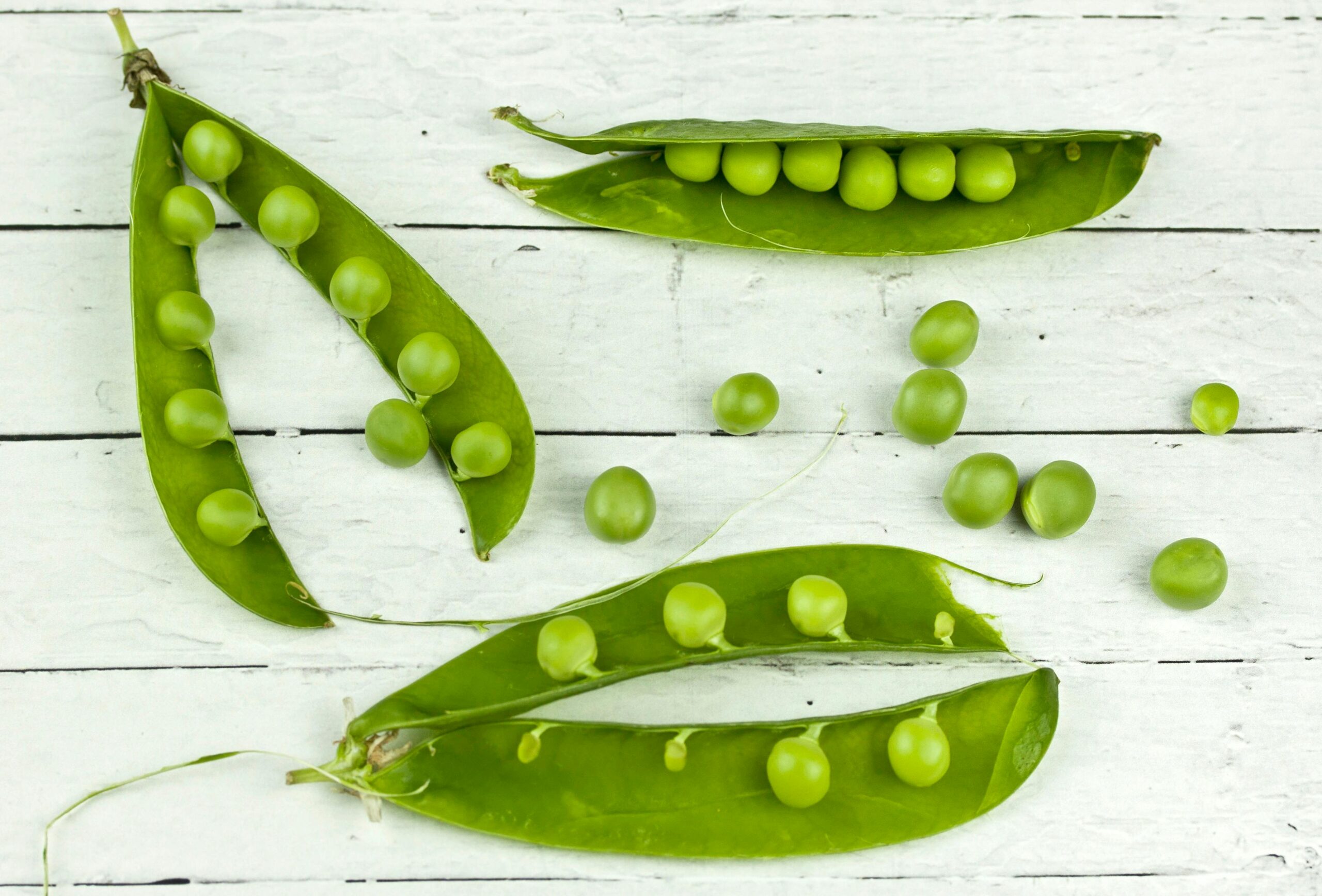
Everything You Need to Know About Peas Nutrition
Peas are a versatile and nutrient-dense legume that has been cultivated for thousands of years. Whether you enjoy them fresh, frozen, or dried, peas offer an impressive nutritional profile that makes them a valuable addition to any balanced diet. Understanding what peas contain and how they support overall wellness can help you make informed choices about incorporating them into your meals.
The Nutritional Powerhouse Inside Peas
Peas pack a remarkable amount of essential nutrients into a small package. A cup of cooked peas contains approximately 134 calories and provides significant quantities of vitamins, minerals, and macronutrients that your body needs for optimal function.
Protein Content
One of the standout features of peas is their protein content. A single cup of cooked peas delivers roughly 9 grams of plant-based protein, making them an excellent choice for individuals seeking protein sources beyond meat and dairy. This protein contribution helps support muscle maintenance and repair, particularly important for those following vegetarian or plant-based eating patterns.
Fiber for Digestive Health
Dietary fiber is another major component of peas, with cooked peas providing around 7 grams per cup. This soluble and insoluble fiber combination supports digestive function and promotes overall gastrointestinal wellness. The fiber content in peas helps maintain regular digestion and supports healthy cholesterol levels already within normal ranges.
Vitamins and Minerals
Peas contain an array of essential micronutrients that contribute to various bodily functions. They are particularly rich in vitamin K, which plays an important role in bone health and blood clotting. Additionally, peas provide vitamin C for immune function, folate for cell division and DNA synthesis, and manganese for metabolism and bone development. The mineral profile includes iron for oxygen transport, phosphorus for bone structure, and potassium for heart function and blood pressure regulation. These micronutrients work together to support your body's numerous physiological processes.
Why Peas Are Beneficial for Your Diet
Supporting Overall Wellness
The combination of protein, fiber, and micronutrients in peas makes them supportive of general wellness goals. Peas contain polyphenols and other compounds that act as antioxidants, helping protect cells from oxidative stress. This antioxidant activity contributes to the overall nutritional value peas bring to your diet.
Blood Sugar Management Support
Peas have a relatively low glycemic index, meaning they do not cause rapid spikes in blood sugar levels. The fiber and protein content work together to slow digestion and provide sustained energy release. This characteristic makes peas a suitable choice for individuals focused on maintaining stable blood sugar levels through dietary choices.
Weight Management Considerations
The combination of protein and fiber in peas creates a satisfying food that promotes feelings of fullness. These nutrients work synergistically to reduce overall calorie intake by decreasing hunger between meals. Including peas as part of a balanced diet may support weight management goals through their satiating properties.
Cholesterol Level Support
Research indicates that the fiber and plant compounds in peas may help maintain cholesterol levels already within healthy ranges. The soluble fiber in peas can help support cardiovascular wellness as part of an overall healthy lifestyle and diet.
Talk to a Doctor
Get Answers to Your Health Questions
Connect with health professionals — anytime, from anywhere.
Talk to a Doctor
Get Answers to Your Health Questions
Connect with health professionals — anytime, from anywhere.
Different Forms of Peas and Their Nutritional Value
Fresh Peas
Fresh peas, typically available during spring and early summer, offer peak nutritional value and vibrant flavor. They contain slightly higher water content than frozen varieties but provide the same essential nutrients and compounds.
Frozen Peas
Frozen peas are nutritionally equivalent to fresh peas and often retain their nutrient content effectively. They offer convenience and year-round availability, making them a practical choice for regular consumption. Freezing does not significantly diminish the vitamin and mineral profile.
Dried Peas
Dried peas, including split peas, are more concentrated in nutrients due to reduced water content. They provide higher levels of protein and fiber per serving, making them particularly valuable for soups, stews, and other prepared dishes.
Pea Powder and Isolates
Pea protein powder extracted from dried peas concentrates the protein content, making it useful for smoothies and protein supplementation. While processed, pea powder retains much of the original nutritional benefit.
Incorporating Peas Into Your Daily Diet
Practical Serving Ideas
Adding peas to your meals is straightforward and versatile. Toss frozen peas into pasta dishes, soups, and stir-fries for quick nutrition boosts. Combine peas with grains like rice or quinoa to create complete protein meals that contain all essential amino acids.
Recipes and Meal Planning
Pea-based dishes range from simple sides to main course components. Puree peas into hummus alternatives, blend them into smoothies, or create creamy pea soups. Split pea soup remains a classic preparation that maximizes the nutritional benefits through slow cooking methods that preserve vitamins.
Combining Peas With Other Foods
Pair peas with whole grains, vegetables, and lean proteins to create balanced meals. The combination of peas with brown rice, for example, provides a complete amino acid profile superior to either food alone.
Important Considerations When Consuming Peas
Portion Control
While peas are nutritious, appropriate portion sizes matter as part of a balanced diet. A standard serving is about one cup of cooked peas, which fits well within daily vegetable recommendations without excessive calorie or carbohydrate intake.
Sodium Content in Processed Peas
Canned peas may contain added sodium for preservation purposes. Choosing low-sodium varieties or rinsing canned peas reduces sodium intake while maintaining nutritional benefits.
Potential Digestive Adjustments
Some individuals may experience digestive adjustment when significantly increasing legume consumption. Introducing peas gradually and ensuring adequate water intake helps your digestive system adapt to the increased fiber content.
Making Peas Part of Your Healthy Eating Pattern
Peas represent an affordable, accessible, and nutritionally complete food that supports healthy eating patterns. Their impressive combination of protein, fiber, vitamins, and minerals makes them suitable for various dietary approaches. Whether you prioritize plant-based nutrition, weight management support, or simply adding nutrient-dense vegetables to your meals, peas offer tangible nutritional value backed by their composition.
The versatility of peas in both fresh and processed forms ensures easy incorporation into everyday meals. From quick weeknight dinners to elaborate meal preparations, peas adapt to numerous culinary applications while maintaining their nutritional integrity. By understanding peas' nutritional profile and practical applications, you can confidently include them as a regular component of your balanced, health-conscious diet.
Reference
Cleveland Clinic - Everything You Need to Know About Peas Nutrition - Health Benefits & Facts