
Foods High In Potassium: A Complete Nutrition Guide for Optimal Health
Potassium is an essential mineral that plays a critical role in maintaining proper bodily function. Often overlooked in discussions about nutrition, this electrolyte is fundamental to cardiovascular health, muscle function, and cellular communication. Understanding which foods contain high levels of potassium and how to incorporate them into your diet can significantly impact your overall wellness.
Why Potassium Matters for Your Body
Potassium functions as a key electrolyte that regulates fluid balance, nerve signal transmission, and muscle contractions. Your heart depends on adequate potassium to maintain a steady rhythm, while your muscles require it for proper function and recovery. Additionally, potassium helps counterbalance sodium's effects on blood pressure, making it especially important for those monitoring cardiovascular health.
The recommended daily intake of potassium for most adults is approximately 2,600 to 3,400 milligrams, though individual needs may vary based on age, sex, and health status. Most Americans consume less than the recommended amount, which can impact energy levels, muscle function, and long-term health outcomes.
Fruits Rich in Potassium
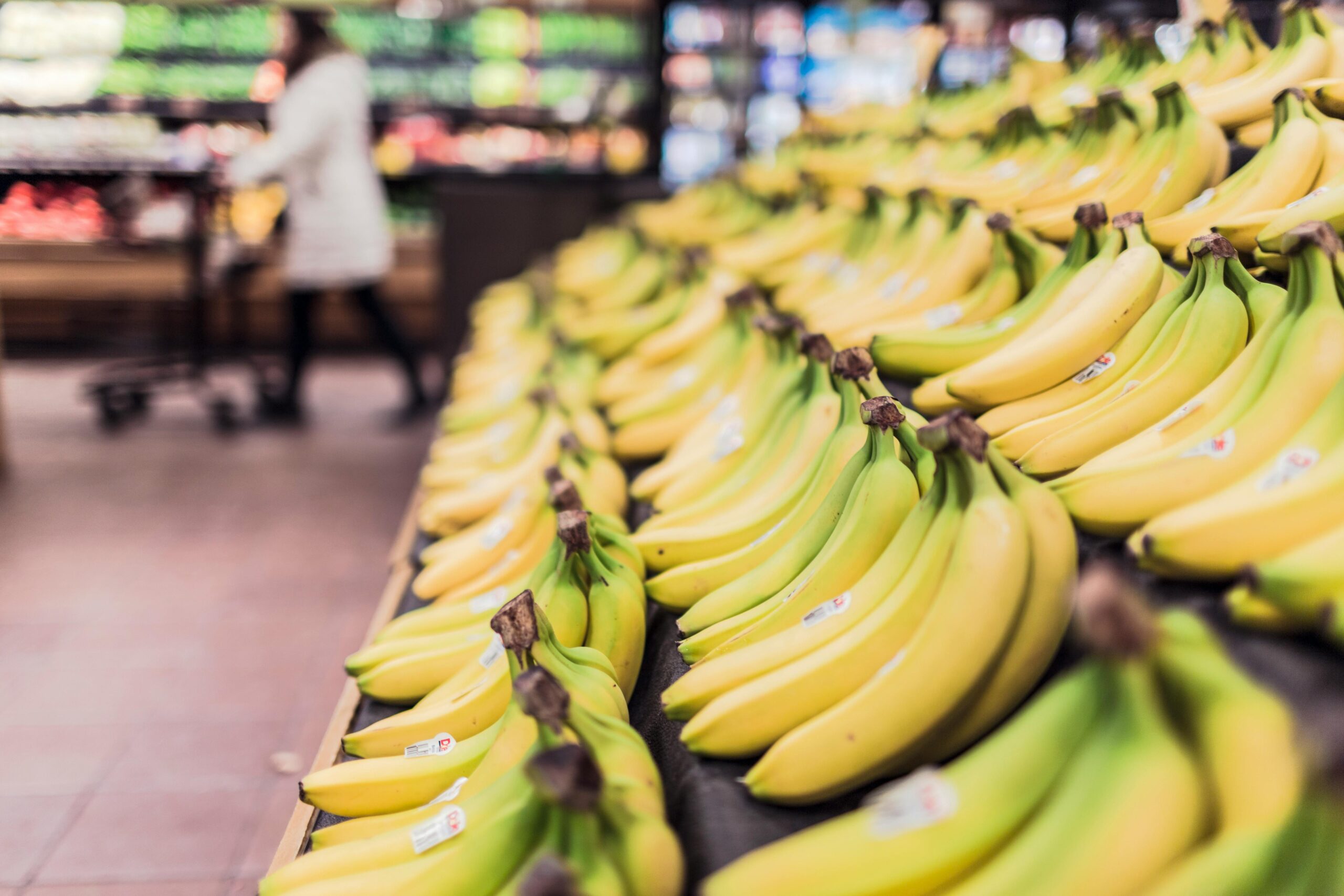
Fruits offer some of the most accessible sources of potassium in a typical diet. Bananas are frequently cited as the primary potassium-rich fruit, containing about 422 milligrams per medium fruit. However, several other fruits provide equally impressive amounts.
Tropical and Dried Fruits
Avocados stand out as an exceptional source, providing approximately 485 milligrams of potassium per half fruit. They also contain healthy monounsaturated fats and fiber, making them a nutritious addition to salads, smoothies, or whole grain toast.
Dried fruits concentrate their nutrients significantly. A quarter cup of dried apricots contains roughly 1,500 milligrams of potassium, while dates offer approximately 668 milligrams per 100 grams. These make excellent snacks for those seeking concentrated nutrient intake, though portion control matters due to their natural sugar content.
Kiwis provide about 312 milligrams per fruit and add digestive enzyme benefits. Oranges and cantaloupe deliver 237 and 473 milligrams respectively, offering refreshing options for breakfast or snacks.
Talk to a Doctor
Get Answers to Your Health Questions
Connect with health professionals — anytime, from anywhere.
Talk to a Doctor
Get Answers to Your Health Questions
Connect with health professionals — anytime, from anywhere.
Vegetables with High Potassium Content
Vegetables represent another cornerstone of potassium-rich nutrition. Leafy greens, particularly spinach and Swiss chard, provide exceptional amounts when consumed in quantity. A single cup of cooked spinach contains approximately 839 milligrams of potassium.
Root Vegetables and Other Options
Potatoes, often unfairly criticized in modern diets, contain about 926 milligrams of potassium per medium baked potato with skin. Sweet potatoes offer similar amounts at approximately 1,096 milligrams. These starchy vegetables provide sustained energy alongside their mineral content.
- Beet greens: 1,309 milligrams per cooked cup
- Acorn squash: 485 milligrams per cup
- Brussels sprouts: 494 milligrams per cooked cup
- Broccoli: 568 milligrams per cooked cup
- Tomatoes: 427 milligrams per large raw tomato
Legumes and Plant-Based Proteins
Legumes offer dual benefits by providing both potassium and plant-based protein. White beans top the list with approximately 1,613 milligrams per cooked cup, making them exceptionally nutrient-dense. Lentils contain about 731 milligrams per cooked cup and offer additional benefits including fiber and polyphenols. Other legume options include chickpeas with 477 milligrams per cooked cup and kidney beans with 717 milligrams. These versatile ingredients work well in soups, salads, curries, and grain bowls.
Seafood and Protein Sources
For those incorporating animal proteins, certain seafood options provide substantial potassium amounts. Salmon offers approximately 628 milligrams per 3-ounce cooked fillet, along with omega-3 fatty acids that support cardiovascular function. Other fish options include halibut with 490 milligrams and cod with 413 milligrams per serving. Prunes and prune juice deserve mention here, containing 1,457 milligrams and 707 milligrams respectively per standardized serving.
Grains and Seeds
Whole grains contribute to daily potassium intake. A single ounce of pumpkin seeds provides 446 milligrams, while sunflower seeds offer 248 milligrams. These make excellent additions to breakfast bowls, salads, or eaten as standalone snacks. Whole wheat bread contains approximately 100 milligrams per slice, accumulating throughout the day when consumed regularly. Buckwheat groats provide 393 milligrams per cup when cooked.
Practical Integration Strategies
- Start by evaluating your current eating patterns and identifying where adjustments fit naturally.
- Adding spinach to morning smoothies provides an undetectable potassium boost while maintaining palatability.
- Include at least one vegetable from the potassium-rich categories with lunch and dinner.
- Roasting potatoes and sweet potatoes with minimal oil creates satisfying sides for any meal.
- Prepare legume-based dishes in batches for convenient mid-week meals.
- Consider strategic snacking with dried apricots, fresh fruit, or seeds.
- A handful of almonds paired with a piece of fruit creates a balanced snack delivering multiple nutrients.
- Include fish options twice weekly for those consuming animal proteins.
Balancing Potassium Intake
While potassium is essential, balance matters. Those with kidney conditions or taking certain medications should discuss appropriate intake levels with their healthcare provider. However, for generally healthy adults, increasing potassium through whole food sources presents minimal risk while offering substantial nutritional benefits.
Timing matters less than consistency. Distributing potassium-rich foods throughout daily meals ensures steady nutrient availability for cellular function.
Conclusion
Foods high in potassium span across all major food categories, making it entirely achievable to meet daily requirements through thoughtful food selection. From bananas and avocados to leafy greens, legumes, and seafood, numerous delicious options support optimal mineral intake. By understanding which foods provide potassium and incorporating them strategically into your nutrition plan, you can enhance muscle function, support cardiovascular health, and promote overall wellness. The key lies in viewing potassium-rich foods not as specialized supplements but as fundamental components of a balanced, nutritious diet.