
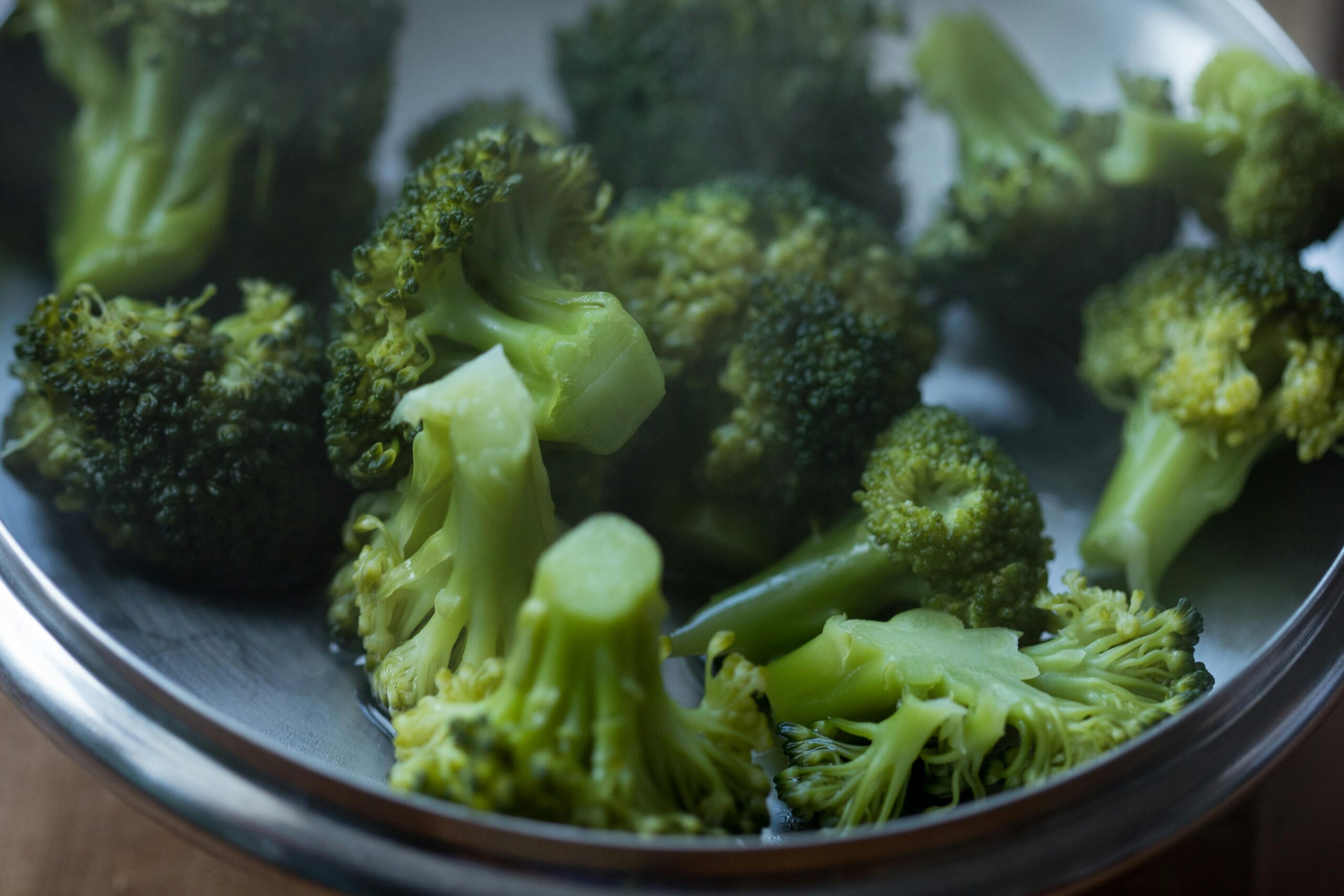
Everything You Need to Know About Carbs In Broccoli
Broccoli is one of the most celebrated vegetables in nutrition circles, praised for its impressive nutrient density and versatility in the kitchen. Whether you're tracking macronutrients for a specific eating plan or simply curious about the foods you consume, understanding the carbohydrate content of broccoli is valuable information. This guide breaks down everything you need to know about carbs in broccoli.
Understanding Broccoli’s Carbohydrate Content
Broccoli contains carbohydrates, but the amount is notably moderate compared to many other foods. A cup of raw broccoli florets, which weighs approximately 91 grams, contains about 7 grams of total carbohydrates. This makes broccoli a relatively low-carb option, especially when compared to grains, legumes, and starchy vegetables like potatoes and corn.
The carbohydrate profile of broccoli becomes even more favorable when you consider fiber content. Out of those 7 grams of total carbohydrates, approximately 2.4 grams consist of dietary fiber. This distinction is important for people who follow low-carb or ketogenic dietary approaches.
Total Carbs Versus Net Carbs
Understanding the difference between total carbs and net carbs is essential for making informed nutritional choices. Total carbohydrates include all carbohydrate content in a food, encompassing sugars, starches, and fiber. Net carbs, on the other hand, represent the carbohydrates that your body actually digests and converts to glucose.
To calculate net carbs, you subtract dietary fiber from total carbohydrates. For broccoli, this calculation means taking the 7 grams of total carbs and subtracting the 2.4 grams of fiber, resulting in approximately 4.6 grams of net carbs per cup of raw broccoli. This net carb figure is particularly relevant for individuals following ketogenic or other low-carb dietary approaches, as these plans typically focus on limiting net carb intake rather than total carbohydrate consumption.
Talk to a Doctor
Get Answers to Your Health Questions
Connect with health professionals — anytime, from anywhere.
Talk to a Doctor
Get Answers to Your Health Questions
Connect with health professionals — anytime, from anywhere.
Fiber Content and Digestive Health
The fiber present in broccoli offers benefits beyond carb counting. Dietary fiber plays a crucial role in digestive health, helping to promote regular bowel movements and support beneficial gut bacteria. Broccoli's fiber content also contributes to satiety, meaning it helps you feel fuller for longer after eating.
Fiber passes through your digestive system largely unchanged, which is why it's excluded from net carb calculations. This makes broccoli an excellent choice for those seeking to increase their fiber intake while maintaining moderate carbohydrate consumption.
Comparing Broccoli to Other Vegetables
When evaluating broccoli's carb content, it's helpful to see how it stacks up against other vegetables. Many cruciferous vegetables, including broccoli, cauliflower, and Brussels sprouts, contain similar carbohydrate levels.
- Cauliflower: approximately 5 grams of total carbs and 3 grams of net carbs per cup of raw florets.
- Medium baked potato: around 37 grams of carbs.
- Medium sweet potato: about 24 grams of carbs.
- Corn: roughly 17 grams of carbs per cup of kernels.
- Leafy greens (spinach, lettuce): even lower in carbs than broccoli.
- Bell peppers and zucchini: fall within a similar range to broccoli.
Preparation Methods and Carb Content
The way you prepare broccoli can affect its nutritional profile, though not its carbohydrate content directly. Raw broccoli maintains all of its original carbohydrate content. Steaming, boiling, roasting, and stir-frying also preserve the carbohydrate levels, as these cooking methods don't significantly alter the carb composition.
However, the manner in which you prepare broccoli can influence portion sizes and overall meal composition. Roasting with olive oil creates a more calorie-dense dish, while steaming keeps the calorie count minimal. These considerations matter for overall nutritional balance, even if carb content remains constant.
Broccoli’s Nutritional Advantages
Beyond carbohydrate considerations, broccoli offers substantial nutritional benefits that make it an excellent dietary addition. This vegetable contains vitamin C, which supports immune function and acts as an antioxidant. Broccoli also provides vitamin K, essential for bone health and blood clotting, and contains folate, important for cell division and DNA synthesis.
The mineral content of broccoli includes potassium, which helps regulate blood pressure, and chromium, which plays a role in metabolism. Broccoli also contains compounds called glucosinolates, which give the vegetable its characteristic flavor and have been the subject of extensive nutritional research.
Practical Serving Considerations
Understanding portion sizes helps put broccoli's carb content into perspective. One cup of raw broccoli florets represents a typical serving and contains the carbohydrate values discussed throughout this guide. For those following specific dietary plans, it's worth noting that broccoli's relatively low net carb content means you can enjoy generous portions without significantly impacting your daily carbohydrate allowance.
For example, two cups of raw broccoli would contain approximately 14 grams of total carbs and about 9.2 grams of net carbs, still a moderate amount for most dietary approaches. This flexibility makes broccoli an accommodating vegetable choice for various eating styles.
Incorporating Broccoli Into Your Diet
Broccoli's versatility and favorable carbohydrate profile make it easy to incorporate into numerous meals. Raw broccoli works well in salads and vegetable platters with dips. Steamed broccoli complements protein-based dishes like grilled chicken or fish. Roasted broccoli develops a rich flavor profile and can serve as a satisfying side dish.
- Raw: salads and vegetable platters with dips.
- Steamed: pairs well with grilled chicken or fish.
- Roasted: develops richer flavors and can be a satisfying side dish.
- Stir-fries: benefits from broccoli's texture and nutritional density.
- Soups and casseroles: additional ways to enjoy broccoli.
The neutral flavor of broccoli allows it to work well with various seasonings and cooking methods, making it a practical staple for diverse dietary preferences.
Conclusion
Broccoli stands out as a nutritious vegetable with moderate carbohydrate content, making it suitable for various dietary approaches. With approximately 7 grams of total carbs and 4.6 grams of net carbs per cup of raw florets, broccoli offers a low-carb option that doesn't sacrifice nutritional value. The substantial fiber content, combined with vitamins, minerals, and beneficial plant compounds, makes broccoli a smart choice for those conscious of both their carbohydrate intake and overall nutrition. Whether you're following a specific eating plan or simply seeking nutrient-dense foods, broccoli deserves a regular place on your plate.
Reference
Virta Health - How many carbs in broccoli?