
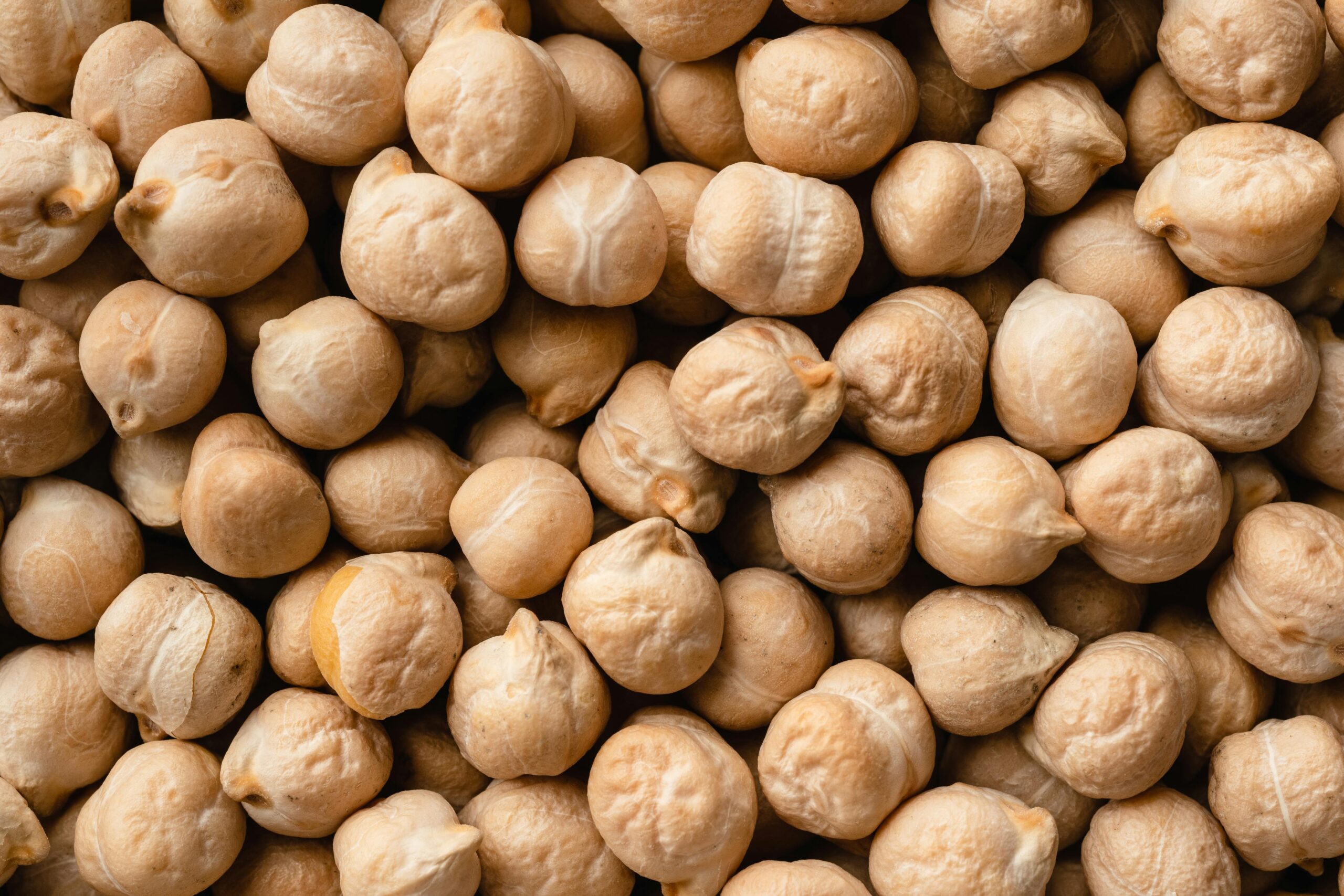
Everything You Need to Know About Chickpeas Nutrition: Benefits and Guidelines
Chickpeas, scientifically known as Cicer arietinum, have been cultivated for over 9,000 years and remain a dietary staple across numerous cultures. These legumes are increasingly recognized as valuable nutritional powerhouses in contemporary dietary patterns. Understanding their nutritional composition and health implications can help individuals make informed dietary choices that support long-term wellness goals.
Nutritional Composition of Chickpeas
Chickpeas contain an impressive array of essential nutrients that contribute to overall health maintenance. A single cup of cooked chickpeas, approximately 269 grams, provides substantial quantities of macronutrients and micronutrients necessary for bodily function.
Macronutrient Profile
Cooked chickpeas deliver approximately 19 grams of protein per cup, making them an excellent plant-based protein source for vegetarians and vegans. This protein content supports muscle maintenance, immune function, and various metabolic processes. The carbohydrate content reaches about 45 grams per cup, with approximately 12 grams coming from dietary fiber. This combination of complex carbohydrates and fiber promotes sustained energy levels and supports digestive health. Chickpeas contain minimal fat content, with only 4 grams per cup, primarily composed of polyunsaturated and monounsaturated fats that support cardiovascular health. This favorable fat composition makes chickpeas suitable for individuals managing specific dietary lipid levels.
Micronutrient Content
The micronutrient density of chickpeas extends their nutritional value considerably. Folate, a B-vitamin critical for cell division and DNA synthesis, appears in substantial quantities. A single serving provides approximately 71 percent of the daily recommended intake. Iron content, important for oxygen transport and energy production, constitutes roughly 26 percent of daily needs. Manganese, a trace mineral essential for bone development and metabolic processes, comprises about 84 percent of the recommended daily value. Copper, necessary for collagen formation and iron metabolism, provides approximately 76 percent of daily requirements. Additionally, chickpeas contain phosphorus, magnesium, and zinc, all supporting various physiological functions.
Dietary Fiber and Digestive Health
Soluble and Insoluble Fiber
Chickpeas provide both soluble and insoluble dietary fiber, each contributing differently to digestive wellness. Soluble fiber dissolves in water, forming a gel-like substance that slows gastric emptying and promotes feelings of fullness. This type of fiber may help moderate blood glucose levels after meals and support cholesterol management.
Insoluble fiber remains intact throughout the digestive tract, adding bulk to stool and promoting regular bowel movements. This action supports colon health and helps maintain a diverse microbiota composition. The combination of these fiber types in chickpeas makes them particularly beneficial for digestive function.
Prebiotic Properties
Chickpeas contain compounds classified as prebiotics, which serve as food for beneficial bacteria in the colon. These oligosaccharides support the growth of advantageous microorganisms that contribute to immune function, nutrient absorption, and potentially metabolic health. Regular consumption of chickpea-containing meals may help foster a healthy microbiotic environment.
Talk to a Doctor
Get Answers to Your Health Questions
Connect with health professionals — anytime, from anywhere.
Talk to a Doctor
Get Answers to Your Health Questions
Connect with health professionals — anytime, from anywhere.
Plant-Based Protein Considerations
Amino Acid Profile
While chickpeas provide substantial protein quantities, it is important to note they contain lower levels of methionine, an essential amino acid. However, when combined with grains such as rice, wheat, or other legumes, chickpeas form a complete amino acid profile. This complementary protein pairing allows for adequate intake of all nine essential amino acids necessary for optimal protein synthesis.
Bioavailability and Preparation
The bioavailability of chickpea nutrients can be enhanced through proper preparation methods. Soaking dried chickpeas for several hours before cooking reduces phytic acid content, which can inhibit mineral absorption. Sprouting chickpeas further increases nutrient bioavailability and reduces anti-nutritive compounds. These preparation techniques optimize the nutritional value obtained from consumption.
Health Considerations and Potential Benefits
Weight Management Support
The combination of protein, fiber, and complex carbohydrates in chickpeas promotes satiety, potentially supporting individuals seeking to maintain healthy body composition. These nutrients work synergistically to extend postprandial fullness and may reduce overall caloric intake across the day. Incorporating chickpeas into balanced meals provides sustained nutrition without excessive caloric density.
Cardiovascular Support
The nutritional profile of chickpeas supports cardiovascular wellness through multiple mechanisms. The soluble fiber assists in cholesterol management, while the presence of polyphenols provides antioxidant activity. The minimal saturated fat content and favorable polyunsaturated fat composition support healthy lipid profiles.
Blood Glucose Regulation
The low glycemic index of chickpeas makes them suitable for individuals monitoring blood glucose levels. The combination of fiber and protein slows carbohydrate absorption, preventing rapid blood glucose spikes after meals. Regular consumption as part of a balanced diet may support metabolic health and stable energy throughout the day.
Practical Incorporation into Daily Diet
Preparation Methods
Chickpeas offer versatility in culinary applications. They can be roasted as nutritious snacks, incorporated into soups and stews, pureed into hummus, or added to grain-based salads. Canned chickpeas provide convenience for those with limited preparation time, though dried chickpeas typically offer more cost-effective options.
Serving Suggestions
Starting with modest portions, approximately one-half cup of cooked chickpeas, allows digestive systems to adapt to their fiber content. Gradually increasing intake over several weeks minimizes potential gastrointestinal adjustments. Pairing chickpeas with easily digestible vegetables and grains creates balanced, nutrient-dense meals.
Potential Considerations
Individuals with legume sensitivities may experience digestive discomfort when consuming chickpeas. Thorough cooking, proper preparation methods, and gradual introduction may minimize such responses. Consulting with a healthcare provider remains advisable for those with specific dietary restrictions or medical conditions.
Conclusion
Chickpeas represent a nutrient-dense food with substantial contributions to dietary quality. Their protein content, diverse micronutrient composition, and exceptional fiber levels make them valuable additions to varied dietary patterns. Through proper preparation and thoughtful incorporation into meals, chickpeas can support nutritional adequacy and contribute to overall wellness objectives.
Reference
International Chronic Disease Consortium. (2020). Plant-Based Legumes and Long-Term Health Outcomes: Evidence-Based Guidelines for Dietary Integration. International Center on Aging. https://www.icaa.cc/