
Dietary Fiber: A Complete Nutrition Guide for Optimal Health
Understanding Dietary Fiber Basics
Dietary fiber represents a crucial component of nutrition that often goes underappreciated in modern diets. Unlike other carbohydrates, fiber cannot be digested by the human body. Instead, it passes through the digestive system largely intact, playing a vital role in maintaining digestive health and supporting numerous bodily functions.
The importance of fiber extends far beyond simple digestion. Research demonstrates that adequate fiber consumption correlates with improved cardiovascular health, better blood sugar management, and enhanced weight management outcomes. Understanding fiber and incorporating appropriate amounts into your daily diet can significantly impact your overall wellness.
Types of Dietary Fiber
Soluble Fiber
Soluble fiber dissolves in water to form a gel-like substance within the digestive tract. This type of fiber slows digestion, allowing for gradual nutrient absorption and promoting a longer sense of fullness after meals.
- Oats and oat bran
- Barley
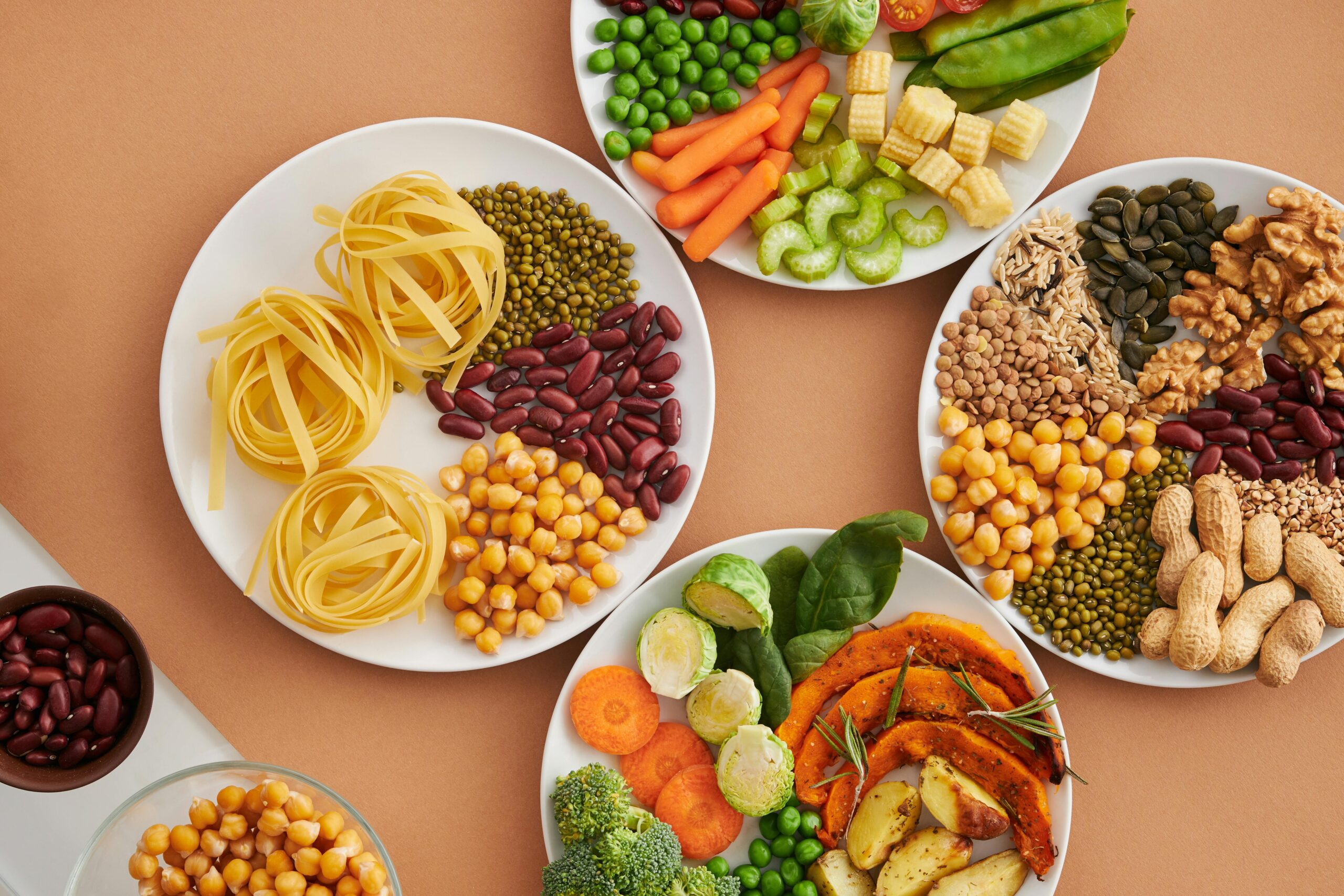
- Beans and legumes
- Apples and pears
- Citrus fruits
- Carrots
- Psyllium husk
Soluble fiber plays a particularly important role in cholesterol management by binding to cholesterol particles and facilitating their elimination from the body.
Insoluble Fiber
Insoluble fiber does not dissolve in water. Instead, it adds bulk to stool and promotes regular bowel movements, supporting the overall health of your digestive system.
- Whole grains and whole wheat products
- Brown rice
- Nuts and seeds
- Vegetables with skins
- Wheat bran
- Leafy greens
This type of fiber proves particularly beneficial for individuals seeking to prevent constipation and maintain regular digestive function.
Talk to a Doctor
Get Answers to Your Health Questions
Connect with health professionals — anytime, from anywhere.
Talk to a Doctor
Get Answers to Your Health Questions
Connect with health professionals — anytime, from anywhere.
Health Benefits of Adequate Fiber Intake
Digestive Health and Regular Bowel Function
Fiber promotes healthy digestion by adding bulk to stools and facilitating regular bowel movements. This action reduces the time waste spends in your colon, which may lower the risk of certain digestive complications.
Heart Health Support
Soluble fiber helps reduce cholesterol levels by binding to cholesterol particles in the digestive system. Studies indicate that increasing soluble fiber intake can contribute to lower LDL cholesterol levels, supporting cardiovascular wellness.
Blood Sugar Management
Fiber slows the rate at which sugar enters the bloodstream, preventing rapid spikes and crashes in blood glucose levels. This stabilizing effect proves particularly valuable for individuals monitoring their blood sugar levels.
Weight Management
Foods rich in fiber typically contain fewer calories while providing greater volume, promoting satiety and reducing overall caloric intake. The slower digestion of high-fiber foods means you feel fuller for longer periods.
Microbiome Support
Fiber serves as a prebiotic, providing nourishment for beneficial bacteria in your digestive system. A healthy gut microbiome supports immune function and overall wellness.
Daily Fiber Recommendations
Health organizations recommend that adults consume between 25 to 38 grams of fiber daily, though individual needs may vary based on age, sex, and overall health status.
Daily fiber targets by demographic:
- Adult women: 25 grams per day
- Adult men: 38 grams per day
- Adults over 50 years: 21 grams (women), 30 grams (men)
Practical Ways to Increase Fiber Intake
Gradual Implementation
Increasing fiber intake too rapidly can cause digestive discomfort, including bloating and gas. Gradual increases allow your digestive system to adapt effectively. Implement changes over several weeks for optimal results.
Start Your Day Right
Replace refined breakfast cereals with whole grain options or oatmeal. A bowl of steel-cut oats with berries can provide 5 to 8 grams of fiber at the start of your day.
Choose Whole Grains
Select whole wheat bread, brown rice, and whole grain pasta instead of their refined counterparts. Reading nutrition labels helps identify products containing at least 3 grams of fiber per serving.
Incorporate Legumes
Beans, lentils, and chickpeas rank among the highest fiber sources available. Adding these to soups, salads, and main dishes provides substantial fiber benefits with minimal effort.
Include Fruits and Vegetables
Eat fruits and vegetables with their skins when possible, as the skin contains concentrated amounts of fiber. Keep raw vegetables readily available as snacks to increase daily intake.
Add Seeds and Nuts
Chia seeds, flax seeds, and almonds provide fiber along with healthy fats and other nutrients. Sprinkling these on yogurt, oatmeal, or salads adds nutritional value effortlessly.
Fiber and Hydration Connection
Adequate water intake proves essential when consuming higher amounts of dietary fiber. Fiber works optimally when paired with sufficient hydration, typically 8 to 10 glasses of water daily. This combination promotes proper digestion and prevents uncomfortable side effects.
Fiber-Rich Foods to Emphasize
Building meals around naturally fiber-rich foods ensures meeting daily recommendations without artificial supplements.
- Raspberries and blackberries (8 grams per cup)
- Avocado (10 grams per medium fruit)
- Split peas (16 grams per cooked cup)
- Lentils (15 grams per cooked cup)
- Pears with skin (6 grams per medium fruit)
- Sweet potatoes (4 grams per medium baked potato)
- Almonds (3.5 grams per ounce)
Common Challenges and Solutions
Digestive Discomfort
Bloating and gas often result from rapid fiber increases. Slowing the pace of dietary changes allows your digestive system to adapt without discomfort.
Taste Preferences
Gradually introducing new high-fiber foods allows your palate to adjust. Combining unfamiliar foods with familiar flavors eases the transition.
Accessibility and Cost
While some assume high-fiber foods cost more, dried beans and frozen vegetables provide affordable, nutrient-dense options. Buying in bulk reduces per-serving costs significantly.
Conclusion
Dietary fiber represents a fundamental pillar of nutritional health with benefits extending across multiple body systems. From supporting digestive function to promoting heart health and stable blood sugar levels, adequate fiber intake deserves serious attention in daily meal planning.
Meeting recommended daily fiber intake through whole foods ensures you receive additional nutrients alongside fiber benefits. Beginning with small, consistent changes and maintaining proper hydration allows your body to adapt while experiencing the full spectrum of fiber's health-supporting properties. Making fiber a dietary priority contributes meaningfully to long-term wellness and vitality.