
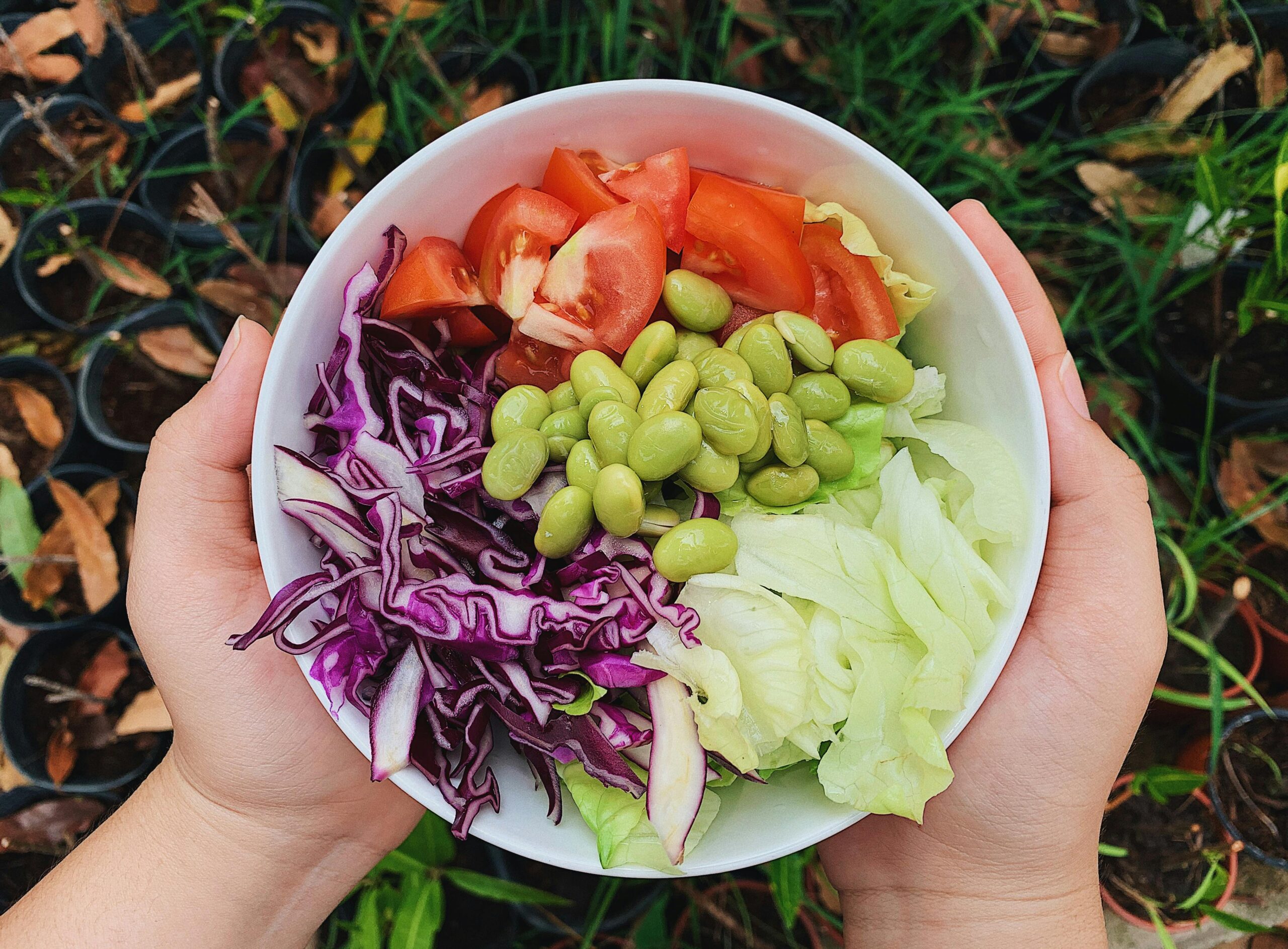
Plant Based Diet: Everything You Need to Know About Benefits, Nutrition, and Getting Started
Understanding Plant-Based Eating
- Vegan — excludes all animal products, including meat, dairy, eggs, and honey.
- Vegetarian — typically eliminates meat but may include dairy and eggs.
- Flexitarian — incorporates primarily plant foods while allowing occasional animal products.
- Foundation foods — whole grains, legumes, vegetables, fruits, nuts, and seeds form the basis of meals.
The shift toward plant-based eating isn't merely a dietary trend. Research indicates that populations consuming predominantly plant-based diets demonstrate lower rates of certain chronic health conditions. This connection between plant-based eating patterns and health outcomes has prompted many individuals to reconsider their nutritional approach.
Key Health Benefits of Plant-Based Diets
Cardiovascular Health
Plant-based diets are naturally lower in saturated fat and cholesterol, both contributing factors to cardiovascular disease risk. Foods like legumes, whole grains, nuts, and seeds contain fiber and phytochemicals that support heart health. The absence of processed meats, which contain high levels of sodium and preservatives, further reduces cardiovascular strain. Many individuals who transition to plant-based eating experience improvements in blood pressure and cholesterol levels within weeks.
Weight Management
Plant-based foods tend to be lower in calorie density while maintaining high nutritional value. Whole grains and legumes provide sustained energy through complex carbohydrates and fiber, promoting feelings of fullness longer than refined foods. This natural satiety effect often leads to reduced overall calorie consumption without requiring strict calorie counting. The fiber content in plant foods also supports healthy digestive function and metabolic efficiency.
Blood Sugar Regulation
Plant-based diets rich in whole grains and legumes have lower glycemic indices compared to refined carbohydrates and animal products. The combination of fiber, polyphenols, and minimal saturated fat creates a metabolic environment that supports stable blood glucose levels. This becomes particularly important for individuals aiming to maintain steady energy throughout the day and reduce the risk of metabolic complications.
Anti-inflammatory Benefits
Many plant foods contain polyphenols, carotenoids, and other phytochemicals with potent anti-inflammatory properties. Chronic inflammation underlies many age-related health conditions. By consuming diverse plant foods in their whole form, you naturally increase your intake of these protective compounds. Research demonstrates that individuals following plant-based diets typically have lower inflammatory markers in their bloodwork.
Talk to a Doctor
Get Answers to Your Health Questions
Connect with health professionals — anytime, from anywhere.
Talk to a Doctor
Get Answers to Your Health Questions
Connect with health professionals — anytime, from anywhere.
Essential Nutrients in Plant-Based Eating
Transitioning to a plant-based diet requires understanding key nutrients and their plant sources. Proper planning ensures you meet all nutritional needs.
Protein Sources
- Legumes (lentils, chickpeas, black beans) — provide about 15-20 grams of protein per cooked cup.
- Tofu and tempeh — complete proteins containing all essential amino acids.
- Nuts, seeds, and whole grains — contribute additional protein and variety.
- Combine different plant proteins throughout the day to ensure adequate intake of all amino acids.
Iron and Mineral Absorption
Plant-based sources of iron include dark leafy greens, legumes, and fortified grains. Though plant-based iron is less readily absorbed than animal sources, consuming vitamin C-rich foods like citrus, tomatoes, and bell peppers significantly enhances absorption. Mineral needs for calcium and magnesium can be met through leafy greens, fortified plant milks, seeds, and nuts.
Vitamin B12 Considerations
Vitamin B12 occurs naturally in animal products and certain fortified plant foods. Those following vegan diets should include fortified plant milks, nutritional yeast, or cereals, or consider supplementation to ensure adequate B12 intake. This single nutrient requires conscious attention when eliminating all animal products.
Omega-3 Fatty Acids
- Ground flaxseeds, chia seeds, walnuts, and hemp seeds — provide alpha-linolenic acid (ALA), a plant-based omega-3 precursor.
- Algae-based supplements — may help ensure optimal intake of EPA and DHA for those not consuming fish.
Practical Tips for Transitioning to Plant-Based Eating
Start Gradually
Begin by adopting "Meatless Mondays" or designating specific meals as plant-based. This gradual approach allows your palate to adjust while your digestive system adapts to increased fiber intake. Many people find that gradually reducing animal products leads to more sustainable long-term changes than abrupt elimination.
Explore Diverse Foods
Plant-based eating becomes enjoyable when you experiment with varied cuisines and cooking methods. Mediterranean, Asian, and Indian cuisines offer abundant plant-based traditions. Exploring new grains like quinoa, farro, and millet prevents monotony and ensures broader nutrient intake.
Build Balanced Meals
Structure meals around whole grains, legumes, and vegetables, adding nuts or seeds for healthy fats and additional protein. A balanced plate might include half vegetables, one quarter whole grains, and one quarter legumes or plant proteins, finished with a source of healthy fats.
Plan and Prepare
Meal planning prevents reliance on processed plant-based convenience foods. Batch cooking legumes, grains, and chopped vegetables on weekends simplifies meal assembly throughout the week. Having these components readily available increases the likelihood of maintaining your plant-based approach during busy periods.
Seek Educational Resources
Numerous resources provide plant-based recipes, nutritional information, and meal plans. Consulting with a nutritionist familiar with plant-based eating can personalize guidance to your specific health goals and preferences.
Addressing Common Concerns
Many people worry about protein sufficiency on plant-based diets. With intentional food selection, meeting protein needs presents no challenge. Others express concern about taste and satisfaction. Properly seasoned, varied plant foods prove equally satisfying as any other eating approach. Cost considerations can be addressed by focusing on affordable staples like beans, lentils, rice, and seasonal produce rather than expensive processed alternatives.
Conclusion
Plant-based diets offer well-documented nutritional advantages and health benefits for those willing to approach them thoughtfully. Success depends on understanding essential nutrients, planning meals intentionally, and maintaining dietary diversity. Whether you adopt a fully vegan approach or incorporate more plant foods into a flexible eating pattern, the fundamental principle remains the same: whole plant foods form the foundation of your diet. By starting gradually, educating yourself about nutritional needs, and experimenting with diverse foods, you can establish a sustainable plant-based eating pattern that supports your health and aligns with your values.
Reference
Kemmler W, Stengel S (2011). The Intensity and Effects of Strength Training in the Elderly. Deutsches Ärzteblatt International, 108(21), 359-364. https://pmc.ncbi.nlm.nih.gov/articles/PMC3117172/