
Mediterranean Diet Meal Plan: Everything You Need to Know
The Mediterranean diet represents one of the most researched and recommended dietary approaches for supporting overall health. This eating pattern, inspired by the traditional foods consumed in countries surrounding the Mediterranean Sea, has gained widespread recognition among nutrition professionals for its emphasis on whole foods and sustainable healthy habits.
Understanding the Mediterranean Diet Approach
The Mediterranean diet meal plan centers on whole grains, legumes, vegetables, fruits, nuts, seeds, and olive oil as primary components. Fish and seafood feature prominently, appearing on the table multiple times weekly. Poultry and eggs are consumed in moderate amounts, while red meat consumption remains limited to occasional meals. This approach differs from restrictive diets by focusing on adding nutritious foods rather than eliminating large food groups.
The foundation of this eating pattern reflects the agricultural abundance and cultural food traditions of Mediterranean regions. The diet emphasizes cooking methods that preserve nutritional value and flavor, primarily through gentle heating with olive oil rather than heavy frying or processing.
Core Components of Your Mediterranean Meal Plan
Vegetables and Plant-Based Foods
Fresh vegetables form the cornerstone of Mediterranean meal planning. Tomatoes, bell peppers, zucchini, eggplant, and leafy greens appear regularly on plates throughout the week. These vegetables provide fiber, vitamins, minerals, and phytonutrients without excessive calorie content.
Including seasonal produce supports both your health and budget. Spring brings asparagus and artichokes, summer offers abundant tomatoes and cucumbers, while autumn provides root vegetables and squashes. Winter features hearty greens and citrus fruits.
Whole Grains and Legumes
Whole grain breads, brown rice, quinoa, farro, and bulgur provide sustained energy and fiber. Legumes including lentils, chickpeas, and beans appear frequently in Mediterranean meals, offering plant-based protein and essential nutrients.
These foods support digestive health and provide a sense of fullness that can help with portion control throughout the day. A typical Mediterranean meal plan incorporates whole grains at most meals rather than refined grain products.
Healthy Fats and Oils
Extra virgin olive oil serves as the primary fat source in Mediterranean cooking. This oil contains polyphenols and monounsaturated fats that support cardiovascular function. Most meals include a measured amount of olive oil for cooking or drizzling over finished dishes.
Nuts and seeds, including almonds, walnuts, flaxseeds, and sunflower seeds, contribute additional healthy fats along with protein and micronutrients. These foods make excellent snacks or meal additions without requiring extensive preparation.
Fish and Seafood
Fish consumption typically occurs three to four times weekly in a Mediterranean meal plan. Salmon, sardines, mackerel, and other fatty fish provide omega-3 fatty acids that support brain and heart health. Preparation methods emphasize baking, grilling, or poaching rather than frying.
Shellfish including mussels, clams, and shrimp also feature in Mediterranean cuisine, offering lean protein and minerals. These options provide variety while keeping meals interesting and palatable.
Talk to a Doctor
Get Answers to Your Health Questions
Connect with health professionals — anytime, from anywhere.
Talk to a Doctor
Get Answers to Your Health Questions
Connect with health professionals — anytime, from anywhere.
Creating Your Weekly Mediterranean Meal Plan
Breakfast Ideas
- Start your day with whole grain toast topped with tomato and olive oil, accompanied by fresh fruit.
- Greek yogurt with berries, nuts, and a drizzle of honey offers another satisfying option.
- Vegetable omelets made with eggs and Mediterranean herbs provide protein-rich alternatives.
- Overnight oats prepared with whole grains, nuts, and dried fruit work well for busy mornings.
Lunch and Dinner Approaches
- Build meals around grilled fish with roasted vegetables and whole grain sides.
- Mediterranean vegetable soups combining beans, tomatoes, and seasonal produce offer warmth and nourishment.
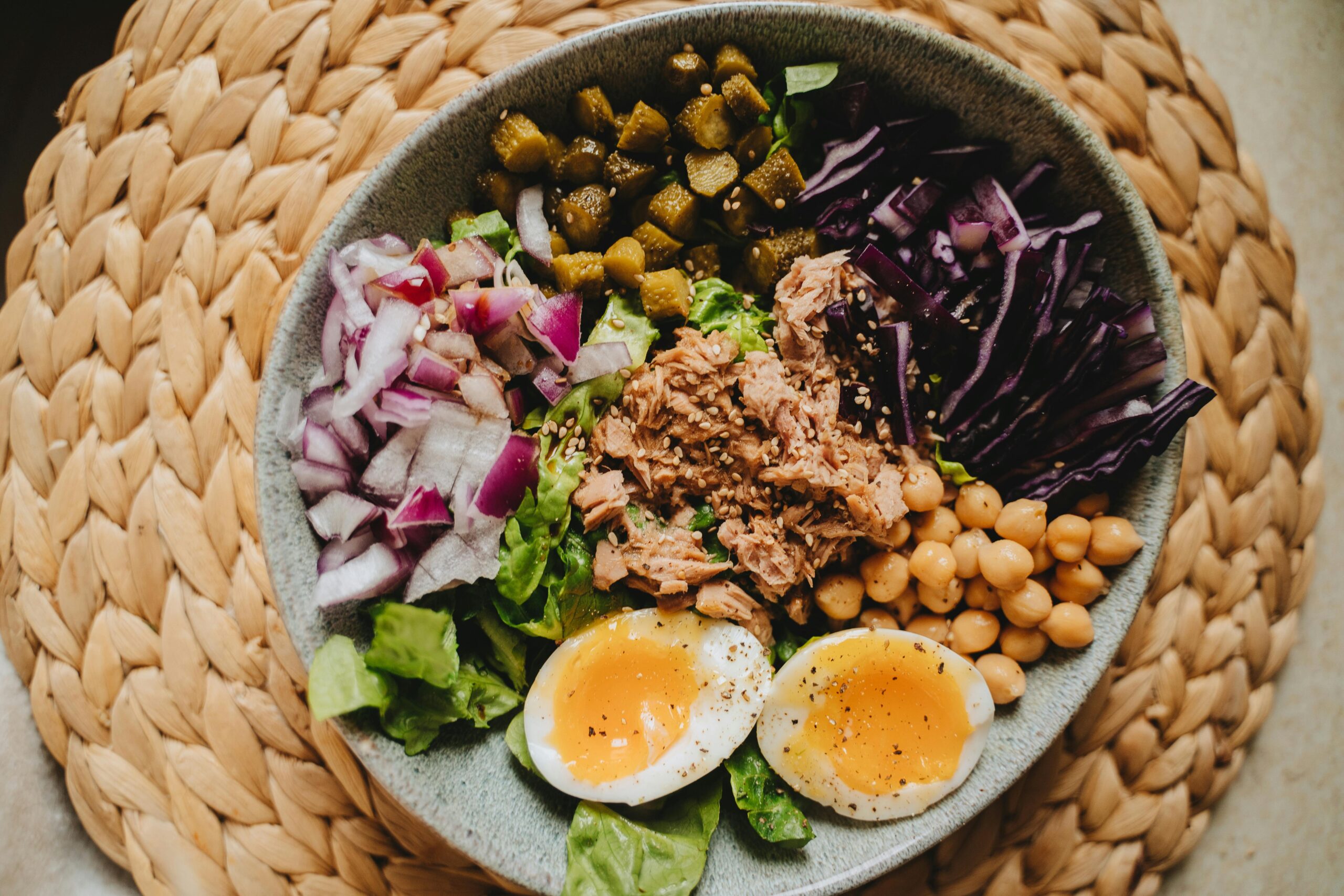
- Grain bowls layered with roasted vegetables, legumes, and a drizzle of olive oil and lemon dressing provide flexibility for using available ingredients.
- Pasta dishes prepared with whole grain noodles, tomato-based sauces, vegetables, and modest portions of cheese or fish reflect traditional Mediterranean dining.
Snack Options
- Fresh fruit, nuts in small portions, and vegetable sticks with hummus provide convenient snacks between meals.
- These options prevent excessive hunger while maintaining the nutritional integrity of your meal plan.
- Olives, small portions of cheese, and whole grain crackers offer variety for afternoon eating occasions.
- The key involves choosing whole foods over processed snack products.
Practical Implementation Strategies
Shopping and Meal Prep
Focus your shopping on the perimeter of grocery stores where fresh produce, fish, and whole grains typically locate. This approach reduces temptation from processed foods while streamlining shopping time.
Preparing components in advance supports consistency. Roasting multiple vegetable servings, cooking whole grains, and portioning nuts makes weekday meal assembly straightforward. Many people find dedicating a few hours weekly to preparation helps maintain their Mediterranean meal plan during busy periods.
Adaptation for Your Lifestyle
The Mediterranean approach adapts well to various dietary preferences and restrictions. Vegetarians can emphasize legumes, nuts, seeds, and whole grains as primary protein sources. Those avoiding gluten can substitute appropriate whole grain alternatives while maintaining the dietary pattern's core principles.
Budget considerations need not prevent Mediterranean eating. Seasonal produce costs less, dried beans and lentils offer economical nutrition, and cooking at home reduces expenses compared to restaurant dining.
Key Takeaways for Success
Implementing a Mediterranean diet meal plan requires patience and gradual adjustment rather than dramatic overnight changes. Start by incorporating one additional vegetable serving daily or choosing fish for dinner twice weekly. These incremental additions make dietary changes sustainable and enjoyable.
Focus on enjoying meals with others when possible, as the Mediterranean tradition emphasizes food as a social and cultural experience. This perspective transforms healthy eating from a chore into a pleasurable aspect of daily life.
Remember that consistency matters more than perfection. Missing a meal plan component occasionally has minimal impact on your overall health when you return to your typical eating pattern at the next meal.
The Mediterranean meal plan represents an evidence-based approach to nutrition that supports both immediate wellbeing and long-term health. By emphasizing whole foods, healthy fats, and traditional preparation methods, this dietary pattern offers a sustainable path toward better nutritional habits that can continue indefinitely.
Reference
Kemmler W, Stengel S. (2011). The Intensity and Effects of Strength Training in the Elderly. Deutsches Ärzteblatt International, 108(21), 359-364. https://pmc.ncbi.nlm.nih.gov/articles/PMC3117172/