
Low Calorie Snacks for Weight Management and Sustained Energy
Understanding the Role of Snacking in Daily Nutrition
Snacking often gets a bad reputation in nutrition discussions, but the reality is more nuanced. Strategic snacking can support weight management goals when you choose foods that provide nutritional value without excess calories. The key is understanding which snacks align with your health objectives and how they fit into your overall dietary pattern.
Many people experience energy dips between meals, leading to poor food choices driven by hunger and fatigue. When you plan ahead with low calorie snacks, you create opportunities to maintain stable blood sugar levels and avoid overeating at main meals. This approach requires knowledge about food composition and practical strategies for accessibility.
What Makes a Snack Low in Calories but Nutritious
Protein-Based Options
Protein plays a crucial role in satiety, meaning foods high in protein keep you feeling fuller longer. This physiological response helps reduce overall calorie consumption throughout the day. Greek yogurt, for instance, provides protein while remaining relatively low in calories, especially when you choose plain varieties without added sugars. Cottage cheese offers similar benefits with protein content that supports muscle maintenance. Hard-boiled eggs serve as convenient, portable protein sources that require minimal preparation. These options deliver sustained satisfaction without empty calories.
Fiber-Rich Choices
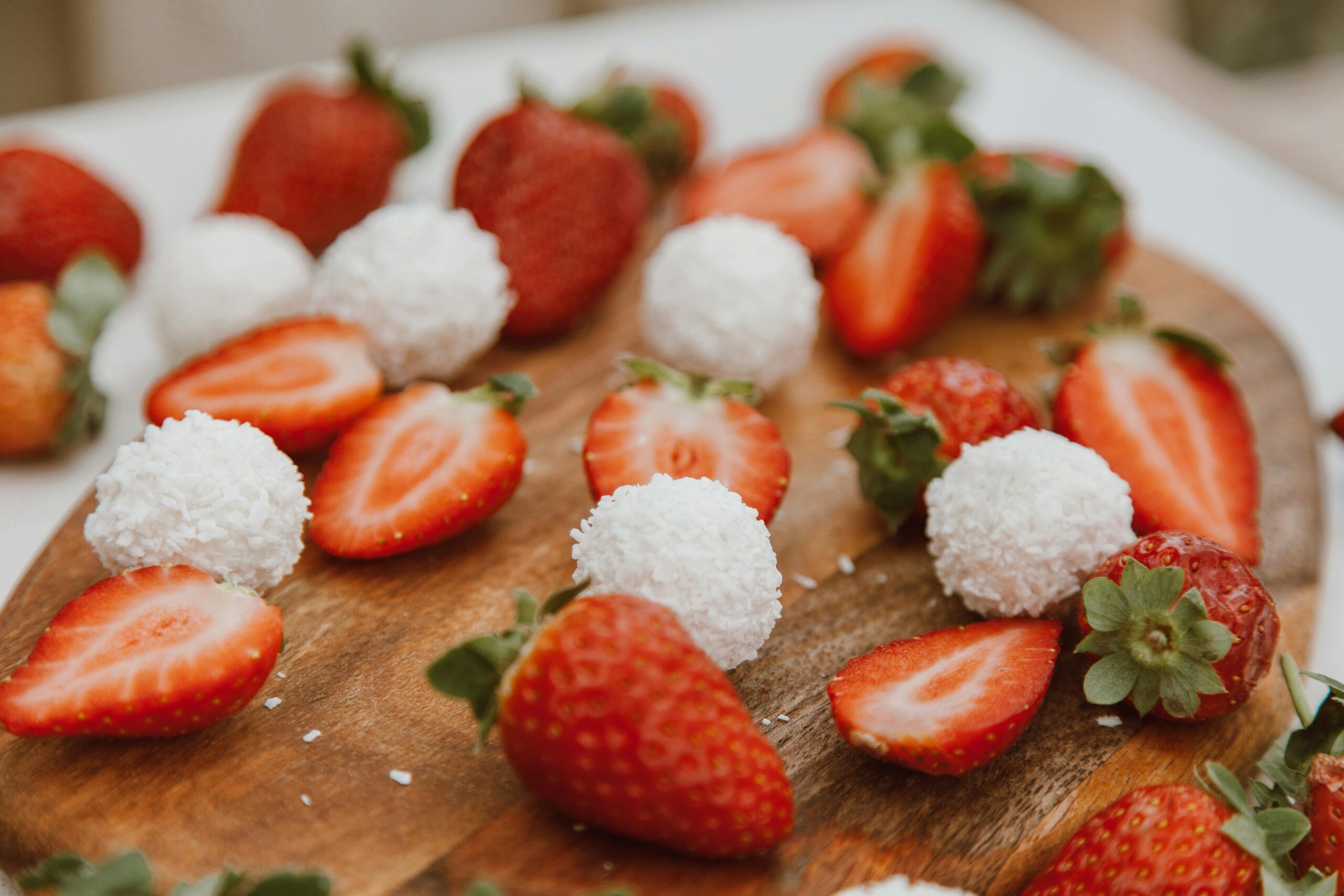
Dietary fiber provides bulk to food without contributing significantly to calorie content. Vegetables like carrots, celery, and bell peppers offer substantial volume with minimal calories. The act of chewing fibrous foods also promotes satiety signals to your brain, creating a sense of fullness. Whole grain crackers and air-popped popcorn provide fiber along with moderate calories when portioned appropriately. Berries deliver fiber, vitamins, and antioxidants while remaining relatively low in calories compared to other fruits.
Hydration Through Food
Foods with high water content naturally contain fewer calories per serving. Cucumber slices, watermelon pieces, and lettuce-wrapped options provide refreshment alongside nutrition. This hydration component supports overall wellness and can reduce confusion between thirst and hunger.
Talk to a Doctor
Get Answers to Your Health Questions
Connect with health professionals — anytime, from anywhere.
Talk to a Doctor
Get Answers to Your Health Questions
Connect with health professionals — anytime, from anywhere.
Practical Low Calorie Snack Ideas
Vegetable-Based Options
Raw vegetables with hummus create a satisfying combination of fiber and plant-based protein. Edamame offers a complete protein source that feels indulgent while maintaining low calorie counts. Roasted chickpeas provide a crunchy alternative to traditional salty snacks. Vegetable sticks paired with tzatziki or mustard-based dips keep calories controlled while delivering flavor. These options work particularly well for individuals seeking volume in their snacks without significant calorie contribution.
Fruit Selections
Whole fruits provide natural sweetness alongside fiber and micronutrients. An apple with a small amount of almond butter delivers sustained energy through carbohydrate and fat combinations. Berries offer antioxidants with minimal calorie density. Frozen grapes create a naturally sweet treat that requires extended chewing time, supporting satiety. Citrus fruits provide vitamin C and fiber while keeping calorie counts reasonable for most portion sizes.
Protein-Forward Options
Plain yogurt topped with berries and a small amount of granola creates a balanced snack with protein, fruit, and whole grains. String cheese provides portable calcium and protein in convenient portions. Nuts in measured quantities offer healthy fats alongside protein, though portion control remains important due to calorie density. Turkey breast slices rolled with mustard or wrapped around vegetable sticks combine protein with minimal processing. These options support muscle health while maintaining calorie consciousness.
Strategies for Sustainable Low Calorie Snacking
Portion Control Methods
Pre-portioning snacks into containers helps prevent mindless overeating. Single-serve options remove the need for portion decisions when hunger strikes. Understanding standard serving sizes allows you to make informed choices when eating directly from packages. Using smaller plates and bowls for snacks creates visual satisfaction while naturally limiting quantities. This approach acknowledges that portion size influences how satisfied we feel, independent of actual calorie content.
Meal Planning Integration
Incorporating snacks into your overall nutrition plan prevents impulsive choices. Planning snacks alongside main meals ensures you have appropriate options readily available. This strategy reduces reliance on convenience foods that often contain added sugars and excess sodium. Keeping a list of preferred snacks makes shopping more intentional. When you enter grocery stores with clear targets, you avoid impulse purchases that undermine your goals.
Environmental Preparation
Keeping healthy snacks visible and accessible in your home increases consumption of nutritious options. Storing less healthful foods in less convenient locations naturally reduces consumption. Creating a snack drawer or shelf designated for planned options supports consistent decision-making. At work and during travel, carrying prepared snacks prevents reliance on vending machines or fast food options. Small containers with nuts, dried fruits, or vegetable sticks provide emergency nutrition that aligns with your goals.
Nutritional Considerations for Different Needs
For Active Individuals
Those engaging in regular exercise may benefit from snacks combining carbohydrates and protein. A banana with a small amount of nut butter provides energy for workouts while supporting recovery. Greek yogurt with granola offers similar benefits with convenience. Timing snacks around activity helps optimize energy availability. Eating 30-60 minutes before exercise provides fuel, while post-exercise snacks support recovery processes.
For Sedentary Individuals
Those with less physical activity benefit from snacks emphasizing satiety through fiber and protein. Vegetable-based options with protein dips provide filling nutrition without excessive calories. These choices support weight management when activity levels are lower.
For Evening Snackers
Evening eating patterns often coincide with mindless consumption while relaxing. Selecting snacks that require chewing time like vegetables or nuts naturally slows consumption. This extended eating time allows satiety signals to fully register.
Common Snacking Mistakes to Avoid
Many people underestimate liquid calorie consumption. Smoothies, even those marketed as healthy, can contain significant calories when they include added sweeteners or nut butters. Being intentional about liquid intake supports calorie management. Assuming all packaged health foods are genuinely low calorie creates problems. Reading nutrition labels reveals that many "healthy" options contain surprising sugar or fat content. Knowledge about food composition prevents unintended calorie excess. Skipping snacks entirely can backfire when extreme hunger leads to overeating at subsequent meals. A measured approach that includes satisfying snacks often produces better outcomes than restrictive approaches.
Creating Your Personal Snacking Framework
Successful low calorie snacking reflects your individual preferences and lifestyle. Identifying which snacks you genuinely enjoy increases consistency. Experimenting with different options reveals what provides satisfaction within calorie targets. Building snacking habits takes time and adjustment. Starting with small changes, like replacing one daily snack, allows sustainable progress. Gradual modifications feel less overwhelming than complete dietary overhauls. Your snacking choices should support your broader wellness goals while remaining enjoyable. When snacks feel restrictive or unsatisfying, adherence falters. Finding the balance between nutrition and enjoyment creates lasting habits.
Conclusion
Low calorie snacks represent a practical strategy for supporting weight management and maintaining energy throughout the day. By choosing foods rich in protein, fiber, and water content, you can create satisfying snacks that align with health objectives. Preparation, portion awareness, and thoughtful food selection transform snacking from a liability into a supporting component of healthy eating patterns.
Reference
Kemmler W, Stengel S. (2011). The Intensity and Effects of Strength Training in the Elderly. Deutsches Ärzteblatt International, 108(21), 359-364. https://pmc.ncbi.nlm.nih.gov/articles/PMC3117172/