
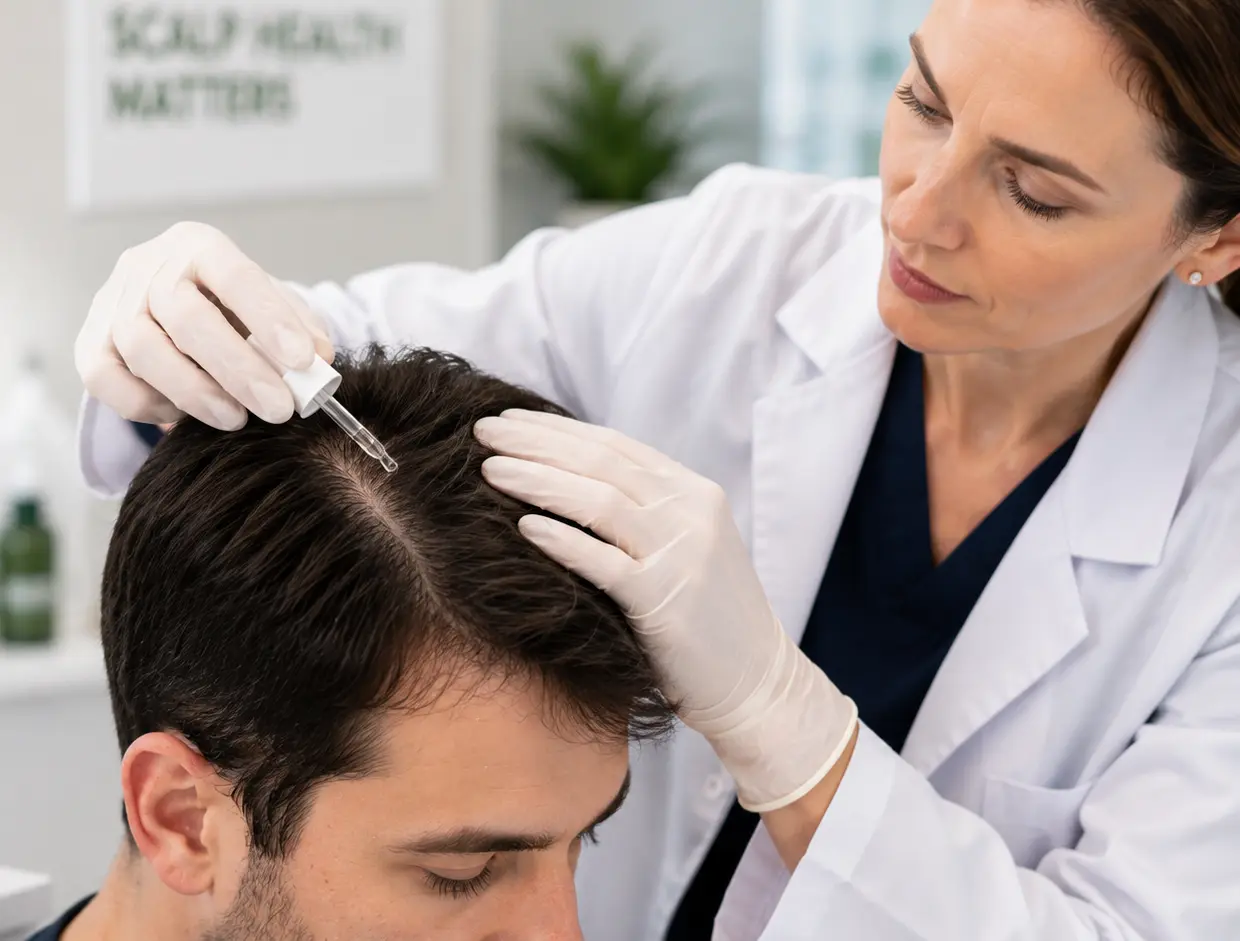
A persistently itchy scalp can be hard to ignore, and the most effective itchy scalp treatment depends on what is triggering it in the first place. From dry scalp and dandruff to more involved skin conditions, different causes call for different approaches. This article looks at what commonly causes scalp itching, the range of treatment options available, from over-the-counter care to prescription options, and how to tell when it is time to involve a healthcare professional.
What Causes an Itchy Scalp?
Scalp itching is a symptom rather than a condition on its own, and it can come from several different sources, sometimes more than one at a time. Common causes include:
- Dandruff, marked by flaking and mild to moderate itch
- Dry scalp, from weather, over-washing, or harsh hair products
- Seborrheic dermatitis, which causes more inflamed, often greasy scaling
- Scalp psoriasis, which can produce thick, silvery-white scale and persistent itch
- Reactions to shampoo, styling products, or hair dye
- Product buildup or infrequent rinsing
- Less commonly, infections such as ringworm, or conditions like folliculitis
A closer look at these causes, along with how to choose a shampoo suited to each one, is available in Doc Med Center's guide to shampoo for itchy scalp. The sections below focus on treatment approaches once a likely cause has been identified.
Itchy Scalp Treatment Options
Treatment for an itchy scalp generally falls into a few categories: over-the-counter medicated products, general scalp care and moisturizing, quick relief measures for intense itching, and prescription treatment for conditions that need it.
Medicated Shampoos and Topical Treatments
For itching linked to dandruff or seborrheic dermatitis, over-the-counter shampoos containing pyrithione zinc, ketoconazole, selenium sulfide, salicylic acid, or coal tar are commonly recommended starting points. These are typically left on the scalp for several minutes before rinsing, and it can take a few weeks of consistent use to see improvement. If one active ingredient does not help, switching to a shampoo with a different active ingredient is a reasonable next step.
Moisturizing and Non-Medicated Scalp Care
When dryness is the main driver of the itch, a gentle, fragrance-free, non-medicated shampoo paired with a lightweight, fragrance-free moisturizing product can help restore the scalp's moisture barrier. Limiting shower time and avoiding very hot water can also reduce how much moisture the scalp loses during washing.
Quick Relief for Intense Itching
For itching that feels intense or sudden, dermatologists often suggest cooling the area, for example with a cool, damp cloth or a cool water rinse, since cooling can calm the itch signal sent by nerves in the skin. Over-the-counter anti-itch products containing menthol or camphor may also provide short-term relief. These measures address the sensation of itching and work best alongside treatment aimed at the underlying cause.
Prescription Treatment Options
When an itchy scalp is due to a diagnosed condition such as moderate to severe seborrheic dermatitis or scalp psoriasis, a healthcare provider may prescribe stronger options, such as prescription-strength medicated shampoos, topical corticosteroids, or other targeted therapies. Scalp psoriasis in particular can be persistent and may benefit from a treatment plan tailored by a dermatologist, sometimes combining more than one approach.
Talk to a Doctor
Get Answers to Your Health Questions
Connect with health professionals — anytime, from anywhere.
Talk to a Doctor
Get Answers to Your Health Questions
Connect with health professionals — anytime, from anywhere.
Dry Scalp Treatment
Dry scalp treatment generally centers on reducing moisture loss rather than targeting fungus or inflammation. A gentle, sulfate-free, fragrance-free shampoo, less frequent washing if the scalp tends to dry out, and a lightweight leave-in moisturizing product can help. Cold, dry weather and indoor heating can make dry scalp worse in winter months, so some people find it helpful to adjust their routine seasonally. If dryness does not improve with these changes, it is worth checking with a dermatologist, since dry scalp can sometimes overlap with other conditions, such as mild seborrheic dermatitis.
Dandruff Treatment
Dandruff treatment usually starts with a medicated shampoo containing an antifungal or scale-loosening ingredient, used consistently and left on the scalp for the time recommended on the label. Regular hair washing on its own can help with mild dandruff. If over-the-counter dandruff shampoos are not effective after a few weeks of consistent use, a dermatologist can check whether an underlying condition, such as seborrheic dermatitis or a fungal infection, needs a different or stronger treatment.
Home Care Tips to Support Treatment
Alongside any shampoo or prescribed treatment, a few habits can support relief and help prevent flare-ups:
- Avoid scratching, since this can further irritate the scalp and, in some cases, contribute to temporary hair shedding
- Choose fragrance-free products if the scalp is sensitive or already irritated
- Rinse hair products thoroughly to avoid leaving residue on the scalp
- Limit heat styling and very hot water while the scalp is irritated
- Manage stress where possible, since it can be a trigger for some scalp conditions
Some people also try home remedies such as diluted apple cider vinegar rinses or diluted tea tree oil. Evidence for these approaches is limited and mixed, and undiluted vinegar or essential oils can irritate the skin, so they should be used cautiously, in diluted form, and avoided on broken or irritated skin.
When Should You See a Healthcare Professional?
Mild scalp itching that responds to a gentle or medicated shampoo within a few weeks usually does not need medical attention. It is a good idea to see a dermatologist or other healthcare professional if the itching is severe, does not improve with consistent over-the-counter treatment, is accompanied by significant redness, swelling, pain, oozing, or hair loss, or appears to be spreading. These signs can point to a condition, such as scalp psoriasis, an infection, or an allergic reaction, that benefits from a diagnosis and a tailored treatment plan.
Frequently Asked Questions
What can I put on my scalp to stop itching?
What helps depends on the cause. For dandruff or seborrheic dermatitis, a medicated shampoo with pyrithione zinc, ketoconazole, or selenium sulfide is often a good starting point. For dryness, a gentle, fragrance-free moisturizing shampoo and scalp product can help. For quick, short-term relief, a cool compress or an over-the-counter anti-itch product containing menthol may ease the sensation while the underlying treatment takes effect. Persistent or severe itching is best evaluated by a healthcare professional before trying multiple products at once.
How to cure a very itchy scalp?
There is not always a quick cure, since relief depends on identifying and treating the underlying cause. Consistent use of an appropriate medicated shampoo, gentle scalp care, and avoiding known irritants typically bring improvement within a few weeks. For very intense or persistent itching, especially with redness, scaling, or hair loss, a dermatologist can diagnose the cause, which may include scalp psoriasis, a significant fungal or bacterial issue, or an allergic reaction, and prescribe a more targeted treatment.
Conclusion
Itchy scalp treatment works best when it is matched to the underlying cause, whether that is dryness, dandruff, seborrheic dermatitis, scalp psoriasis, or a reaction to a hair product. Over-the-counter medicated shampoos, gentle moisturizing care, and simple habit changes resolve many cases, while more persistent or severe symptoms may call for prescription treatment. Anyone whose itching is intense, ongoing, or accompanied by other symptoms should consider having a healthcare professional take a closer look.
References
American Academy of Dermatology, Relieve Scalp Itch: https://www.aad.org/public/everyday-care/itchy-skin/itch-relief/relieve-scalp-itch
American Academy of Dermatology, How to Treat Dandruff: https://www.aad.org/public/diseases/hair-and-scalp-problems/dandruff-how-to-treat
American Academy of Dermatology, Dry Scalp Conditions: https://www.aad.org/public/everyday-care/hair-scalp-care/scalp/dry-scalp-conditions
American Academy of Dermatology, Scalp Psoriasis Shampoos and Other Treatments: https://www.aad.org/public/diseases/hair-and-scalp-problems/scalp-psoriasis/diagnosis-and-treatment/shampoos-scale-softeners-and-other-treatments
American Academy of Dermatology, 7 Ways to Relieve Itchy Psoriasis: https://www.aad.org/public/diseases/psoriasis/skin-care/itch-relief
American Academy of Dermatology, Dermatologists' Top Tips for Relieving Dry Skin: https://www.aad.org/public/everyday-care/skin-care-basics/dry/dermatologists-tips-relieve-dry-skin
Mayo Clinic, Scalp Psoriasis vs. Seborrheic Dermatitis: https://www.mayoclinic.org/diseases-conditions/psoriasis/expert-answers/scalp-psoriasis/faq-20058544