
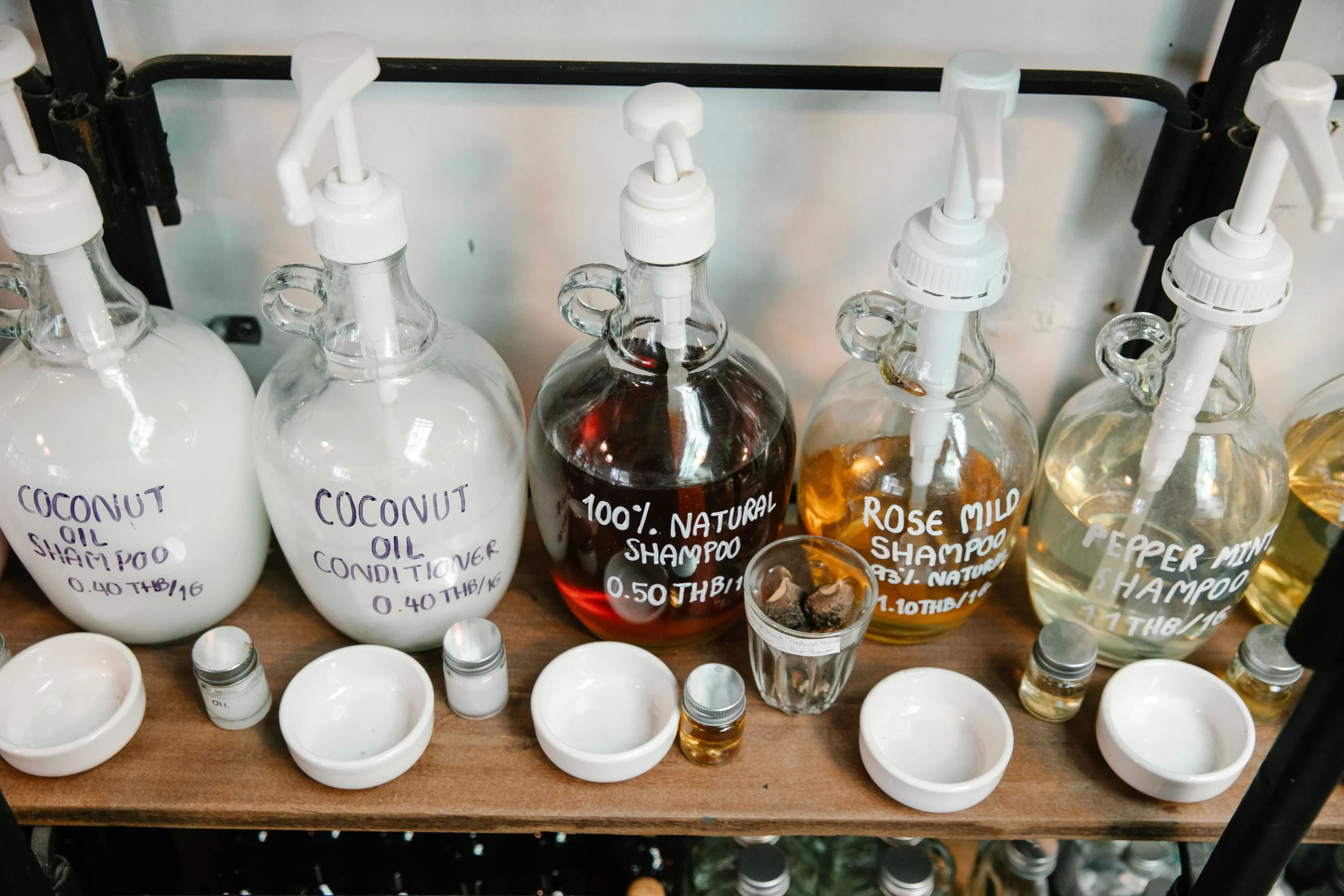
Finding the best dandruff shampoo often comes down to matching the right active ingredient to your scalp, rather than picking a specific brand. With so many options on the shelf, it helps to understand what actually makes a dandruff shampoo work, how to use it correctly, and when flakes might signal something that needs a healthcare provider's attention. This guide breaks down what to look for so you can choose with confidence.
What Causes Dandruff?
Dandruff is generally associated with an overgrowth of a yeast-like organism called Malassezia that naturally lives on the scalp, along with excess oil production and irritation of the skin. This can lead to faster shedding of skin cells, which shows up as visible white or yellowish flakes, and it may be accompanied by an itchy or oily scalp. Dandruff is common and not related to poor hygiene, though certain factors, including dry skin, sensitivity to hair products, and some skin conditions, can make it more likely.
What to Look for in a Dandruff Shampoo
Effective dandruff shampoos work through a specific active ingredient rather than fragrance or marketing claims. Checking the label for one of the following ingredients can help you choose a shampoo more likely to make a difference.
Zinc Pyrithione
Zinc pyrithione is one of the most common and well-studied dandruff shampoo ingredients. It works by reducing the growth of the yeast associated with dandruff and is generally considered gentle enough for regular use, making it a reasonable starting point for mild to moderate dandruff.
Ketoconazole
Ketoconazole is an antifungal ingredient available in both over-the-counter and prescription-strength shampoos. It targets the same yeast associated with dandruff and is often recommended when milder options have not provided enough relief.
Selenium Sulfide
Selenium sulfide is another antifungal ingredient used in dandruff shampoos, often positioned for more stubborn or severe flaking. It can be effective, though it may require careful rinsing and is sometimes associated with a distinct scent or, in some formulations, a temporary change in hair color that typically resolves after rinsing.
Salicylic Acid and Coal Tar
Salicylic acid works by helping the scalp shed dead skin cells more evenly, which can reduce visible flaking, though it does not address the yeast some other ingredients target. Coal tar shampoos help slow down skin cell turnover on the scalp and have long been used for dandruff and certain other scalp conditions, though they can have a stronger odor and, in some people, may increase sun sensitivity.
Talk to a Doctor
Get Answers to Your Health Questions
Connect with health professionals — anytime, from anywhere.
Talk to a Doctor
Get Answers to Your Health Questions
Connect with health professionals — anytime, from anywhere.
How to Use Dandruff Shampoo Effectively
Many dandruff shampoos work best when left on the scalp for several minutes before rinsing, rather than washed out immediately, since the active ingredient needs contact time to work. Instructions vary by product, so it is worth checking the label for specific guidance. If one shampoo does not seem to help after a few weeks of consistent use, switching to a product with a different active ingredient, or alternating between two, may work better than continuing with one that is not showing results.
Matching a Shampoo to Your Scalp and Hair Type
People with oily scalps may benefit from more frequent washing with a dandruff shampoo, while those with dry or sensitive scalps may want to look for gentler formulas and use dandruff shampoo less often, alternating with a regular gentle shampoo. Color-treated or chemically processed hair may also call for a milder active ingredient, since some dandruff shampoo ingredients can affect hair color or texture with frequent use.
Dandruff Shampoo and Thinning Hair
Dandruff and hair thinning are separate concerns, but they can affect the same person at the same time, and an irritated or inflamed scalp is not an ideal environment for healthy hair growth. If you are managing both, look for a formula among the best shampoo for thinning hair options that is also gentle enough not to aggravate the scalp, and avoid harsh sulfates that can add to irritation. A dermatologist can help you find a routine that addresses both concerns without one treatment undermining the other.
When Dandruff Shampoo Isn’t Enough
If flaking persists despite consistent use of an appropriate dandruff shampoo, or if you notice thick, greasy scales, redness, significant itching, or flaking beyond the scalp, this may point to a related condition such as seborrheic dermatitis or another skin condition that benefits from a healthcare provider's evaluation. A dermatologist can confirm the cause and recommend a treatment suited to your specific scalp.
Frequently Asked Questions
Which is the most effective dandruff shampoo?
There is no single shampoo that works best for everyone, since effectiveness depends on the cause and severity of dandruff and how your scalp responds to a given active ingredient. Zinc pyrithione and ketoconazole are commonly recommended starting points, with selenium sulfide or coal tar options considered for more persistent cases.
What is the very best shampoo for dandruff?
The best option is generally the one that matches your dandruff severity and scalp sensitivity, used consistently and left on for the recommended time. If a shampoo with one active ingredient does not help after a few weeks, trying a different active ingredient or speaking with a dermatologist is a reasonable next step.
Conclusion
Choosing the best dandruff shampoo comes down to understanding which active ingredients address your specific scalp needs and using the product consistently and correctly. Most people see improvement with an over-the-counter option, but persistent or severe symptoms are worth discussing with a healthcare provider to rule out other scalp conditions and find the right long-term routine.
References
American Academy of Dermatology Association — How to Treat Dandruff — https://www.aad.org/news/how-to-treat-dandruff
MedlinePlus (NIH) — Dandruff — https://medlineplus.gov/ency/article/000834.htm