
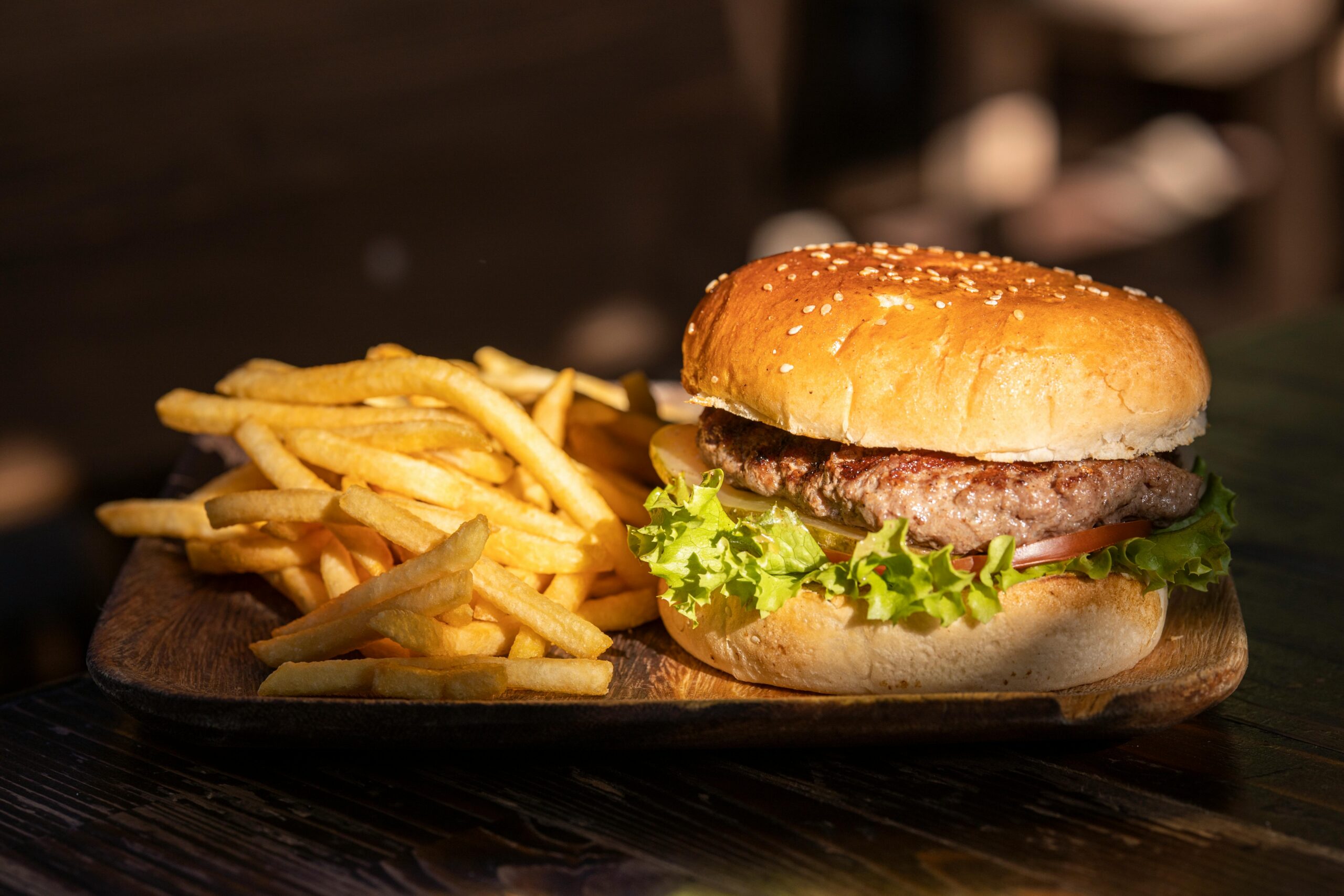
Whataburger Nutrition Explained: Benefits and How to Use It Wisely
Understanding Whataburger as a Dining Option
When it comes to fast-casual dining, Whataburger offers customers the ability to customize meals according to personal preferences. This flexibility has made it popular across multiple locations, particularly in the southwestern United States. However, understanding the nutritional content of menu items remains essential for individuals who frequent these establishments or incorporate them into their regular eating patterns.
The modern food landscape requires consumers to balance convenience with nutritional awareness. Many people rely on quick-service restaurants for meals due to busy schedules, work demands, and lifestyle factors. Rather than avoiding these venues entirely, developing knowledge about available options and making informed choices can help maintain overall dietary health.
Breaking Down Nutritional Components
Caloric Content Across Menu Categories
Whataburger menu items vary significantly in caloric density. Burgers typically range from 500 to 900 calories depending on size and toppings. A basic single burger provides a reasonable baseline, while double burgers and specialty burgers contain substantially more calories. Chicken sandwiches generally fall into the 400 to 700 calorie range, offering an alternative protein source for those seeking variety.
Breakfast items present different nutritional profiles. Breakfast sandwiches can range from 450 to 750 calories, while egg-based breakfast plates vary widely based on accompanying sides. Understanding these variations helps diners make selections aligned with their daily caloric intake goals.
Sodium and Sodium Considerations
One significant concern with fast-casual dining involves sodium content. Many Whataburger items contain elevated sodium levels, often ranging from 800 to 2,000 milligrams per serving. The American Heart Association recommends limiting daily sodium intake to approximately 2,300 milligrams, making a single fast-food meal potentially represent a substantial portion of daily recommendations.
The sodium primarily comes from prepared meats, cheese, sauces, and seasoning. Even seemingly lighter options like chicken sandwiches can contain significant sodium amounts. Reading nutritional information before ordering helps identify lower-sodium alternatives when available.
Protein and Macronutrient Balance
Whataburger items generally provide adequate protein content, which supports satiety and helps individuals feel satisfied longer after eating. Most burgers contain 20 to 35 grams of protein, while chicken sandwiches offer similar amounts. This protein content makes these items functional components of meals rather than empty-calorie options.
Fat content varies considerably across menu selections. Fried items contain higher fat amounts compared to grilled alternatives. Understanding fat composition helps individuals managing cholesterol levels or following specific dietary guidelines make appropriate choices.
Talk to a Doctor
Get Answers to Your Health Questions
Connect with health professionals — anytime, from anywhere.
Talk to a Doctor
Get Answers to Your Health Questions
Connect with health professionals — anytime, from anywhere.
Making Healthier Menu Selections
Customization Strategies
The customizable nature of Whataburger provides opportunities to reduce caloric and sodium intake. Requesting half portions of cheese, omitting special sauces, and adding vegetable toppings increases nutritional value without eliminating menu favorites.
Choosing grilled preparation methods over fried options substantially reduces fat and calorie content. A grilled chicken sandwich contains approximately 200 fewer calories compared to a fried version. This single modification demonstrates how preparation method significantly impacts nutritional outcomes.
Side Dish Considerations
Traditional side selections like French fries contribute substantial calories and sodium. A regular order of fries contains approximately 400 calories and 300 milligrams of sodium. Substituting sides with fruit cups, salads, or other vegetable-based options provides volume and nutrients with fewer calories.
When side alternatives remain limited, selecting smaller portions of traditional items helps control overall intake. Some locations offer apple slices or side salads as healthier accompaniments to main dishes.
Beverage Selection Impact
Beverages significantly influence total meal nutrition. Standard soft drinks contain 250 to 300 calories per serving and contribute excessive added sugars. Choosing water, unsweetened tea, or diet beverages eliminates these calories while maintaining hydration.
Limiting beverage calories allows more flexibility within daily caloric budgets for nutritious food choices. This simple substitution often represents one of the most impactful changes individuals can make at fast-casual establishments.
Nutritional Planning and Frequency Considerations
Integrating Fast-Casual Dining Into Overall Diet
Occasional consumption of Whataburger items fits within balanced eating patterns for most people. The key involves maintaining overall dietary consistency and making conscious selections that align with personal nutritional goals.
Individuals eating at such establishments once or twice weekly can accommodate typical menu items without derailing nutritional objectives. However, more frequent consumption requires greater attention to portion sizes and item selection to manage cumulative sodium, fat, and calorie intake.
Reading and Using Nutritional Information
Whataburger provides nutritional information for menu items both in-restaurant and online. Reviewing this information before visiting enables informed decision-making and prevents impulsive selections. Most nutritional information includes calories, fat, sodium, carbohydrates, and protein content.
Comparing similar items reveals significant variations in nutritional profiles. A grilled chicken sandwich might contain 350 calories while a beef burger version contains 600 calories. These comparisons help identify options that provide satisfaction while meeting personal nutritional preferences.
Special Populations and Considerations
Managing Specific Dietary Needs
Individuals with dietary restrictions benefit from Whataburger's customization options. Those limiting sodium can request items prepared without added salt and with reduced sauce. People following reduced-carbohydrate approaches can request lettuce wraps instead of buns.
Vegetarian customers can create meals using bean options and vegetable selections available at most locations. While limited compared to meat options, these alternatives provide viable choices for individuals with plant-based preferences.
Portion Control Strategies
Ordering smaller portion sizes represents a straightforward approach to managing caloric intake. Many individuals eat significantly more food simply because larger portions are available. Requesting children's portions or sharing items with companions provides satisfaction while reducing overall consumption.
Key Takeaways for Informed Choices
Understanding Whataburger nutrition empowers individuals to make selections that balance convenience with health objectives. The customizable menu structure allows meaningful modifications that reduce calories, sodium, and fat content when individuals know which options to request.
Frequency of consumption matters significantly. Occasional visits accommodate most menu items within balanced eating patterns. More regular consumption requires greater selectivity regarding portions and preparation methods.
Reading available nutritional information before ordering enables informed decision-making. Comparing similar items often reveals substantial variations in nutritional profiles, helping identify options that align with personal goals and dietary needs.