
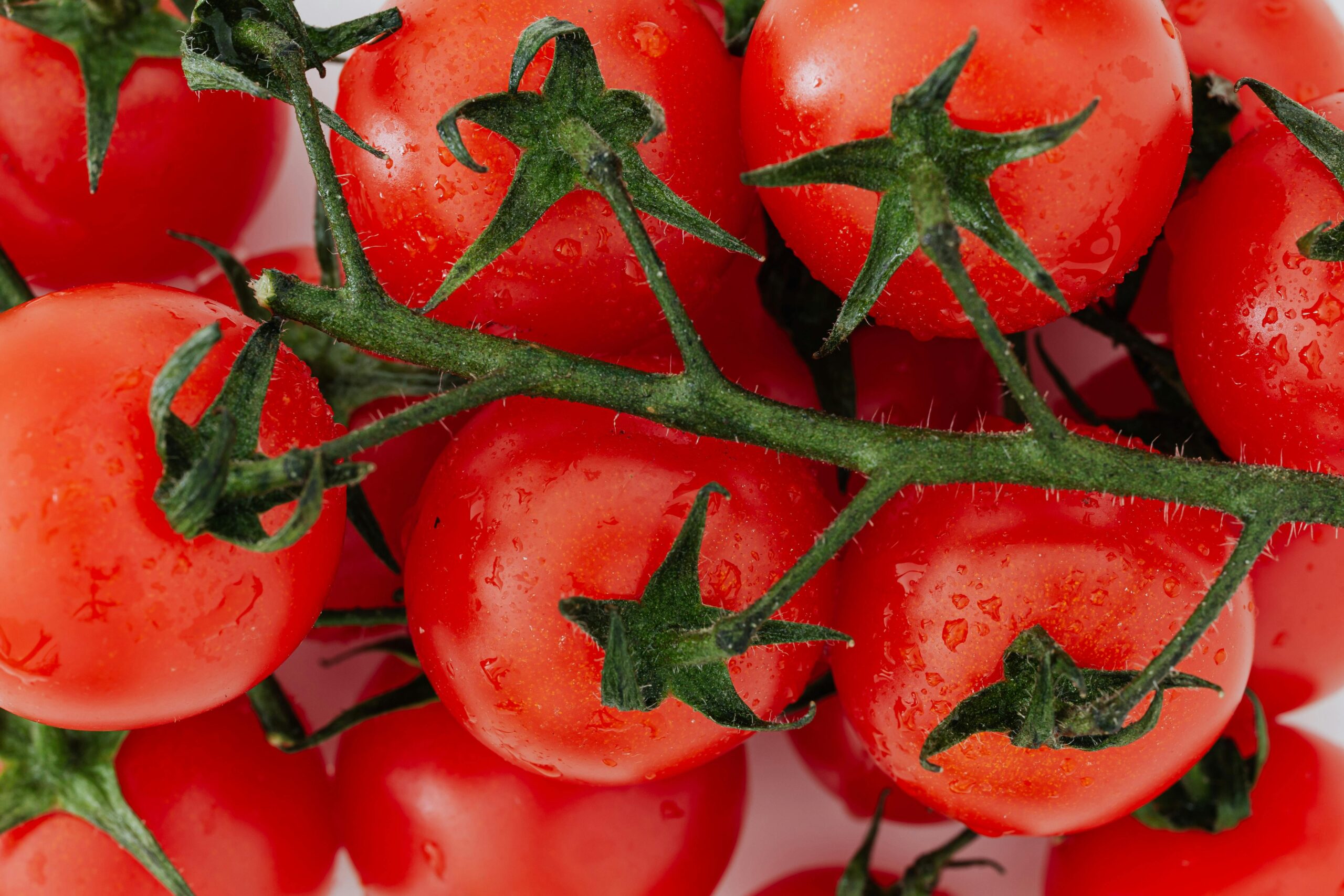
What Is Carbs in Tomato? Benefits, Uses and What to Know
Understanding Tomato Carbohydrates
Tomatoes are a staple ingredient in cuisines worldwide, valued for their versatility and flavor. When considering the nutritional profile of tomatoes, understanding their carbohydrate content is essential for anyone monitoring their dietary intake. A medium-sized raw tomato, approximately 123 grams, contains roughly 4.8 grams of carbohydrates. Of these carbohydrates, about 1.5 grams come from dietary fiber, which means the net carbohydrates are closer to 3.3 grams per medium tomato. This relatively low carbohydrate content makes tomatoes an excellent choice for individuals following various dietary approaches, including those monitoring their carbohydrate intake. The carbohydrates present in tomatoes are primarily composed of naturally occurring sugars and fiber, making them nutrient-dense rather than calorie-heavy.
Nutritional Breakdown of Tomatoes
Carbohydrate Composition
When examining the carbohydrate structure within tomatoes, it is important to recognize that not all carbohydrates are equal. Tomatoes contain both simple sugars and complex carbohydrates in the form of dietary fiber. The fiber content plays a crucial role in digestive health and nutrient absorption.
A single medium tomato provides:
- Total carbohydrates: 4.8 grams
- Dietary fiber: 1.5 grams
- Sugars: 3.2 grams
- Net carbohydrates: 3.3 grams
Additional Nutritional Elements
Beyond carbohydrates, tomatoes offer an impressive array of vitamins and minerals. One medium tomato contains approximately 27 calories, making it an excellent low-calorie food option. Tomatoes are rich in vitamin C, providing about 17 percent of the daily recommended value per medium fruit. They also contain potassium, vitamin K, and folate, which contribute to overall nutritional health. The presence of these nutrients alongside the relatively low carbohydrate content demonstrates why tomatoes remain a cornerstone of nutritious dietary patterns across various cultures and health frameworks.
Talk to a Doctor
Get Answers to Your Health Questions
Connect with health professionals — anytime, from anywhere.
Talk to a Doctor
Get Answers to Your Health Questions
Connect with health professionals — anytime, from anywhere.
Key Health Benefits of Tomatoes
Rich in Antioxidants
One of the most notable health benefits of tomatoes is their antioxidant content. Lycopene, a powerful carotenoid pigment responsible for the tomato's red color, serves as a potent antioxidant. This compound has been extensively studied for its role in supporting cardiovascular health and cellular protection against oxidative stress. Ripe tomatoes contain higher concentrations of lycopene compared to unripe varieties. When tomatoes are cooked or processed, the lycopene becomes more bioavailable, meaning the body can absorb and utilize it more efficiently. This makes cooked tomatoes, tomato paste, and tomato sauce particularly beneficial choices.
Heart Health Support
The combination of lycopene, potassium, and vitamin C in tomatoes supports cardiovascular wellness. Potassium helps maintain healthy blood pressure levels by balancing sodium intake and supporting arterial function. The fiber content aids in maintaining healthy cholesterol levels, contributing to overall heart health when tomatoes are incorporated as part of a balanced diet.
Digestive Health Benefits
The dietary fiber present in tomatoes promotes healthy digestive function. Fiber supports regular bowel movements and feeds beneficial bacteria in the gut microbiome. A healthy digestive system is foundational to overall wellness and nutrient absorption throughout the body.
Eye Health
Tomatoes contain lutein and zeaxanthin, two carotenoids that accumulate in the eyes and support vision health. These compounds help protect against age-related vision changes and support overall eye function. The vitamin C content further supports eye health by protecting eye tissues from oxidative damage.
Uses and Preparation Methods
Fresh Tomato Applications
Fresh tomatoes can be incorporated into salads, served alongside proteins, or used as a base for fresh salsas and gazpacho. Their low carbohydrate content makes them suitable for various dietary approaches without contributing significantly to daily carbohydrate totals.
Cooked Tomato Products
Tomato Sauce and Paste
Cooking tomatoes concentrates their nutrients and increases lycopene bioavailability. Making homemade tomato sauce allows control over added ingredients, ensuring minimal added sugars or sodium. Tomato paste, created by cooking down tomatoes and straining out skins and seeds, provides an even more concentrated source of nutrients.
Soups and Stews
Incorporating tomatoes into soups and stews creates satisfying, nutrient-dense meals. The cooking process breaks down cell walls, making nutrients more accessible to the digestive system. These preparations can be adapted to fit various dietary preferences and nutritional goals.
Cooking Considerations
When preparing tomatoes, it is worth noting that the addition of oils, fats, or other ingredients during cooking can increase caloric density while enhancing the absorption of fat-soluble nutrients like lycopene. Olive oil, for example, pairs well with tomato dishes and provides additional health benefits through its own nutrient profile.
Tomatoes in Different Diets
Low-Carbohydrate Approaches
For individuals following low-carbohydrate dietary plans, tomatoes present an opportunity to include flavorful vegetables without derailing nutritional goals. The net carbohydrate content remains manageable in standard portions, making fresh tomatoes a reasonable choice.
Mediterranean and Traditional Diets
Tomatoes form a fundamental component of Mediterranean cuisine, supporting longevity and health outcomes observed in populations following this eating pattern. The combination of fresh tomatoes, olive oil, and whole grains creates a naturally balanced nutritional profile.
Plant-Based Eating
Tomatoes support plant-based diets by providing essential nutrients, particularly when raw or lightly cooked. Their versatility allows them to function as a vegetable base, sauce component, or fresh addition to meals.
Considerations for Regular Consumption
Portion Control
While tomatoes offer significant nutritional benefits, maintaining appropriate portion sizes supports balanced dietary intake. Standard recommendations suggest treating tomatoes as a vegetable rather than a primary carbohydrate source, incorporating them alongside other food groups.
Selection and Storage
Choosing ripe, flavorful tomatoes ensures maximum nutrient content and satisfaction. Storage at room temperature preserves lycopene content better than refrigeration, as cold temperatures can slow nutrient retention. Consuming tomatoes near their peak ripeness maximizes both flavor and nutritional benefit.
Individual Variations
Nutritional content varies slightly between tomato varieties. Cherry tomatoes, heirloom varieties, and standard slicing tomatoes may differ marginally in carbohydrate and nutrient concentrations. These variations remain minor enough that variety selection can be based on flavor preference and culinary application.
Conclusion
Tomatoes represent a nutritionally rich, low-carbohydrate addition to balanced eating patterns. With approximately 4.8 grams of carbohydrates per medium tomato and significant fiber content, they offer substantial nutritional benefit without substantially impacting daily carbohydrate totals. The presence of lycopene, vitamins, minerals, and antioxidants makes tomatoes valuable for supporting various aspects of health, from cardiovascular function to digestive wellness and eye health. Understanding the nutritional profile of tomatoes empowers informed dietary choices. Whether consumed fresh in salads, cooked into sauces, or incorporated into soups and stews, tomatoes provide versatile options for creating nutritious, satisfying meals. Regular inclusion of tomatoes as part of a balanced dietary approach supports long-term health outcomes and contributes to dietary enjoyment and cultural food traditions.
Reference
Kemmler W, Stengel S. (2011). The Intensity and Effects of Strength Training in the Elderly. Deutsches Ärzteblatt International, 108(21), 359-364. https://pmc.ncbi.nlm.nih.gov/articles/PMC3117172/
Additional Source Reference: Centers for Disease Control and Prevention. Vegetables and Fruits. Available at: https://www.cdc.gov/