
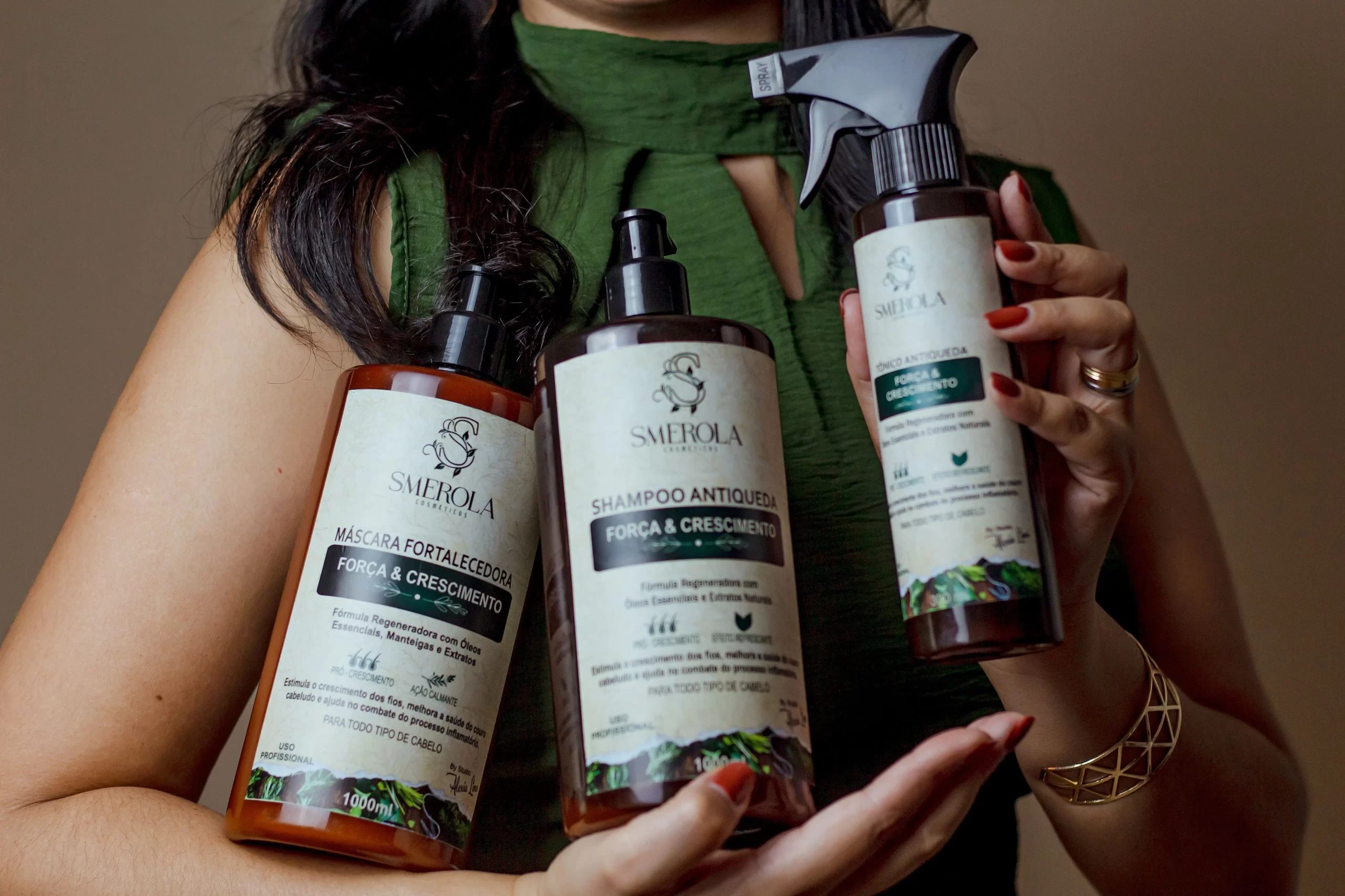
There's no single shampoo that's universally “best” for hair loss, and it's worth being upfront about that before naming any product. Rather than chase a brand name, it's more useful to understand which shampoo ingredients actually have research behind them, what role shampoo realistically plays alongside other treatments, and how to evaluate marketing claims critically. This guide focuses on the evidence, not the marketing.
Can Shampoo Really Treat Hair Loss?
Shampoo has a fundamentally different role than a leave-on treatment like topical minoxidil, since it's rinsed off after a few minutes rather than staying in contact with the scalp. That doesn't mean shampoo is useless for hair loss, but its realistic role is generally supportive: managing scalp conditions that can contribute to shedding, delivering certain active ingredients with some evidence behind them, and avoiding products that make things worse through irritation or excessive stripping. For most people with a diagnosed hair loss condition, shampoo works best as a complement to, not a replacement for, evidence-based treatments like topical minoxidil, oral finasteride, or treatments specific to alopecia areata.
Evidence-Based Ingredients to Look For
Ketoconazole
Ketoconazole is the shampoo ingredient with the most meaningful research behind it for hair loss specifically. A well-known 1998 study found that 2% ketoconazole shampoo improved hair density and the proportion of hairs in the active growth phase to a similar degree as 2% minoxidil solution over the same period. A more recent systematic review found consistent, though still limited, evidence supporting topical ketoconazole as a helpful adjunct for androgenetic alopecia, thought to work through both antifungal and mild anti-androgen effects. It's generally discussed as a complementary option alongside minoxidil or finasteride, rather than a standalone replacement for either.
Zinc Pyrithione and Piroctone Olamine
These antidandruff ingredients help manage scalp inflammation and Malassezia yeast overgrowth, which can contribute to hair shedding when a scalp condition like seborrheic dermatitis is present. A comparative study found modest reductions in hair shedding with 1% formulations of these ingredients, along with ketoconazole, though ketoconazole showed a somewhat stronger effect on hair thickness in that comparison.
Caffeine
Caffeine has shown some ability to stimulate hair follicle activity in laboratory and small clinical studies, but the evidence in real-world shampoo use, where contact time with the scalp is brief, is considerably weaker than for ketoconazole or minoxidil. It's reasonable as a low-risk addition to a routine, but not something to rely on as a primary approach.
Saw Palmetto
Saw palmetto is a plant extract marketed as a natural DHT blocker. Some small studies suggest a modest benefit for hair density, but the overall evidence base is much smaller and less consistent than for FDA-approved options like minoxidil and finasteride.
Biotin and Other Vitamins
Biotin, niacin, and similar ingredients are common in hair loss shampoo marketing, but current evidence suggests they mainly help when there's an actual, confirmed deficiency, which is uncommon in people who are otherwise healthy. For most people without a diagnosed deficiency, these ingredients are unlikely to meaningfully affect hair loss on their own.
Talk to a Doctor
Get Answers to Your Health Questions
Connect with health professionals — anytime, from anywhere.
Talk to a Doctor
Get Answers to Your Health Questions
Connect with health professionals — anytime, from anywhere.
Claims Worth Being Skeptical Of
Shampoos marketed as “clinically proven” to regrow hair deserve a closer look at what was actually studied, since this phrase is sometimes used loosely to describe a single small, industry-funded study rather than robust, independent evidence. Similarly, broad “DHT-blocking” claims for rinse-off products should be weighed against how briefly shampoo actually contacts the scalp compared to a leave-on treatment. Asking a dermatologist about a specific product's evidence, rather than relying on the marketing copy alone, is a reasonable way to evaluate these claims.
Choosing a Shampoo Based on Your Situation
- If you have diagnosed androgenetic alopecia and are already using minoxidil or finasteride, a ketoconazole-containing shampoo is a reasonable, evidence-supported complementary addition to discuss with your dermatologist.
- If your scalp is also flaky, itchy, or oily, a medicated shampoo addressing dandruff or seborrheic dermatitis may help with shedding linked to that inflammation; see our related guide on dandruff treatment for more detail.
- If your main concern is breakage rather than reduced density from the follicle itself, a gentle, moisturizing shampoo matched to your hair type matters more than a hair-loss-specific formula; see our related guide on hair breakage.
- If you haven't been diagnosed, seeing a dermatologist first will do more for choosing an effective approach than shampoo shopping alone.
Evaluating Hair Product Safety Claims
As you research shampoo options, you may come across viral claims about specific ingredients or brands causing unrelated harm. If you've seen circulating claims connecting a popular hair treatment brand to infertility, our related guide on Olaplex and infertility walks through where that specific claim actually came from and what the evidence shows, which can be a useful model for evaluating similar claims about other products.
When Shampoo Isn’t Enough
If you're experiencing noticeable thinning, patchy hair loss, or a receding hairline, shampoo alone is unlikely to meaningfully change the underlying process. Our related guides on baldness and hair regrowth cover the treatments with the strongest evidence, and a dermatologist can help confirm the cause of your hair loss and recommend a plan suited to it.
Frequently Asked Questions
What is the best hair loss shampoo?
There's no single shampoo that's universally best, since the right choice depends on the cause of your hair loss and what you're already using alongside it. Among individual ingredients, ketoconazole has the most research behind it specifically for hair loss, with evidence suggesting it can meaningfully support hair density as a complement to treatments like minoxidil. Rather than looking for one specific product, it's more useful to check the active ingredients and discuss options with a dermatologist based on your specific diagnosis.
What is the most recommended shampoo for hair loss?
Dermatologists more often recommend based on active ingredient than a specific brand. Ketoconazole-containing shampoos, available over the counter at 1% strength or by prescription at 2%, are commonly recommended as a complementary option for androgenetic alopecia, particularly alongside topical minoxidil. For hair loss linked to a scalp condition like dandruff or seborrheic dermatitis, medicated shampoos targeting that specific condition are typically recommended first. A dermatologist can give a recommendation tailored to your specific type and cause of hair loss.
Conclusion
No single shampoo is universally the “best” for hair loss, but some ingredients, particularly ketoconazole, have real evidence supporting a complementary role alongside treatments like minoxidil and finasteride. Shampoo works best as one part of a broader, evidence-based approach rather than a standalone solution, and the right choice depends heavily on your specific type and cause of hair loss. A dermatologist can help confirm your diagnosis and recommend ingredients and treatments genuinely suited to your situation.
Doc Med Center provides health information for general educational purposes only. This content is not a substitute for professional medical advice, diagnosis, or treatment. Speak with a qualified healthcare professional about your individual health concerns.
References
Fields J, et al. — Topical Ketoconazole for the Treatment of Androgenetic Alopecia: A Systematic Review (Dermatologic Therapy, 2020): https://onlinelibrary.wiley.com/doi/10.1111/dth.13202
Piérard-Franchimont C, et al. — Ketoconazole Shampoo: Effect of Long-Term Use in Androgenic Alopecia (Dermatology, 1998): https://pubmed.ncbi.nlm.nih.gov/9669136/
Gupta AK, Talukder M — Role of Topical Ketoconazole in Therapeutic Hair Care Beyond Seborrhoeic Dermatitis and Dandruff (JEADV Clinical Practice, 2025): https://onlinelibrary.wiley.com/doi/full/10.1002/jvc2.70026
American Academy of Dermatology — Hair Loss: Diagnosis and Treatment: https://www.aad.org/public/diseases/hair-loss/treatment