
The Beginner’s Guide to Pinto Beans Nutrition: Health Benefits and How to Include Them in Your Diet
Understanding Pinto Beans and Their Nutritional Profile
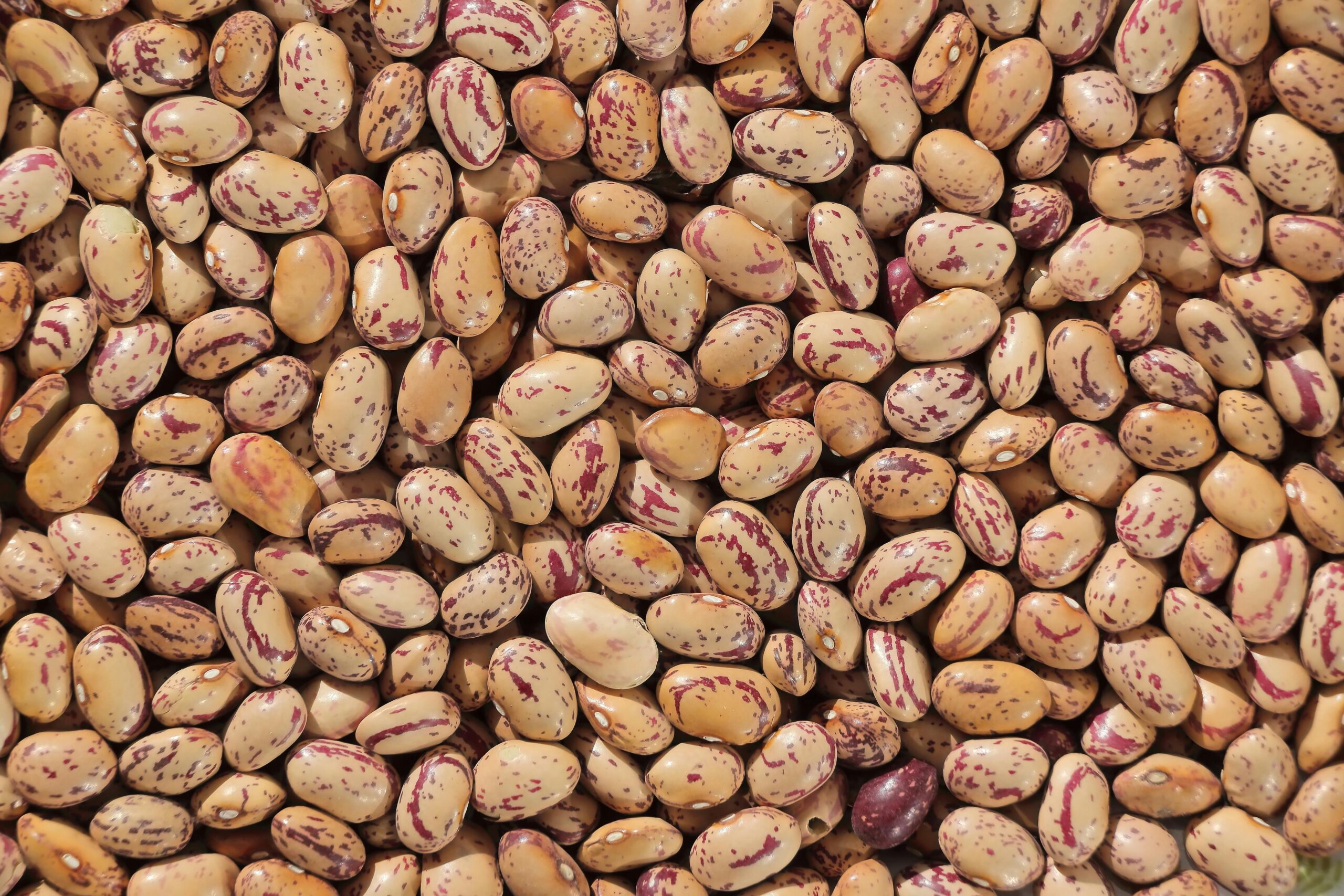
Pinto beans are a staple legume that has been cultivated and consumed for thousands of years, particularly in Latin American and southwestern United States cuisines. These kidney-shaped beans are characterized by their tan color with reddish-brown streaks, which become more uniform when cooked. Beyond their culinary appeal, pinto beans offer a remarkable nutritional composition that makes them an excellent addition to any dietary plan. One cup of cooked pinto beans, weighing approximately 171 grams, contains roughly 245 calories and provides substantial amounts of essential nutrients. Understanding these nutritional components is fundamental for anyone looking to maximize the health benefits of this humble legume.
Key Nutritional Components of Pinto Beans
Protein Content
Pinto beans are recognized as a high-quality plant-based protein source, containing approximately 15 grams of protein per cooked cup. This protein content makes them particularly valuable for individuals following vegetarian or vegan diets, as well as those seeking to diversify their protein sources. The protein in pinto beans contains all nine essential amino acids, though they are somewhat lower in methionine compared to animal-based proteins.
Fiber Benefits
Dietary fiber stands out as one of the most significant nutritional advantages of pinto beans. A single cup of cooked pinto beans delivers approximately 15 grams of fiber, contributing substantially toward the recommended daily intake of 25 to 35 grams for most adults. This fiber content comprises both soluble and insoluble varieties, each offering distinct health advantages. Soluble fiber helps regulate blood sugar levels and supports healthy cholesterol management, while insoluble fiber promotes digestive regularity and supports gastrointestinal health.
Micronutrient Density
Pinto beans are nutrient-dense foods that provide significant quantities of several essential minerals and vitamins: Minerals Present in Pinto Beans:
- Folate (vitamin B9): approximately 294 micrograms per cooked cup
- Iron: about 3.6 milligrams per cooked cup
- Magnesium: roughly 95 milligrams per cooked cup
- Phosphorus: approximately 251 milligrams per cooked cup
- Potassium: about 746 milligrams per cooked cup
- Zinc: approximately 1.9 milligrams per cooked cup
These minerals play crucial roles in energy metabolism, bone health, immune function, and various enzymatic processes throughout the body.
Talk to a Doctor
Get Answers to Your Health Questions
Connect with health professionals — anytime, from anywhere.
Talk to a Doctor
Get Answers to Your Health Questions
Connect with health professionals — anytime, from anywhere.
Health Benefits of Regular Pinto Bean Consumption
Supporting Digestive Health
The high fiber content of pinto beans makes them beneficial for maintaining digestive system health. Fiber acts as a prebiotic, feeding beneficial bacteria in the colon and promoting a healthy microbiome. Regular consumption may contribute to improved digestive comfort and regularity.
Blood Sugar Management
The combination of protein, fiber, and complex carbohydrates in pinto beans creates a food with a low glycemic index. This means pinto beans release glucose gradually into the bloodstream, helping to maintain stable blood sugar levels throughout the day. This characteristic is particularly important for individuals monitoring their carbohydrate intake.
Heart Health Support
The soluble fiber found in pinto beans has been associated with improved cholesterol profiles. Additionally, the potassium content supports healthy blood pressure regulation, while the folate and magnesium contribute to cardiovascular function. The low sodium content of unsalted pinto beans makes them heart-friendly when prepared without excessive salt.
Weight Management Assistance
Pinto beans can be valuable allies in weight management efforts. The combination of protein and fiber promotes satiety, helping individuals feel fuller for longer periods. This may reduce overall calorie intake throughout the day, supporting healthy weight management goals.
Antioxidant Properties
Pinto beans contain various polyphenolic compounds that function as antioxidants in the body. These compounds help neutralize harmful free radicals and may contribute to reducing oxidative stress and inflammation.
Practical Ways to Incorporate Pinto Beans Into Your Diet
Simple Preparation Methods
Dried pinto beans require soaking before cooking, typically for 8 to 12 hours. After soaking and draining, they should be cooked in fresh water for 45 to 60 minutes until tender. Canned pinto beans offer convenience for those with time constraints, though rinsing them helps reduce sodium content if they are packed in salted water.
Meal Integration Ideas
Breakfast Options
- Add pinto beans to scrambled eggs for enhanced protein
- Mix into oatmeal with cinnamon for a unique morning bowl
- Incorporate into breakfast burritos with whole grain tortillas
Lunch and Dinner Suggestions
- Prepare hearty bean soups with vegetables and herbs
- Create Buddha bowls combining pinto beans with grains and vegetables
- Mix into salads for added protein and fiber
- Make bean-based chilis with tomatoes and spices
- Prepare bean dips and spreads for snacking
Snacking Options
- Roasted pinto beans seasoned with spices
- Homemade bean hummus served with vegetable sticks
Storage and Food Safety Considerations
Cooked pinto beans can be refrigerated in airtight containers for three to four days. They also freeze well for up to six months, making batch cooking an efficient strategy for meal planning. When storing, ensure containers are airtight to maintain freshness and prevent contamination.
Addressing Common Digestive Concerns
Some individuals experience digestive discomfort when consuming legumes like pinto beans, typically manifesting as bloating or gas. This occurs because beans contain oligosaccharides, which the human digestive system cannot fully break down. Several strategies can minimize this effect:
- Introduce pinto beans gradually into your diet
- Ensure adequate hydration
- Cook beans thoroughly
- Discard soaking water before cooking
- Consider adding digestive herbs like cumin or ginger during preparation
Conclusion
Pinto beans represent an accessible, affordable, and nutritionally powerful food option suitable for individuals at any stage of their wellness journey. Their combination of protein, fiber, and essential micronutrients makes them worthy of regular inclusion in a balanced diet. Whether you are exploring plant-based eating, seeking to increase dietary fiber intake, or simply looking to diversify your nutritional sources, pinto beans offer versatile and delicious possibilities. Beginning with small portions and gradually increasing consumption while experimenting with various recipes allows individuals to discover preparation methods and flavor combinations that align with their preferences and dietary goals.