
Potassium-Rich Foods: Benefits, Sources, and What You Need to Know
Understanding Potassium and Its Role in Health
Potassium is a vital mineral that plays a crucial role in maintaining optimal health and bodily function. As an electrolyte, potassium works alongside other minerals to regulate fluid balance, support muscle contractions, and maintain healthy nerve signals throughout your body. Understanding the importance of adequate potassium intake through food sources is essential for anyone seeking to improve their overall wellness.
The human body requires consistent potassium levels to function properly. This mineral helps your heart maintain a steady rhythm, supports bone health, and contributes to blood pressure regulation. Many people do not consume enough potassium through their daily diet, which can lead to imbalances that affect energy levels and physical performance.
Why Potassium Matters for Your Body
Cardiovascular Health Support
Potassium plays a significant role in cardiovascular wellness. This mineral helps regulate blood vessel function and supports healthy blood pressure levels when combined with a balanced diet. The relationship between adequate potassium consumption and heart health has been recognized by health professionals for decades. Maintaining proper potassium levels supports the electrical signals that coordinate your heartbeat and keep your circulatory system functioning efficiently.
Muscle Function and Recovery
Your muscles depend on potassium to contract and relax properly. Whether you engage in regular exercise or simply move throughout your day, potassium is essential for muscular function. Athletes and active individuals may have higher potassium requirements due to losses through sweat during physical activity. This mineral helps prevent muscle cramps and supports muscle strength during both daily activities and structured exercise routines.
Bone Strength and Mineral Balance
Emerging research suggests that potassium intake influences bone health and mineral density. When your body has adequate potassium, it helps maintain the pH balance necessary for bone mineral preservation. This becomes increasingly important as you age and bone health becomes a greater concern.
Talk to a Doctor
Get Answers to Your Health Questions
Connect with health professionals — anytime, from anywhere.
Talk to a Doctor
Get Answers to Your Health Questions
Connect with health professionals — anytime, from anywhere.
Top Potassium-Rich Food Sources
Fruits High in Potassium
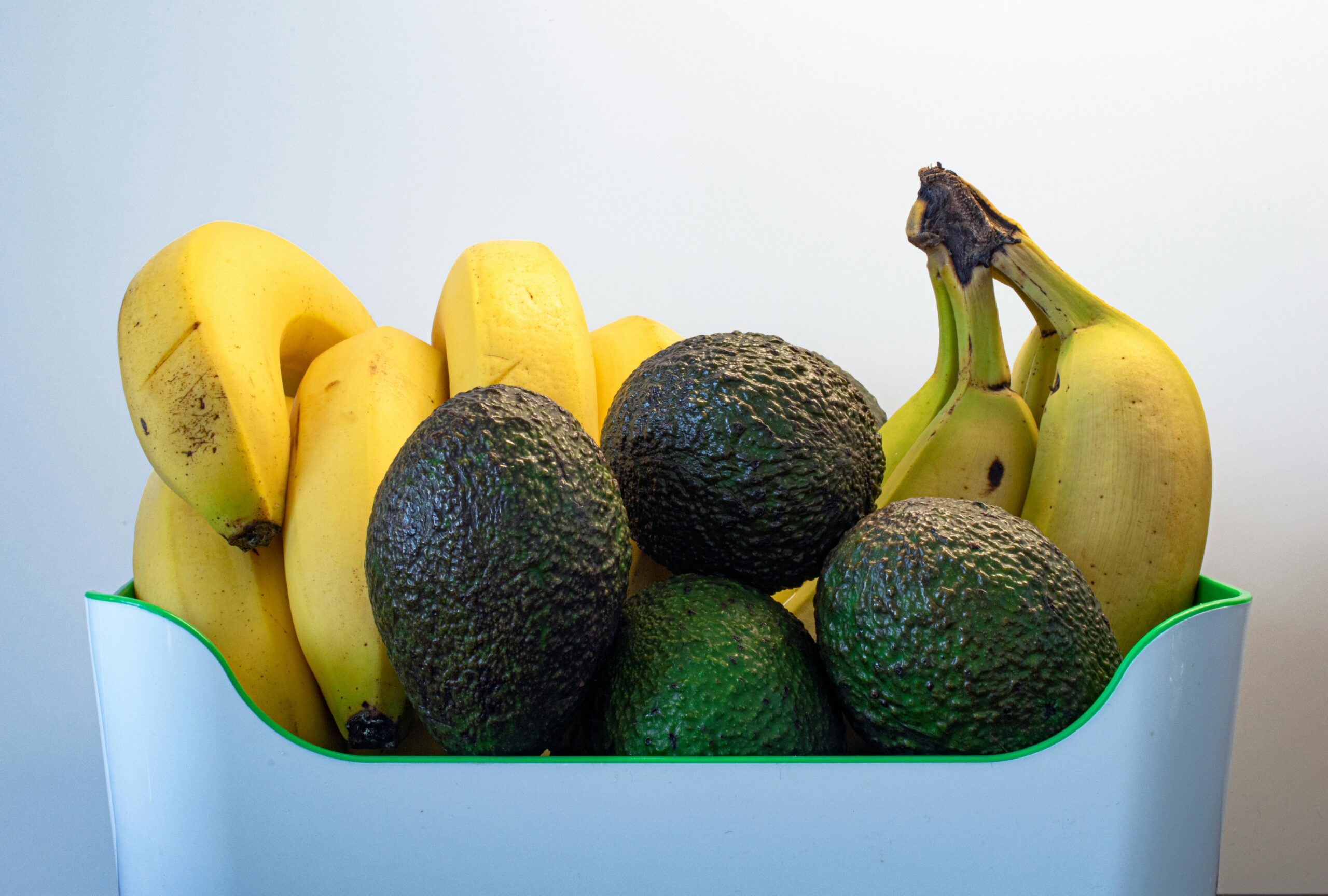
Bananas are commonly recognized as potassium sources, but many other fruits offer even higher concentrations of this important mineral. Apricots, particularly dried varieties, contain substantial amounts of potassium. Avocados stand out among fruits for their exceptional potassium content along with healthy fats. Cantaloupe, honeydew melon, and kiwi fruits also provide significant potassium levels and make excellent additions to your diet. Dates and figs offer concentrated sources of potassium and pair well with nuts for nutritious snacks. Pomegranates provide potassium along with antioxidants, making them valuable choices for overall health support.
Vegetables Packed with Potassium
Leafy greens like spinach and Swiss chard deliver substantial potassium content per serving. Sweet potatoes provide both potassium and complex carbohydrates, making them satisfying and nutritious. Tomatoes, whether fresh or in sauce form, contribute meaningful potassium amounts to your meals. Beans and legumes, including white beans, black beans, and lentils, represent some of the most potassium-dense food options available. Broccoli, Brussels sprouts, and other cruciferous vegetables offer potassium alongside beneficial compounds that support overall wellness. Winter squash varieties like butternut and acorn squash provide potassium and make for warming, satisfying meals.
Protein Sources with Potassium
Fish, particularly salmon and halibut, contain good potassium levels along with omega-3 fatty acids. Chicken and lean beef offer potassium as part of their nutritional profile. Nuts and seeds, including almonds, pistachios, and pumpkin seeds, provide potassium along with healthy fats and fiber.
Daily Potassium Intake Recommendations
Understanding Adequate Intake Levels
Health professionals generally recommend that most adults consume between 2,600 to 3,400 milligrams of potassium daily, depending on age, sex, and individual health circumstances. These recommendations aim to support optimal health and prevent deficiency-related issues. Individual needs may vary based on activity level, climate, and existing health conditions.
Practical Strategies for Meeting Potassium Needs
Meeting potassium requirements through food is straightforward when you include a variety of nutrient-dense foods in your diet. Rather than focusing on single sources, incorporating multiple potassium-rich foods throughout your day ensures consistent intake. A single baked sweet potato can provide over 600 milligrams of potassium, while a cup of cooked spinach delivers approximately 840 milligrams.
Incorporating Potassium-Rich Foods Into Your Diet
Meal Planning Tips
Start by identifying which potassium-rich foods you enjoy and building meals around those preferences. Smoothies combining banana, spinach, and berries provide quick potassium boosts. Soups and stews featuring beans, vegetables, and broth create satisfying meals that deliver concentrated potassium amounts.
Practical Daily Examples
Breakfast options might include oatmeal topped with sliced kiwi and almonds, or whole grain toast with avocado. Snacks can feature potassium-rich options like dried apricots, nuts, or plain yogurt with fruit. Lunch could include a salad with spinach, chickpeas, and tomatoes dressed with olive oil. Dinner options might feature baked salmon with sweet potato and broccoli, or lentil-based curry with vegetables.
Key Considerations and Balance
Maintaining proper electrolyte balance involves more than just potassium intake. This mineral works synergistically with sodium, magnesium, and calcium. While adequate potassium is important, balance with other minerals supports optimal bodily function. Most people focusing on whole food sources naturally achieve appropriate electrolyte balance without requiring supplementation. Staying adequately hydrated supports proper mineral distribution throughout your body. Water consumption should match your activity level and climate conditions. This fundamental aspect of wellness supports potassium and other mineral function.
Making Informed Nutritional Choices
Prioritizing whole food sources of potassium over processed alternatives provides additional nutritional benefits beyond the mineral itself. Fruits, vegetables, legumes, and unprocessed proteins deliver fiber, vitamins, and phytonutrients that work together to support health. Reading food labels helps identify potassium content in packaged foods, though fresh whole foods typically offer superior nutritional profiles. When preparing meals at home, you control ingredients and can emphasize potassium-rich components.
Conclusion
Potassium-rich foods form an important foundation of a balanced, health-supporting diet. From vibrant fruits and leafy greens to protein sources and legumes, numerous delicious options provide this essential mineral. By incorporating a variety of these foods into your daily meals, you support cardiovascular function, muscle health, and overall wellness. A straightforward approach focusing on whole foods delivers adequate potassium along with complementary nutrients that work together to optimize your health. Start identifying your favorite potassium sources and gradually build them into your regular eating patterns for sustainable nutritional benefits.
Reference
Kemmler W, Stengel S. (2011). The Intensity and Effects of Strength Training in the Elderly. Deutsches Ärzteblatt International, 108(21), 359-364. https://pmc.ncbi.nlm.nih.gov/articles/PMC3117172/