
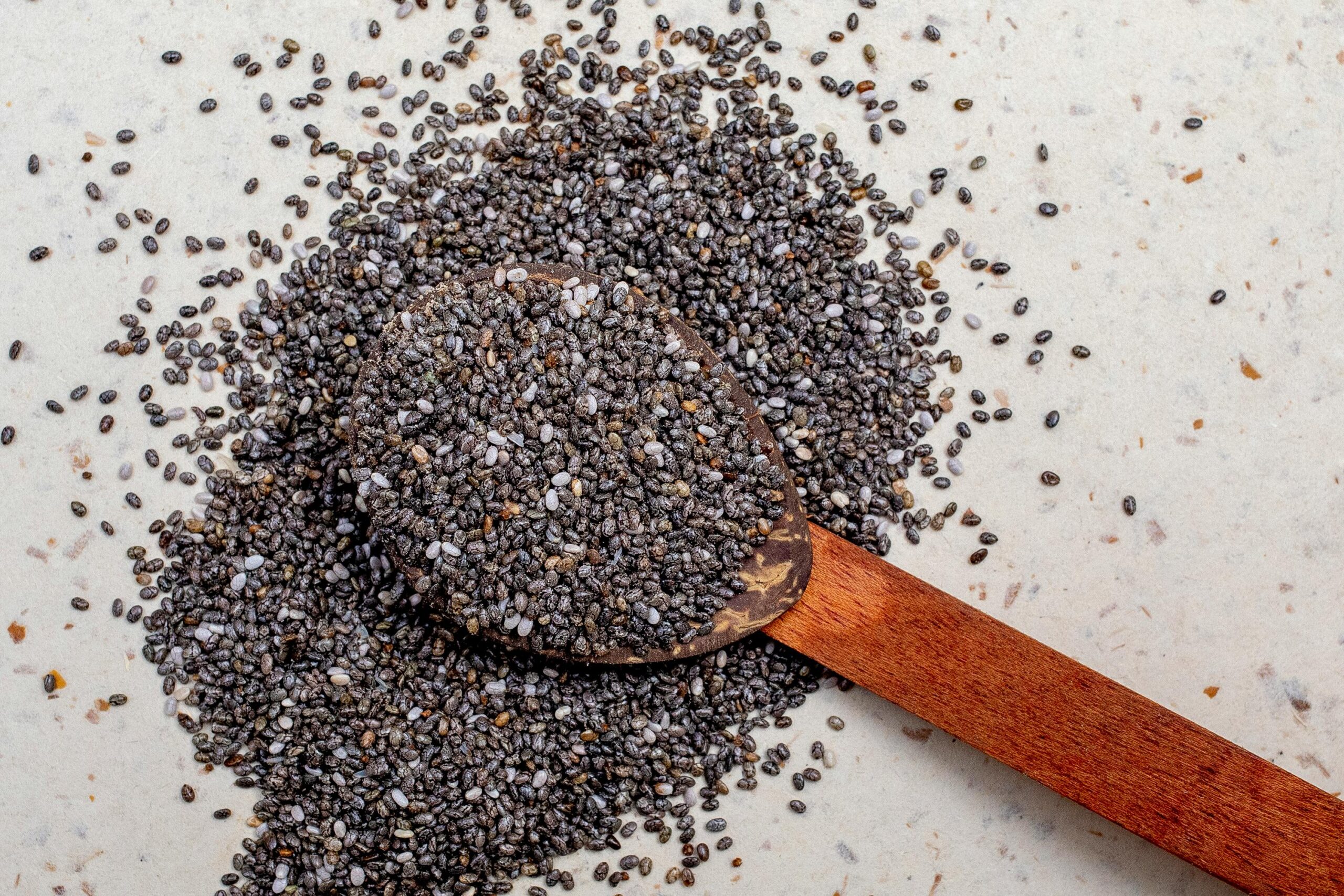
Everything You Need to Know About Chia Seeds Nutrition
Chia seeds have gained considerable attention in nutritional science over the past decade, emerging as a nutrient-dense food option for individuals seeking to enhance their dietary intake. These small black seeds, derived from the Salvia hispanica plant native to Central America, pack an impressive nutritional profile that warrants serious consideration for anyone interested in plant-based nutrition.
Understanding the Nutritional Composition of Chia Seeds
Macronutrient Profile
Chia seeds deliver a balanced macronutrient composition that distinguishes them from many conventional food sources. A single ounce of chia seeds, approximately 28 grams, contains roughly 138 calories while providing substantial nutritional value. The macronutrient breakdown includes approximately 8 grams of protein, 9 grams of fat, and 12 grams of carbohydrates. This combination makes chia seeds particularly valuable for individuals following diverse dietary approaches.
Protein Content and Amino Acid Composition
The protein content in chia seeds represents approximately 14 percent of their total weight, making them an excellent plant-based protein source. Unlike some plant proteins that lack complete amino acid profiles, chia seeds contain all nine essential amino acids necessary for human body functions. This characteristic proves especially beneficial for vegetarians and vegans seeking comprehensive protein alternatives to animal products.
Healthy Fats and Omega-3 Fatty Acids
Perhaps the most notable aspect of chia seed nutrition involves their exceptional omega-3 fatty acid content. These seeds deliver approximately 5 grams of alpha-linolenic acid per ounce, a plant-based omega-3 that supports cardiovascular and cognitive function. The fat profile in chia seeds demonstrates a favorable ratio of polyunsaturated to saturated fats, contributing to overall lipid management within dietary frameworks.
Micronutrient Analysis
Essential Minerals and Vitamins
Chia seeds contain an impressive array of micronutrients that contribute to daily recommended values. These seeds provide significant amounts of magnesium, which plays critical roles in muscle function and energy metabolism. Calcium content in chia seeds supports skeletal health, with approximately 177 milligrams per ounce. Additionally, chia seeds supply manganese, phosphorus, and zinc, minerals essential for various physiological processes.
Fiber Content and Digestive Health
The dietary fiber content in chia seeds represents one of their most significant nutritional attributes. Approximately 10 grams of dietary fiber exist in each ounce of chia seeds, with roughly 9.75 grams classified as insoluble fiber. This substantial fiber concentration supports digestive health by promoting regular bowel movements and feeding beneficial gut bacteria. The viscous nature of chia seed fiber, which absorbs water and forms a gel-like substance, contributes to satiety and may support healthy weight management discussions.
Talk to a Doctor
Get Answers to Your Health Questions
Connect with health professionals — anytime, from anywhere.
Talk to a Doctor
Get Answers to Your Health Questions
Connect with health professionals — anytime, from anywhere.
Health Benefits and Nutritional Advantages
Metabolic Support and Energy
Chia seeds demonstrate properties that may support metabolic function. The combination of protein, fiber, and healthy fats creates a food that promotes sustained energy release rather than rapid blood sugar spikes. This characteristic makes chia seeds particularly relevant for individuals managing energy levels throughout the day.
Cardiovascular Function
The omega-3 fatty acid content in chia seeds aligns with evidence-based nutritional approaches for supporting cardiovascular wellness. These plant-based omega-3s contribute to a dietary pattern associated with heart health when incorporated as part of a balanced nutritional approach.
Hydration and Nutrient Absorption
A unique characteristic of chia seeds involves their ability to absorb liquid up to ten times their weight. When consumed with adequate water, chia seeds expand in the stomach, promoting hydration at the cellular level and potentially supporting efficient nutrient absorption. This property proves particularly valuable for athletes and individuals in warm climates requiring enhanced hydration strategies.
Practical Integration into Daily Nutrition
Simple Incorporation Methods
Adding chia seeds to your dietary routine requires minimal preparation and effort. These seeds seamlessly integrate into numerous food applications without requiring cooking or additional processing.
Breakfast Applications
Chia seeds complement breakfast foods effectively. Sprinkling them over yogurt provides textural contrast while enhancing nutrient density. Mixing chia seeds into oatmeal increases fiber and protein content substantially. Creating chia pudding by combining seeds with milk alternatives and allowing them to sit overnight produces a nutritious, ready-made breakfast option requiring no cooking.
Beverage Integration
Chia seed drinks represent another straightforward incorporation method. Adding seeds to smoothies boosts nutritional value without significantly altering taste profiles. Simply stirring chia seeds into water creates a hydrating beverage, though allowing them to soak briefly enhances palatability and facilitates proper digestion.
Culinary Applications
Beyond breakfast applications, chia seeds enhance numerous other dishes. Incorporating them into salads adds nutritional density and textural interest. Baking chia seeds into breads, muffins, and granola bars provides convenient portable nutrition. Sprinkling seeds over soups creates additional nutritional layers without dramatically altering preparation complexity.
Recommended Intake and Practical Considerations
Optimal Daily Amounts
Research suggests that consuming one to two ounces of chia seeds daily provides meaningful nutritional benefits. This amount translates to approximately two to four tablespoons of seeds, an achievable quantity for most individuals integrating them into existing dietary patterns.
Hydration Requirements
When consuming chia seeds, adequate water intake becomes essential. The seeds' water-absorbing properties necessitate increased fluid consumption to prevent digestive discomfort. Consuming at least 8 to 10 glasses of water daily becomes important when including chia seeds in your nutrition plan.
Digestive Adaptation
Individuals new to chia seed consumption should introduce them gradually. Starting with smaller amounts and incrementally increasing intake allows the digestive system to adapt to the increased fiber content. This approach prevents potential bloating or digestive disturbances commonly associated with rapid fiber increase.
Storage and Quality Considerations
Maintaining Nutritional Integrity
Proper storage preserves chia seed nutrition and extends shelf life. Keeping seeds in cool, dry environments away from direct sunlight maintains their nutritional properties. Airtight containers provide optimal protection against moisture and oxidation. When stored appropriately, chia seeds maintain their nutritional value for extended periods, typically up to two years.
Sourcing Quality Seeds
Selecting high-quality chia seeds ensures maximum nutritional benefit. Choosing seeds from reputable sources that emphasize quality control and transparent sourcing practices increases likelihood of receiving genuinely nutrient-dense products. Organic varieties may appeal to individuals prioritizing pesticide-free options, though both conventional and organic chia seeds provide substantial nutritional value.
Conclusion
Chia seeds represent a genuinely nutrient-dense food worthy of inclusion in comprehensive dietary approaches. Their complete protein profile, exceptional omega-3 content, substantial fiber, and micronutrient composition create a food that addresses multiple nutritional objectives simultaneously. By understanding their nutritional components and implementing practical incorporation strategies, individuals can effectively leverage chia seeds to enhance overall dietary quality. Starting with modest amounts, maintaining proper hydration, and selecting quality sources allows most people to experience the nutritional benefits these seeds offer.
Reference
Kemmler W, Stengel S. (2011). The Intensity and Effects of Strength Training in the Elderly. Deutsches Ärzteblatt International, 108(21), 359-364. https://pmc.ncbi.nlm.nih.gov/articles/PMC3117172/