
The Beginner’s Guide to Ground Turkey Nutrition: Benefits, Preparation, and Dietary Integration
Understanding Ground Turkey as a Protein Source
Ground turkey has become increasingly popular among individuals seeking nutritious, lean protein options for their daily meals. This versatile ingredient offers a balanced nutritional profile that supports various dietary goals and health objectives. Whether you are beginning your journey toward healthier eating habits or looking to diversify your protein sources, understanding ground turkey's nutritional composition provides essential knowledge for making informed dietary choices.
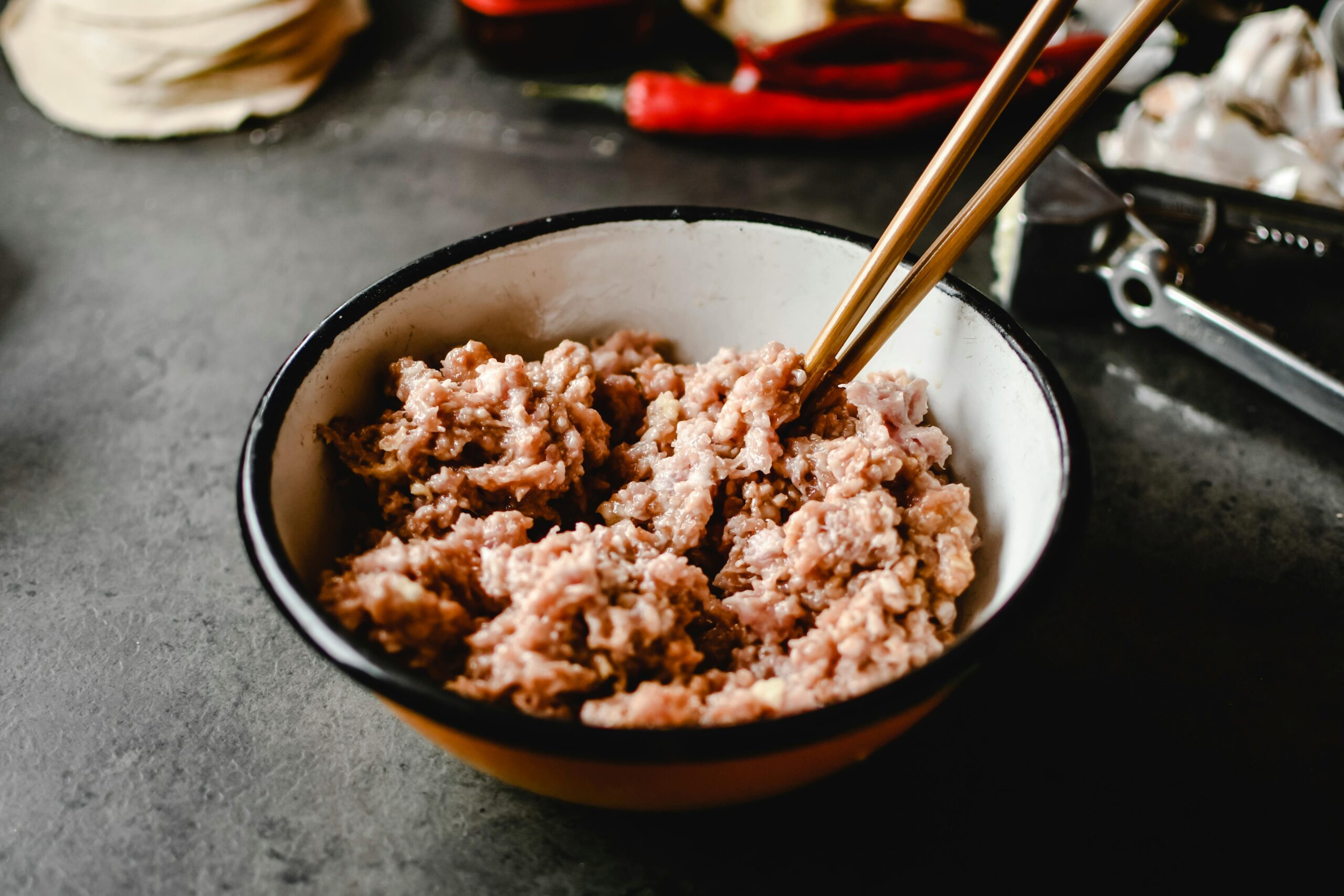
Ground turkey is derived from turkey meat that has been ground into a fine texture, making it convenient for use in numerous recipes and meal preparations. The nutritional value can vary depending on the specific cut used and the fat content selected during processing.
Nutritional Composition of Ground Turkey
Protein Content and Quality
Ground turkey delivers substantial protein quantities essential for muscle maintenance and tissue repair. A three-ounce serving of ground turkey provides approximately 20 grams of protein, making it an efficient choice for meeting daily protein requirements. The protein found in ground turkey contains all nine essential amino acids, which your body cannot synthesize independently and must obtain through dietary sources. The quality of protein in ground turkey ranks high on the biological scale, meaning your body absorbs and utilizes it effectively. This makes it particularly valuable for individuals engaged in regular physical activity or those focused on maintaining healthy muscle mass across different life stages.
Fat and Caloric Profile
The fat content in ground turkey varies based on the product selected. Ground turkey breast typically contains approximately 1-2 grams of fat per three-ounce serving, while ground turkey that includes darker meat may contain 8-10 grams of fat. This distinction allows consumers to select options aligned with their specific nutritional objectives. Ground turkey breast offers approximately 90-100 calories per three-ounce serving, while products containing higher fat percentages may provide 150-170 calories. Understanding these variations enables you to make choices consistent with your caloric goals and health priorities.
Micronutrient Content
Ground turkey supplies several important micronutrients that support overall health and physiological function. Selenium, a trace mineral essential for thyroid function and antioxidant protection, appears in significant quantities. Phosphorus, crucial for bone health and cellular energy production, is also well-represented. Niacin, a B-vitamin involved in energy metabolism and DNA repair, constitutes another valuable component of ground turkey's nutritional profile.
Talk to a Doctor
Get Answers to Your Health Questions
Connect with health professionals — anytime, from anywhere.
Talk to a Doctor
Get Answers to Your Health Questions
Connect with health professionals — anytime, from anywhere.
Health Benefits of Ground Turkey
Supporting Muscle Development and Recovery
For individuals pursuing fitness objectives or managing age-related muscle loss, ground turkey provides excellent nutritional support. The high protein concentration facilitates muscle protein synthesis, the process through which your body builds and repairs muscle tissue. This benefit extends beyond young athletic populations to older adults seeking to maintain functional capacity and independence. Regular inclusion of ground turkey in meals, combined with appropriate physical activity, can help preserve muscle mass and strength throughout various life stages.
Weight Management Support
Ground turkey's high protein content combined with relatively low fat options makes it suitable for individuals managing weight. Protein increases satiety, meaning it promotes feelings of fullness and satisfaction after meals. This can reduce overall caloric intake by decreasing the likelihood of excessive snacking or overeating at subsequent meals. The lean varieties of ground turkey provide protein benefits with fewer calories than fattier meat options, offering flexibility for those monitoring energy intake.
Heart Health Considerations
Selecting ground turkey breast over higher-fat variations may benefit cardiovascular health. The lower saturated fat content in lean ground turkey products aligns with dietary recommendations for heart health. When prepared using healthy cooking methods and combined with vegetables and whole grains, ground turkey can contribute positively to cardiovascular wellness.
Preparation Methods and Cooking Considerations
Healthy Cooking Techniques
- Grilling or broiling allows excess fat to drain away during cooking
- Pan searing with minimal oil over medium-high heat
- Slow cooking in liquid-based dishes
- Baking in parchment paper or on perforated baking sheets
Flavor Enhancement Without Added Sodium
Ground turkey's mild flavor allows for creative seasoning approaches that enhance taste without relying on excessive salt. Fresh herbs including oregano, basil, and thyme add complexity to dishes. Spices such as cumin, paprika, and garlic powder provide robust flavors while contributing beneficial compounds. Limiting added sodium remains important for individuals monitoring salt intake for blood pressure management or kidney health.
Dietary Integration and Meal Planning
Incorporating Ground Turkey into Balanced Meals
- Mix ground turkey with vegetable-rich sauces for pasta dishes
- Combine with brown rice and legumes for complete protein profiles
- Layer in grain bowls with quinoa, vegetables, and healthy fats
- Prepare ground turkey tacos using whole grain tortillas and vegetable toppings
Portion Guidance
A standard serving of ground turkey consists of three to four ounces of cooked meat, providing sufficient protein for satiety and health benefits. Including this portion size as part of balanced meals containing vegetables, whole grains, and healthy fats creates nutrient-complete dietary patterns.
Comparison with Other Protein Sources
Ground turkey presents a viable option within the broader landscape of protein choices. When compared to beef, ground turkey typically contains less saturated fat while maintaining comparable protein concentrations. Compared to chicken breast, ground turkey offers similar nutritional profiles with slightly more flexibility in culinary applications. Individuals benefit from rotating among various protein sources including fish, legumes, eggs, and poultry to obtain diverse micronutrient profiles and maintain dietary interest.
Storage and Food Safety
Proper handling of ground turkey ensures safety and nutritional preservation. Store ground turkey in the refrigerator at 40 degrees Fahrenheit or below, consuming within one to two days of purchase. Freezing extends shelf life to three to four months when stored in airtight containers. Always thaw frozen ground turkey in the refrigerator rather than at room temperature to prevent bacterial growth.
Conclusion
Ground turkey presents a practical, nutritious protein option for individuals seeking to enhance their dietary patterns. Its high protein content, relatively low fat varieties, and versatile culinary applications make it suitable for numerous health objectives and cooking preferences. By selecting lean varieties, employing healthy preparation methods, and incorporating ground turkey into balanced meals with vegetables and whole grains, you can effectively leverage this ingredient to support your nutritional goals and overall wellness.
Reference
Kemmler W, Stengel S. (2011). The Intensity and Effects of Strength Training in the Elderly. Deutsches Ärzteblatt International, 108(21), 359-364. https://pmc.ncbi.nlm.nih.gov/articles/PMC3117172/
Word Count: 1,087