
Mushroom Nutrition Guide: Health Benefits, Types, and Dietary Integration
Mushrooms represent one of nature's most nutrient-dense foods, offering remarkable nutritional profiles alongside centuries of traditional use in various cuisines and wellness practices. Unlike plants, mushrooms are fungi that possess unique cellular structures and chemical compounds unavailable in traditional vegetables, making them nutritionally distinct. Understanding mushroom nutrition empowers individuals to make informed dietary choices and harness their potential benefits effectively.
Understanding Mushroom Nutritional Composition
Essential Nutrients Found in Mushrooms
Mushrooms contain several critical nutrients that support bodily functions. They provide B vitamins including riboflavin, niacin, and pantothenic acid, which facilitate energy metabolism and nervous system function. The mineral content includes selenium, potassium, and copper, each playing vital roles in maintaining cellular health and immune function.
One distinguishing feature of mushrooms is their ergosterol content, a compound that converts to vitamin D when exposed to sunlight. This makes mushrooms one of the few non-animal sources of vitamin D, particularly important for individuals with limited sun exposure or dietary restrictions.
Mushrooms are exceptionally low in calories and fat while providing dietary fiber, making them suitable for various dietary approaches. A typical serving of raw mushrooms contains approximately 15 calories and negligible fat content, while contributing meaningful amounts of micronutrients.
Bioactive Compounds and Functional Elements
Beyond basic nutrients, mushrooms contain bioactive compounds including polysaccharides, beta-glucans, and phenolic compounds. These substances interact with human physiology in ways that distinguish mushrooms from conventional foods.
Beta-glucans represent a particularly significant component found abundantly in mushroom cell walls. Research indicates these compounds support immune system function through various biological pathways. Different mushroom varieties contain varying concentrations of these compounds, contributing to their diverse health applications.
Common Culinary Mushroom Types and Their Nutritional Profiles
Button, Cremini, and Portobello Mushrooms
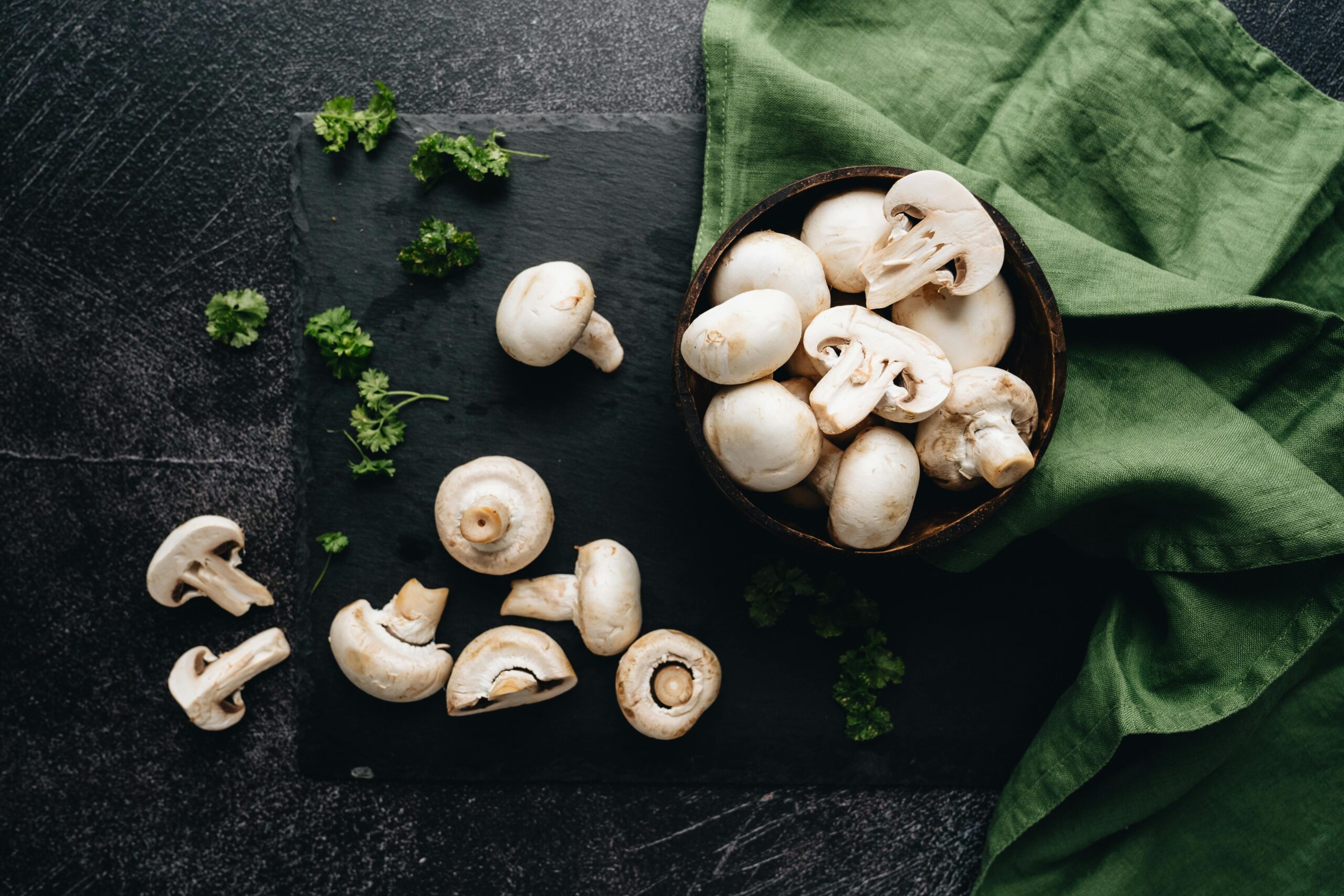
These three mushroom varieties represent a single species at different maturity stages. Button mushrooms are harvested early, while cremini mushrooms represent the same species at a more developed stage, and portobellos are fully mature specimens.
From a nutritional standpoint, all three offer similar benefits, containing approximately 3 grams of protein per cooked cup, along with B vitamins and minerals. The primary difference lies in texture and flavor intensity, with portobellos offering a more robust, meaty texture suitable for grilling or roasting.
Shiitake Mushrooms
Shiitake mushrooms have been cultivated in East Asia for centuries and offer distinct nutritional advantages. These mushrooms contain compounds called lentinan, a type of polysaccharide that has been extensively studied in scientific literature.
Per cooked cup, shiitake mushrooms provide approximately 2 grams of protein alongside significant quantities of copper and selenium. They contribute notably to daily B vitamin intake and contain umami compounds that enhance savory flavors naturally in cuisine.
Oyster Mushrooms
Oyster varieties present another nutritionally valuable option, offering a delicate flavor and versatile culinary applications. These mushrooms contain all essential amino acids, making them interesting from a protein perspective, though in modest quantities.
The nutritional profile includes meaningful quantities of niacin, which supports cellular metabolism and energy production. Oyster mushrooms also provide polysaccharides similar to other varieties, contributing to overall wellness benefits.
Maitake and Shiitake Medicinal Varieties
Maitake, commonly called "hen of the woods," offers concentrated levels of beta-glucans compared to culinary varieties. While still edible and flavorful, maitake mushrooms are sometimes consumed specifically for their functional properties in traditional wellness practices.
These mushrooms have been researched extensively for their immune-supporting properties, though individuals should understand that foods support general wellness rather than treating specific conditions.
Talk to a Doctor
Get Answers to Your Health Questions
Connect with health professionals — anytime, from anywhere.
Talk to a Doctor
Get Answers to Your Health Questions
Connect with health professionals — anytime, from anywhere.
Incorporating Mushrooms Into a Balanced Diet
Preparation Methods and Nutrient Retention
Cooking method influences nutrient availability in mushrooms. Sautéing mushrooms in minimal oil helps retain water-soluble nutrients while making certain compounds more bioavailable. Boiling mushrooms can leach some nutrients into cooking water, which can be utilized in broths or soups to preserve nutritional content.
Grilling and roasting represent excellent preparation methods that concentrate flavors while maintaining nutritional integrity. Raw mushrooms offer certain benefits as well, providing all heat-sensitive compounds while requiring thorough washing before consumption.
Practical Dietary Integration
Incorporating mushrooms into meals requires no special techniques or preparation skills. Key approaches include:
- Adding sliced mushrooms to salads for textural contrast and nutritional boost
- Including mushrooms in soups, stews, and broths for umami depth
- Sauteing mushrooms as a side dish or main course component
- Blending mushroom powder into smoothies or beverages
- Using mushrooms in grain bowls or pasta dishes
Mushrooms adapt well to various cuisines and pair effectively with other whole foods. Their neutral flavor profile in mild varieties like button mushrooms makes them accessible for varied palates.
Safety Considerations and Selection Guidelines
Distinguishing Edible from Non-Edible Varieties
Consuming only commercially cultivated or reliably identified wild mushrooms prevents potential toxicity issues. Most grocery stores carry standardized varieties thoroughly tested for safety, representing the safest choice for most individuals.
Foraging wild mushrooms requires expertise and should only occur under guidance from experienced individuals, as some toxic varieties closely resemble edible species. When purchasing mushrooms, select firms specimens without visible decay or moisture damage.
Storage and Freshness
Proper storage extends mushroom shelf life and maintains nutritional quality. Refrigerating mushrooms in paper bags rather than plastic containers allows moisture circulation and prevents degradation. Most fresh mushrooms remain suitable for consumption for three to seven days when stored properly.
Mushroom Nutrition in Context of Overall Wellness
Mushrooms contribute meaningfully to overall dietary patterns that support health when combined with other whole foods including vegetables, fruits, whole grains, and lean proteins. Their nutritional density and functional compounds make them valuable additions to varied, balanced diets.
Individuals with specific health conditions or those taking medications should consult with qualified healthcare providers regarding dietary changes, as individual nutritional needs vary based on personal health status, medications, and medical history.