
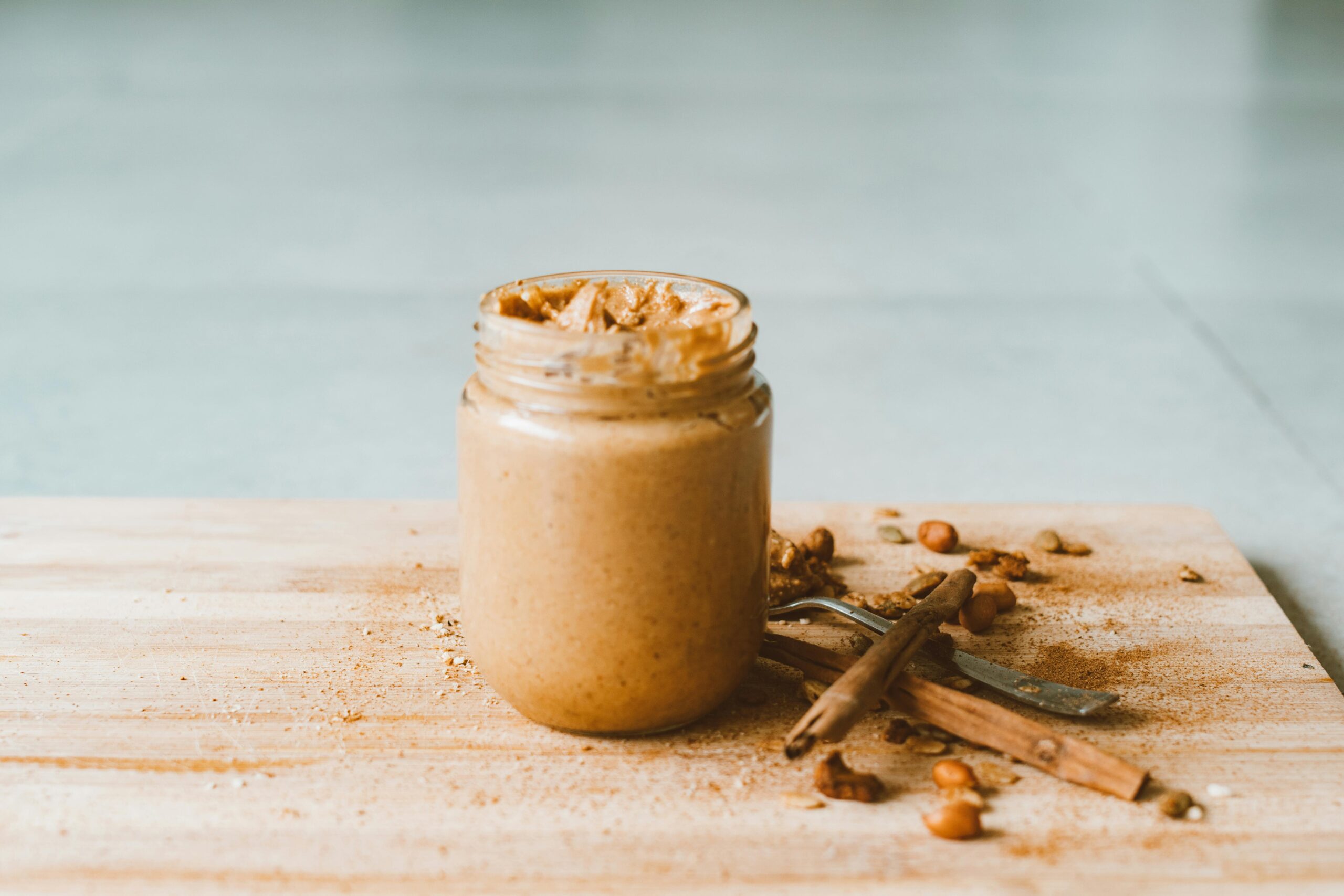
Low Calorie Peanut Butter: Nutritional Benefits and Healthy Choices
Understanding Low Calorie Peanut Butter
Peanut butter has been a dietary staple for decades, beloved for its rich taste and nutritional profile. However, traditional peanut butter is calorie-dense, with two tablespoons containing approximately 190 calories. This reality has led to the development of low calorie peanut butter options that maintain flavor while reducing caloric intake.
Low calorie peanut butter is produced through several methods. Manufacturers either reduce the natural fat content of peanuts or add bulking agents that lower the overall caloric density. Understanding these variations helps consumers make informed choices aligned with their nutritional goals.
What Sets Low Calorie Varieties Apart
The primary difference between regular and low calorie peanut butter lies in fat removal and ingredient composition. Standard peanut butter derives most of its calories from natural peanut oils. Low calorie versions typically contain 25 to 50 percent fewer calories per serving, ranging from 85 to 150 calories per two-tablespoon serving. This reduction doesn't necessarily compromise nutritional value. Many low calorie options retain significant protein content, fiber, and essential micronutrients. The key is examining ingredient lists to identify products with minimal added sugars and unnecessary additives.
Talk to a Doctor
Get Answers to Your Health Questions
Connect with health professionals — anytime, from anywhere.
Talk to a Doctor
Get Answers to Your Health Questions
Connect with health professionals — anytime, from anywhere.
Nutritional Profile of Low Calorie Peanut Butter
Protein Content
Protein remains a standout nutritional component in low calorie peanut butter. A two-tablespoon serving typically provides 6 to 8 grams of protein, supporting muscle maintenance and satiety. This makes it particularly valuable for individuals focused on weight management, as protein increases feelings of fullness and supports metabolic function.
Healthy Fats
While low calorie versions contain reduced total fat, they retain beneficial monounsaturated and polyunsaturated fats. These fats support heart health, reduce inflammation, and aid nutrient absorption. The reduction focuses on quantity rather than quality, preserving the healthful fat profile while decreasing overall calories.
Micronutrients and Vitamins
Low calorie peanut butter provides essential nutrients including vitamin E, magnesium, potassium, and phosphorus. These minerals support bone health, energy production, and cardiovascular function. The processing methods used in creating low calorie versions typically preserve these micronutrients effectively.
Fiber Considerations
Fiber content varies depending on whether the peanut butter includes peanut skin. Some low calorie varieties maintain higher fiber levels, supporting digestive health and blood sugar stability. When selecting products, checking for dietary fiber content helps optimize nutritional benefits.
Types of Low Calorie Peanut Butter Products
Powdered Peanut Butter
Powdered peanut butter represents one of the most popular low calorie options. Most of the natural oils are pressed from peanuts, leaving a powder containing 45 to 90 calories per two tablespoons. When mixed with water, it recreates a peanut butter consistency with significantly reduced calories. This option works well in smoothies, baking, and as a spread. The reconstituted version maintains peanut flavor and nutritional benefits while being substantially lighter in calories.
Reduced Fat Peanut Butter
Traditional manufacturers now offer reduced fat versions of standard peanut butter. These products maintain familiar flavors and textures while cutting fat content by 25 percent or more. Most contain added starches or gums to replicate the mouthfeel of full-fat varieties.
Natural Low Calorie Options
Some consumers prefer peanut butter made from lean peanut varieties or blends with other nuts and seeds. Almond butter and sunflower seed butter offer alternative options with varying caloric densities and nutritional profiles.
Incorporating Low Calorie Peanut Butter Into Your Diet
Breakfast Applications
Low calorie peanut butter enhances various breakfast options. Spread it on whole grain toast, mix it into oatmeal, or blend it into smoothies. Pairing with high-fiber carbohydrates and other protein sources creates balanced meals that support energy and satiety throughout the morning.
Snacking Strategies
Portion control becomes easier with low calorie peanut butter. A measured serving with apple slices, celery, or whole grain crackers creates satisfying snacks containing 150 to 250 calories. The combination of protein, fiber, and healthy fats promotes sustained energy without excessive caloric intake.
Cooking and Recipe Integration
Low calorie peanut butter works in both sweet and savory applications. Use it in marinades, dressings, and sauces for Asian-inspired dishes. In baking, powdered peanut butter reduces calories significantly compared to traditional recipes while maintaining distinctive flavor.
Choosing Quality Low Calorie Peanut Butter
Reading Labels Effectively
Examine ingredient lists for added sugars, artificial sweeteners, and unnecessary additives. Quality products contain primarily peanuts and minimal additional ingredients. Sodium content deserves attention, as some manufacturers add salt to enhance flavor when fat content decreases.
Identifying Nutritional Red Flags
Avoid products with excessive added sugars that undermine weight management goals. Some "low fat" options compensate with higher sugar content, resulting in minimal caloric savings. Artificial sweeteners may suit some individuals, but whole food options generally provide superior nutritional value.
Comparing Product Options
Cost and convenience vary significantly among low calorie peanut butter options. Powdered varieties often cost less and store longer, while ready-to-spread options offer immediate convenience. Consider personal preferences, usage patterns, and storage capacity when selecting products.
Potential Considerations and Best Practices
Some individuals may experience digestive adjustment when increasing peanut butter consumption, particularly powdered varieties requiring reconstitution. Starting with smaller portions and gradually increasing intake allows the digestive system to adapt. Allergies and sensitivities affect peanut butter consumption. Those with peanut allergies should explore alternative nut and seed butters. Cross-contamination during manufacturing may concern individuals with severe allergies, making allergen statements crucial when selecting products. Low calorie peanut butter serves as one component of balanced nutrition rather than a standalone solution. Combining it with diverse whole foods, regular physical activity, and consistent lifestyle practices supports overall health objectives more effectively than relying on any single food product.
Conclusion
Low calorie peanut butter offers a practical way to enjoy peanut flavor while managing caloric intake. Understanding available options, nutritional content, and proper usage enables informed dietary choices. Quality low calorie peanut butter maintains significant nutritional benefits including protein, healthy fats, and essential micronutrients while reducing calories compared to traditional varieties. By selecting quality products and incorporating them strategically into balanced meals and snacks, individuals can enjoy peanut butter's satisfying taste and nutritional contributions to their health objectives.