
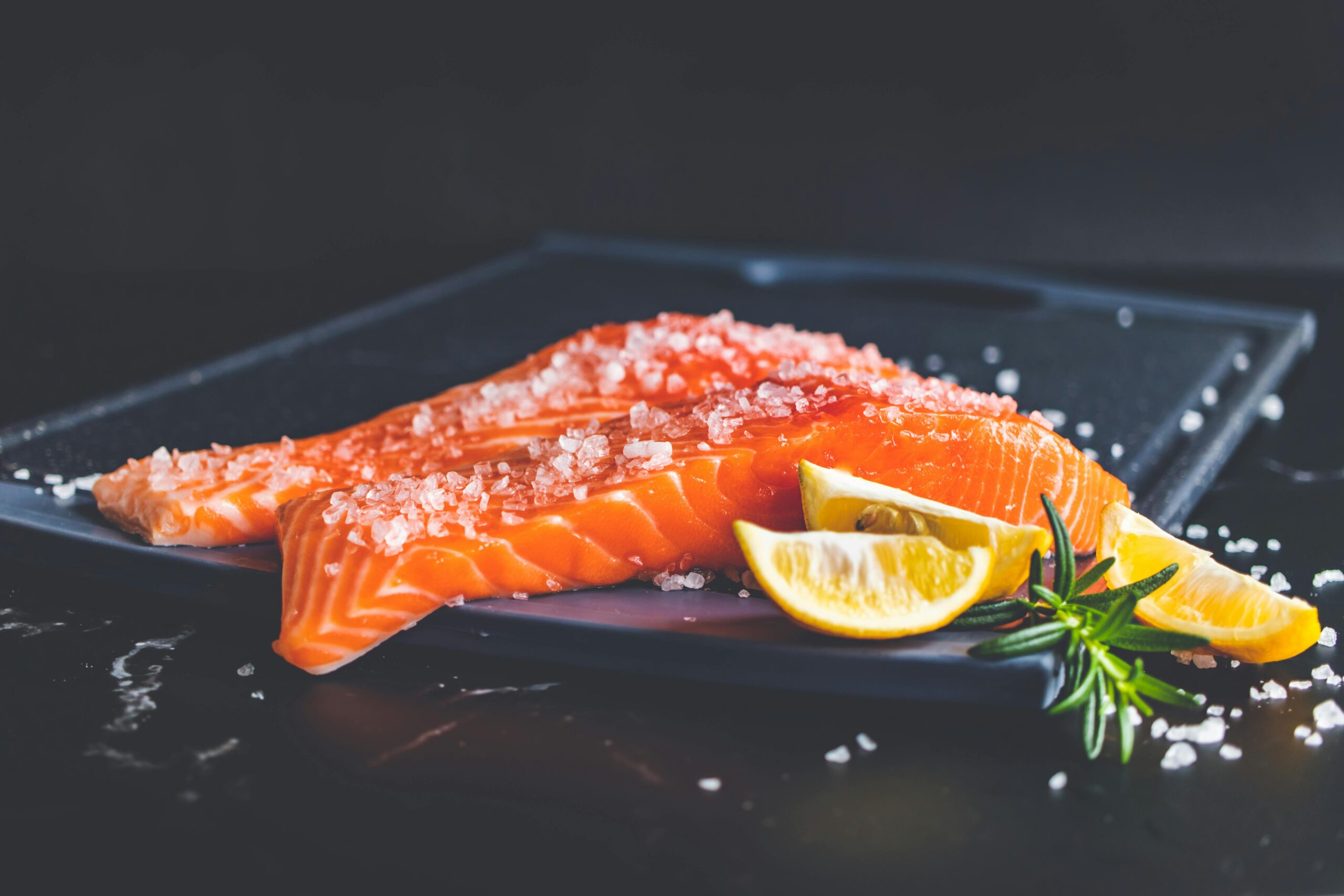
Everything You Need to Know About Salmon Nutrition
Salmon stands as one of the most nutrient-dense foods available, offering a remarkable combination of proteins, healthy fats, vitamins, and minerals that support various bodily functions. Understanding the nutritional composition of salmon helps individuals make informed dietary choices that align with their health goals.
Nutritional Composition of Salmon
Salmon provides an impressive array of nutrients in each serving. A 100-gram portion of cooked Atlantic salmon contains approximately 206 calories, 20 grams of protein, and 12 grams of fat. What distinguishes salmon from other protein sources is the quality and type of fats present within its flesh.
Protein Content and Amino Acids
Salmon delivers high-quality complete protein containing all nine essential amino acids necessary for muscle maintenance, tissue repair, and enzyme production. The protein content makes salmon an excellent choice for individuals seeking to support muscle mass and strength throughout different life stages. Whether consumed by younger adults or older populations, the amino acid profile supports ongoing metabolic function and physical capability.
Omega-3 Fatty Acids
The hallmark nutrient in salmon is its exceptional omega-3 fatty acid content. A single 100-gram serving provides approximately 2.3 grams of EPA and DHA combined. These long-chain polyunsaturated fats play fundamental roles in cardiovascular health, cognitive function, and systemic inflammation management.
EPA and DHA Benefits
Eicosapentaenoic acid (EPA) and docosahexaenoic acid (DHA) are the most bioactive forms of omega-3 fatty acids. These compounds support cardiovascular function by promoting healthy blood pressure levels and supporting healthy triglyceride profiles. Brain health also benefits significantly from adequate DHA intake, as this fatty acid comprises a substantial portion of neuronal membranes and supports cognitive processes.
Anti-inflammatory Properties
Chronic inflammation contributes to various health concerns. The omega-3 content in salmon helps modulate inflammatory responses throughout the body, potentially supporting joint comfort and overall systemic wellness.
Vitamins and Minerals in Salmon
Beyond proteins and fats, salmon contains numerous micronutrients essential for optimal health functioning.
Vitamin D Content
Salmon stands among the few naturally rich sources of vitamin D, with 100 grams providing approximately 600 international units. Vitamin D supports calcium absorption, immune function, and bone health. This nutrient becomes increasingly important for individuals with limited sun exposure or those living in higher latitudes where seasonal vitamin D synthesis may be compromised.
B Vitamins
Salmon provides substantial amounts of B vitamins including B12, B6, and niacin. These vitamins support energy metabolism, nervous system function, and red blood cell formation. Regular salmon consumption helps maintain adequate B vitamin stores, particularly important for individuals following vegetarian diets or those with increased metabolic demands.
Selenium and Potassium
A 100-gram serving delivers approximately 36 micrograms of selenium, supporting thyroid function and antioxidant defense systems. Potassium content, typically around 385 milligrams per serving, contributes to healthy blood pressure regulation and cardiovascular support.
Talk to a Doctor
Get Answers to Your Health Questions
Connect with health professionals — anytime, from anywhere.
Talk to a Doctor
Get Answers to Your Health Questions
Connect with health professionals — anytime, from anywhere.
Health Benefits Associated With Salmon Consumption
Regular salmon intake has been associated with various positive health outcomes based on nutritional research and dietary epidemiology.
Cardiovascular Health Support
The combination of omega-3 fatty acids, potassium, and other bioactive compounds supports cardiovascular function. Diets incorporating fatty fish like salmon several times weekly have been associated with more favorable cardiovascular markers in observational studies. The nutrient profile works synergistically to support heart health through multiple mechanisms.
Brain Function and Cognitive Health
DHA, the predominant omega-3 in salmon, accumulates in brain tissue and supports neural function throughout the lifespan. Research suggests that adequate omega-3 intake correlates with healthy cognitive aging and may support memory and learning processes.
Eye Health
Salmon contains astaxanthin, a carotenoid pigment providing the characteristic pink color. This compound possesses antioxidant properties that may support eye health and reduce oxidative stress in ocular tissues.
Bone Health and Aging
The combination of vitamin D, protein, and selenium in salmon creates a nutritional profile supportive of bone health. For individuals concerned with maintaining bone density throughout aging, regular salmon consumption as part of a balanced diet may be beneficial.
Sustainable and Safe Consumption Guidelines
Understanding how to incorporate salmon into a diet requires knowledge of both quantity and sourcing considerations.
Recommended Intake Frequency
Dietary guidelines suggest consuming fatty fish like salmon twice per week to obtain adequate omega-3 fatty acids. A standard serving size of 100-150 grams meets nutritional needs without excess calorie intake for most adults.
Mercury Considerations
Unlike some larger predatory fish, salmon contains minimal mercury levels, making it a safe choice for regular consumption across different age groups. Both wild-caught and farmed salmon present low contamination risks when obtained from reputable sources.
Sustainability Aspects
Consumers interested in environmental sustainability may consider wild-caught salmon or responsibly farmed sources. Understanding sourcing helps align dietary choices with personal values regarding environmental stewardship.
Preparation Methods and Nutrient Retention
How salmon is prepared influences final nutrient bioavailability and overall nutritional value.
Cooking Methods
Baking, steaming, and poaching preserve omega-3 fatty acids more effectively than high-heat frying. These gentler cooking methods maintain nutrient integrity while developing flavor. Grilling at moderate temperatures also preserves nutritional content while providing culinary appeal.
Pairing With Other Foods
Combining salmon with vegetables, whole grains, and healthy fats optimizes nutrient absorption. Consuming salmon with vitamin C sources enhances iron bioavailability, while healthy fats from the salmon itself support absorption of fat-soluble vitamins when paired with vegetables.
Who Benefits Most From Regular Salmon Consumption
Various populations find particular benefit from incorporating salmon regularly into their dietary patterns.
Active Individuals
Those engaged in regular physical activity benefit from salmon's high protein content and amino acid profile for recovery and adaptation. The omega-3 fatty acids may also support exercise-induced inflammation management.
Individuals Focused on Cognitive Health
People concerned with maintaining mental clarity and supporting long-term cognitive health benefit from consistent omega-3 intake through salmon consumption.
Those Managing Cardiovascular Health
Individuals working to maintain healthy cardiovascular markers find salmon's nutrient composition particularly supportive when incorporated into an overall balanced dietary approach.
Conclusion
Salmon represents a nutritionally comprehensive food that provides protein, omega-3 fatty acids, vitamins, and minerals supporting multiple aspects of health. Its nutrient density, bioavailability, and safety profile make it an excellent addition to varied dietary patterns. Regular consumption of salmon, prepared through healthy cooking methods and combined with whole foods, contributes meaningfully to nutritional adequacy and overall wellness maintenance. Including salmon in weekly meal planning supports long-term health objectives across different life stages and activity levels.
Reference
Kemmler W, Stengel S. (2011). The Intensity and Effects of Strength Training in the Elderly. Deutsches Ärzteblatt International, 108(21), 359-364. https://pmc.ncbi.nlm.nih.gov/articles/PMC3117172/
Source Reference: https://www.mayoclinic.org/
Word Count: 1,087 words