
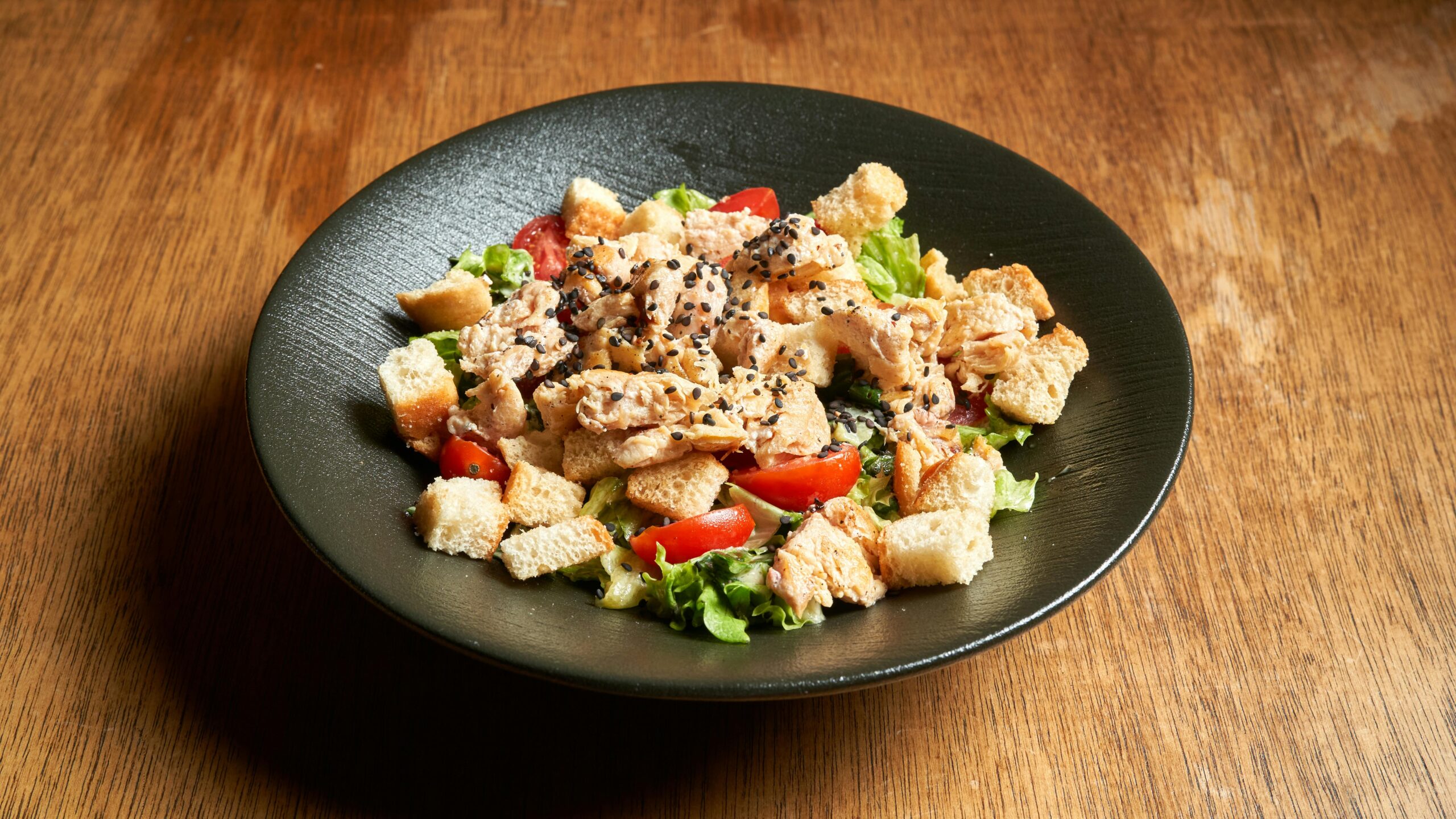
Chicken Salad Chick Nutrition Explained: Benefits and How to Use It
Chicken salad has become a popular choice for those seeking convenient, protein-rich meals. Understanding its nutritional profile can help you make informed dietary decisions and maximize its benefits within your overall nutrition plan. This article explores the composition, advantages, and practical applications of chicken salad in everyday eating.
Understanding Chicken Salad Nutrition
What Makes Chicken Salad Nutritionally Valuable
Chicken salad combines poultry protein with vegetables and dressing components, creating a meal with varying nutritional density depending on preparation methods. The base ingredient, chicken breast, contains approximately 26 grams of protein per 100 grams, making it an excellent source for those focused on protein intake.
The nutritional value of chicken salad depends significantly on preparation choices. Traditional recipes may include mayonnaise, which increases caloric density, while lighter versions incorporate Greek yogurt or other alternatives. Fresh vegetables added to chicken salad, such as celery, onions, and sometimes fruit additions like grapes or apples, contribute fiber, vitamins, and minerals.
Key Nutritional Components
A typical serving of homemade chicken salad (approximately 150 grams) generally contains:
- Protein: 20-25 grams
- Fat: 8-15 grams
- Carbohydrates: 5-10 grams
- Fiber: 1-2 grams
- Calories: 200-300 calories
These values shift based on ingredient choices. Store-bought versions may contain higher sodium levels and different fat ratios compared to homemade preparations. Reading labels helps identify dressing types and additives when purchasing pre-made options.
Talk to a Doctor
Get Answers to Your Health Questions
Connect with health professionals — anytime, from anywhere.
Talk to a Doctor
Get Answers to Your Health Questions
Connect with health professionals — anytime, from anywhere.
The Role of Protein in Muscle Maintenance
Protein Quality and Body Composition
Chicken provides complete protein, containing all nine essential amino acids required for muscle maintenance and repair. Research examining aging populations demonstrates that adequate protein consumption supports muscle mass preservation, which naturally declines with age. For adults maintaining physical function and strength, consistent protein intake remains crucial.
The amino acid composition in poultry makes it particularly valuable for those engaged in regular physical activity. Whether recovering from training or maintaining daily functional capacity, protein supports tissue repair and adaptation processes. Incorporating protein-rich foods like chicken salad throughout the day helps meet daily requirements more easily than obtaining all protein from single meals.
Vegetable Components and Micronutrient Content
Adding Nutritional Density Through Vegetables
The vegetables in chicken salad contribute beyond basic nutrition. Celery provides polyphenols and fiber, supporting digestive health. Leafy greens, when added as a salad base, offer vitamins K, A, and C along with minerals like potassium and magnesium.
Colorful vegetable additions increase phytonutrient content. Bell peppers contribute vitamin C, while red onions provide quercetin and other flavonoid compounds. These additions improve the overall nutritional profile without significantly increasing calories, making chicken salad a nutrient-dense option compared to many ready-to-eat alternatives.
Practical Applications for Daily Nutrition
Building Balanced Meals
- Serving it on a bed of mixed greens creates additional fiber and micronutrient content.
- Adding whole grain bread or crackers incorporates complex carbohydrates for sustained energy.
- For lunch planning, chicken salad offers portability and stability throughout the day.
- Preparing larger batches on weekends allows for convenient meals during busy weekdays.
Adapting Recipes for Dietary Preferences
- Light versions reduce fat by replacing mayonnaise with Greek yogurt or avocado oil-based dressings
- Adding nuts or seeds increases healthy fat content and nutrient density
- Incorporating dried fruits provides natural sweetness and additional minerals
- Using different base greens changes fiber and micronutrient profiles
Considerations for Daily Consumption
Portion Control and Meal Planning
While nutritious, chicken salad portions should align with individual caloric needs. A typical serving as part of a meal provides meaningful protein without excessive calories when prepared with moderation in dressing. Understanding appropriate portions prevents inadvertent overconsumption, particularly when dressing amounts increase.
Sodium content deserves attention, especially when purchasing commercial preparations. Store-bought versions often contain added salt for preservation and flavor. Those monitoring sodium intake should check labels or prepare salads at home where salt levels remain controllable.
Quality Ingredients and Food Safety
Using high-quality chicken and fresh vegetables ensures both nutritional value and safety. Properly cooked poultry stored at correct temperatures maintains safety for several days. Preparing salad shortly before consumption preserves vitamin content, particularly in fresh vegetables.
Choosing pasteurized mayonnaise or yogurt-based dressings maintains food safety without additional cooking. Following basic food handling practices prevents contamination while maximizing nutritional benefits from raw vegetables included in the mixture.
Integrating Chicken Salad Into Broader Nutrition Plans
Supporting Active Lifestyles
For individuals engaged in regular physical activity, chicken salad provides convenient post-activity nutrition. The protein supports recovery processes, while carbohydrates from vegetables and whole grains replenish energy stores. Consuming protein within a few hours after activity optimizes the body's adaptation response.
Including varied sources of protein throughout the day, including chicken salad meals, distributes amino acids more evenly than concentrating protein in single meals. This approach supports continuous tissue maintenance and adaptation, particularly important for those maintaining functional fitness.
Long-Term Dietary Sustainability
Chicken salad's versatility encourages consistent consumption of lean protein and vegetables. When recipes vary throughout the month, nutritional interest remains high, supporting long-term adherence to balanced eating patterns. This sustainability matters more than perfect adherence to restrictive approaches.
Making chicken salad part of regular meal rotation ensures adequate protein intake without monotony. The adaptability of recipes allows seasonal ingredient changes, maintaining both nutritional quality and enjoyment of meals.
Conclusion
Chicken salad nutrition provides substantial benefits when prepared thoughtfully and consumed as part of balanced eating patterns. Its protein content supports muscle maintenance, while vegetable additions contribute essential vitamins and minerals. By understanding nutritional components and making conscious ingredient choices, chicken salad becomes a practical, nutritious option for everyday meals. Whether prepared at home or purchased commercially, selecting quality ingredients and appropriate portions maximizes the nutritional value this accessible dish offers.
Reference
Kemmler W, Stengel S. (2011). The Intensity and Effects of Strength Training in the Elderly. Deutsches Ärzteblatt International, 108(21), 359-364. https://pmc.ncbi.nlm.nih.gov/articles/PMC3117172/