
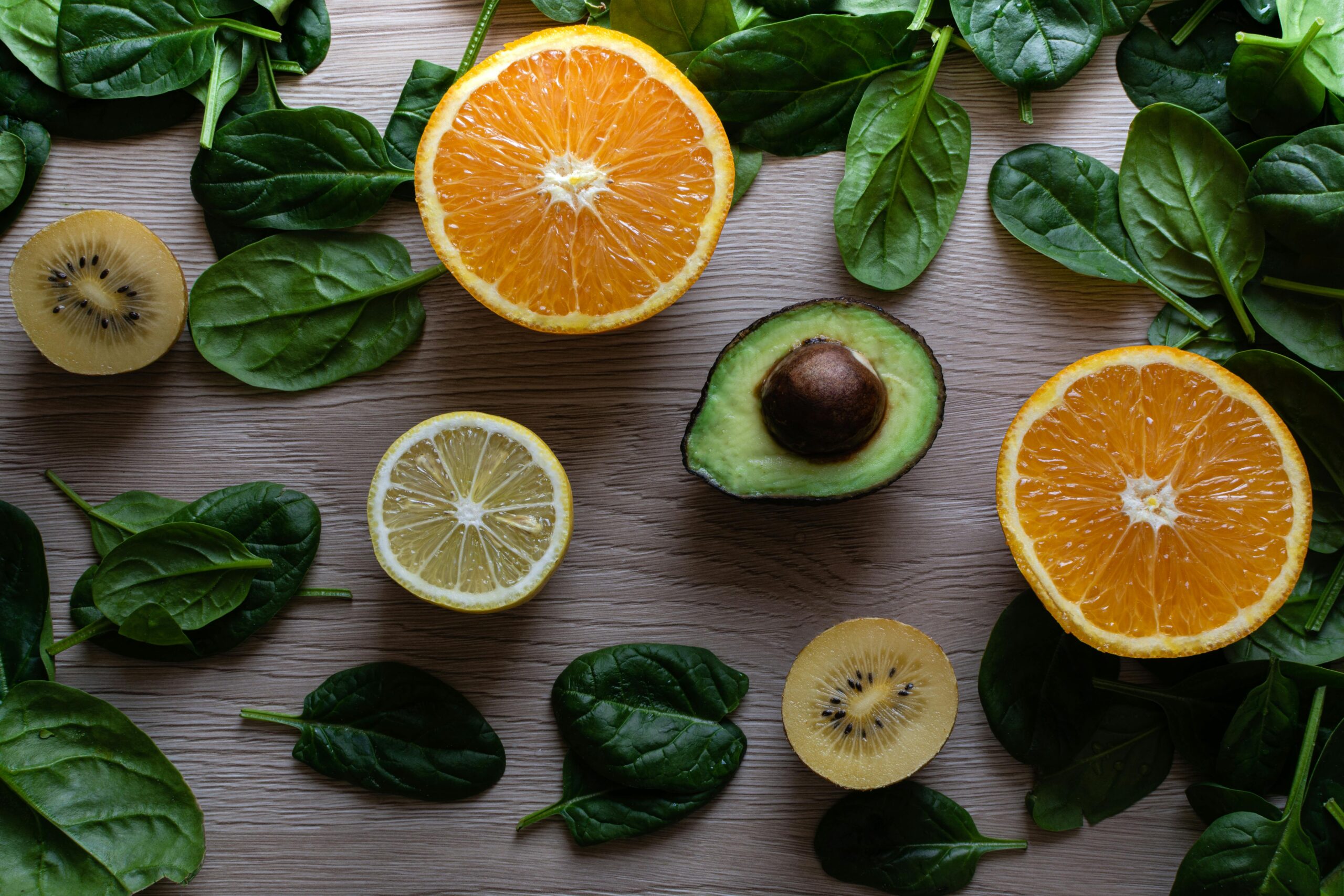
Alkaline Diet Foods: A Complete Nutrition Guide
Understanding Alkaline Diet Foods in Nutrition
The concept of alkaline diet foods has gained considerable attention in nutritional discussions over recent years. While the body maintains a tightly regulated pH through natural biological processes, incorporating alkaline-forming foods into your diet can contribute to overall nutritional balance and wellness. This guide explores alkaline diet foods and their role in a comprehensive approach to nutrition.
What Makes Foods Alkaline or Acidic
Foods are classified along a pH spectrum based on their mineral content and how they metabolize in the body. This classification differs from the food's taste or initial pH value. Alkaline-forming foods typically contain minerals like potassium, magnesium, and calcium, which the body processes in ways that produce alkaline byproducts. Understanding this distinction helps clarify why certain nutritious foods are considered alkaline despite sometimes tasting acidic.
Talk to a Doctor
Get Answers to Your Health Questions
Connect with health professionals — anytime, from anywhere.
Talk to a Doctor
Get Answers to Your Health Questions
Connect with health professionals — anytime, from anywhere.
Key Alkaline Diet Foods to Include
Leafy Green Vegetables
Leafy green vegetables represent some of the most nutrient-dense alkaline foods available. These include spinach, kale, arugula, Swiss chard, and collard greens. These vegetables provide substantial amounts of:
- Magnesium and potassium
- Vitamins K, A, and C
- Dietary fiber
- Antioxidants and phytonutrients
Incorporating two to three servings of leafy greens daily into meals and snacks can significantly enhance nutritional intake while supporting the body's natural pH balance.
Cruciferous Vegetables
Broccoli, cauliflower, Brussels sprouts, and cabbage belong to the cruciferous family and offer impressive nutritional profiles. These vegetables contain:
- Sulfur compounds with potential anti-inflammatory properties
- Vitamin C for immune function
- Folate for cellular health
- Cancer-fighting phytonutrients
These foods work well in soups, stir-fries, roasted preparations, or raw applications, making them versatile additions to any meal plan.
Root Vegetables and Tubers
Alkaline Root Vegetables
Potatoes, sweet potatoes, beets, and carrots, when prepared without excessive salt or fats, contribute alkaline-forming minerals. Sweet potatoes specifically provide:
- Beta-carotene for vision and immune support
- Potassium for cardiovascular function
- Complex carbohydrates for sustained energy
- Vitamin B6 for brain function
These vegetables form excellent bases for complete meals when paired with proteins and healthy fats.
Fruits in an Alkaline Diet
Citrus and Other Fruits
Despite their acidic taste, citrus fruits like lemons, limes, and grapefruits are alkaline-forming due to their mineral composition. Other alkaline fruits include:
- Bananas, rich in potassium
- Apples, containing quercetin antioxidants
- Berries, packed with anthocyanins
- Avocados, providing healthy monounsaturated fats
- Melons, offering hydration and minerals
Including two to three fruit servings daily provides natural sweetness alongside essential vitamins and minerals.
Plant-Based Proteins and Legumes
Incorporating Alkaline Protein Sources
Legumes and plant-based proteins offer alkaline-forming properties when prepared properly. Options include:
- Lentils in soups and grain bowls
- Chickpeas for hummus and salads
- Beans prepared with minimal sodium
- Tofu and tempeh for versatile meal preparations
- Seeds and nuts consumed in moderate portions
These protein sources provide fiber, B vitamins, and minerals while supporting sustained satiety throughout the day.
Nuts, Seeds, and Healthy Fats
Choosing Alkaline-Friendly Options
Certain nuts and seeds align with alkaline diet principles while providing essential fatty acids. Consider:
- Almonds for calcium and vitamin E
- Pumpkin seeds for magnesium and zinc
- Sunflower seeds for selenium
- Chia seeds for omega-3 fatty acids
- Flaxseeds for lignans and fiber
Consuming a small handful of raw or lightly roasted nuts and seeds daily supports nutritional completeness without excessive caloric intake.
Alkaline Grains and Whole Foods
Selecting Whole Grain Options
While grains are generally considered more neutral than alkaline, certain whole grains offer better mineral profiles:
- Quinoa, a complete protein with all amino acids
- Millet, easily digestible and mineral-rich
- Buckwheat, despite its name, a gluten-free seed
- Brown rice in moderation
Whole grains contribute fiber, B vitamins, and minerals while supporting digestive health when consumed in appropriate portions.
Practical Implementation of Alkaline Diet Foods
Building Balanced Meals
Creating balanced meals incorporating alkaline foods involves:
- Starting with leafy greens or vegetables as your meal base
- Adding a plant-based or quality protein source
- Including a whole grain or starchy vegetable
- Incorporating healthy fats through nuts, seeds, or quality oils
- Flavoring with herbs and spices rather than excessive salt
This approach ensures nutritional completeness while naturally emphasizing alkaline-forming foods.
Hydration and Beverages
Water remains the optimal choice for hydration. Herbal teas, vegetable broths, and freshly pressed vegetable juices can complement water intake. Lemon water, made by adding fresh lemon juice to warm water, provides a refreshing alkaline-supporting option.
Important Nutritional Considerations
Understanding that the body naturally maintains pH balance through respiration and kidney function is essential. Rather than viewing alkaline foods as a system to override this regulation, consider them as nutrient-dense options that support overall health through their vitamin and mineral content.
A balanced approach to nutrition emphasizes whole foods, adequate protein, sufficient fiber, and appropriate caloric intake rather than focusing exclusively on pH classification. Alkaline diet foods contribute valuable nutrients when incorporated as part of a diverse, whole-food based eating pattern.
Transition Tips
Moving toward greater incorporation of alkaline foods works best through gradual changes:
- Add one additional vegetable serving daily
- Replace refined grains with whole grain alternatives
- Substitute processed snacks with fresh fruits or nuts
- Experiment with plant-based protein options
- Season foods with herbs instead of sodium
Conclusion
Alkaline diet foods, characterized by their mineral content and nutritional density, offer valuable components within a comprehensive nutrition strategy. Leafy greens, vegetables, fruits, legumes, and whole grains provide essential vitamins, minerals, antioxidants, and fiber that support overall wellness. Rather than viewing alkaline foods as a treatment system, appreciate them as nutrient powerhouses that naturally enhance dietary quality when prioritized alongside other whole foods. Implementing these foods through practical meal planning creates sustainable nutritional habits supporting long-term health and vitality.
Reference
Kemmler W, Stengel S. (2011). The Intensity and Effects of Strength Training in the Elderly. Deutsches Ärzteblatt International, 108(21), 359-364. https://pmc.ncbi.nlm.nih.gov/articles/PMC3117172/