
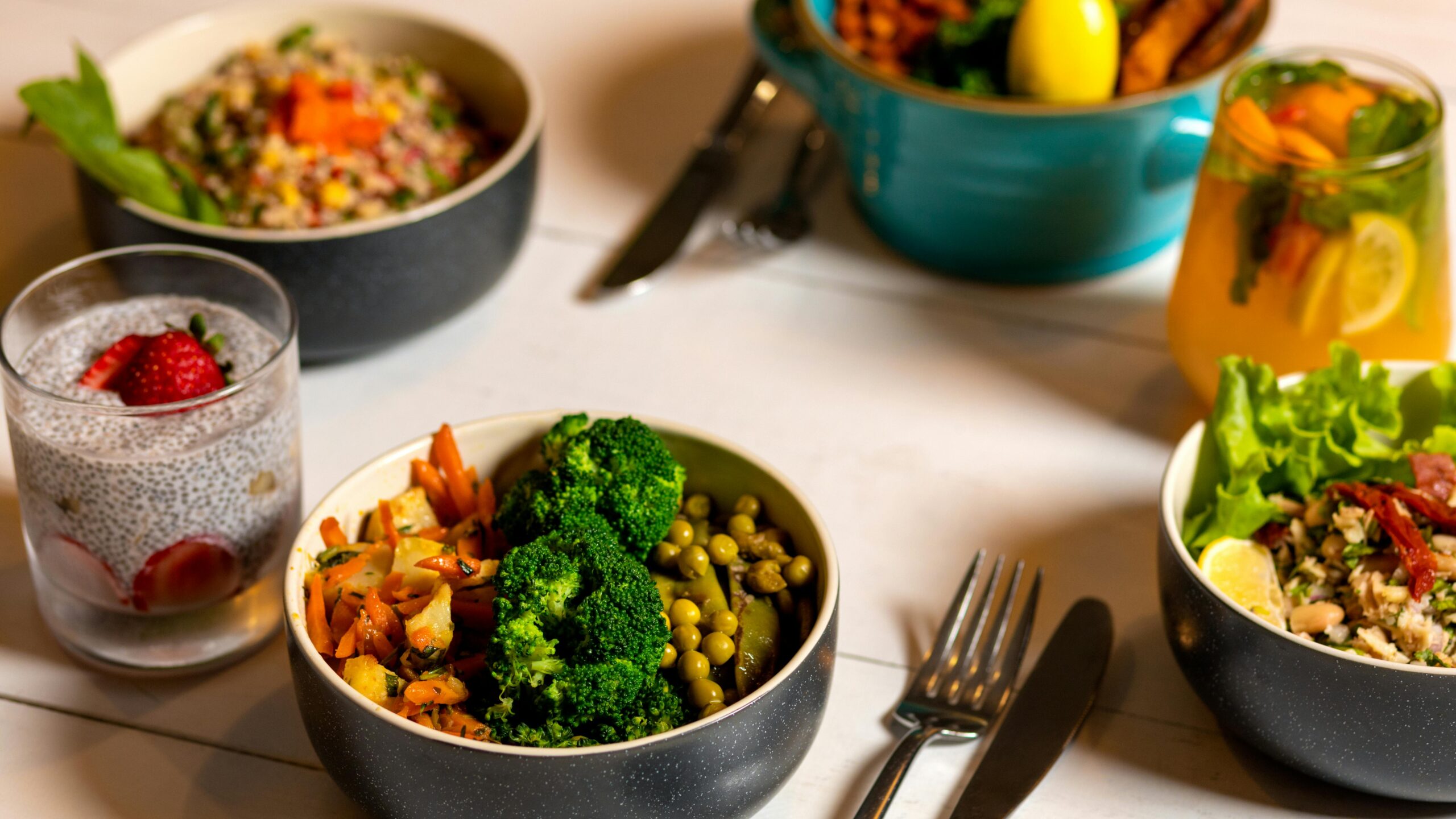
DASH Diet Meal Plan: Benefits, Uses, and What You Need to Know
The DASH diet, which stands for Dietary Approaches to Stop Hypertension, represents a structured nutritional framework developed by the National Institutes of Health. This eating approach has gained recognition among health professionals for its evidence-based methodology and sustainable approach to nutrition. Understanding the fundamentals of a DASH diet meal plan can help you make informed decisions about your dietary choices.
Understanding the DASH Diet Framework
The DASH diet emphasizes whole foods while limiting processed items, added sugars, and excessive sodium. This nutritional approach focuses on incorporating vegetables, fruits, whole grains, lean proteins, and low-fat dairy products into your daily meals. The plan was originally designed to help address elevated blood pressure levels through dietary modifications rather than pharmaceutical interventions alone.
Core Components of the DASH Diet
The foundation of this meal plan includes several essential food groups. Vegetables form a significant portion of daily intake, with recommendations to consume multiple servings across various types including leafy greens, root vegetables, and cruciferous options. Fruits provide natural sweetness and essential micronutrients, while whole grains offer fiber and sustained energy throughout the day.
Lean protein sources such as poultry, fish, and legumes replace red meat as primary options. Low-fat or fat-free dairy products supply calcium and vitamin D without excess saturated fat. Healthy fats from sources like olive oil, nuts, and seeds are incorporated in moderate amounts.
Talk to a Doctor
Get Answers to Your Health Questions
Connect with health professionals — anytime, from anywhere.
Talk to a Doctor
Get Answers to Your Health Questions
Connect with health professionals — anytime, from anywhere.
Key Benefits of Following a DASH Diet Meal Plan
Research indicates that adherence to DASH dietary principles supports multiple aspects of health. The high fiber content from vegetables, fruits, and whole grains promotes digestive health and helps maintain steady blood sugar levels throughout the day.
Cardiovascular Health Support
The emphasis on limiting sodium intake directly addresses fluid retention and blood vessel function. By reducing processed foods that typically contain high sodium levels, individuals following this plan naturally decrease their sodium consumption. The rich potassium content from fruits and vegetables supports healthy vascular function and helps counteract sodium's effects on the cardiovascular system.
Weight Management Assistance
The DASH diet's focus on nutrient-dense, lower-calorie foods naturally supports weight management efforts. The high fiber content promotes satiety, meaning you feel fuller for longer periods after meals. This reduces overall calorie intake without requiring severe restriction or hunger.
Metabolic Health Improvements
The balanced macronutrient approach helps stabilize blood glucose levels. Complex carbohydrates from whole grains digest slowly, preventing rapid blood sugar spikes. Combined with adequate protein and healthy fats, this creates a stable metabolic environment.
Implementing a DASH Diet Meal Plan
Starting a new dietary approach requires practical strategies and realistic planning. Success comes from gradual implementation rather than sudden, dramatic changes.
Phase One: Assessment and Preparation
Begin by evaluating your current eating patterns. Identify which food groups you consume regularly and where adjustments are needed. Review your typical meals and snacks, noting sodium content, added sugars, and processed ingredients.
Pantry and Refrigerator Organization
Stock your kitchen with DASH-compliant foods before starting. Purchase fresh vegetables including carrots, broccoli, bell peppers, and leafy greens. Add fresh fruits like berries, apples, and bananas. Include whole grain options such as brown rice, oatmeal, and whole wheat bread.
Keep lean proteins available by purchasing skinless poultry, low-fat ground turkey, and fish. Stock your pantry with unsalted nuts, seeds, and canned beans with no added salt. Choose low-fat dairy products and use herbs and spices instead of salt for flavoring.
Phase Two: Meal Planning and Preparation
Structure your weekly meals around DASH principles. Plan breakfasts featuring whole grains with fresh fruit and low-fat yogurt. Design lunches incorporating large salads with lean protein and whole grain components. Create dinners built around vegetables and lean proteins with whole grain sides.
Sample Daily Structure
A typical breakfast might include steel-cut oatmeal topped with berries and almonds. Lunch could feature a spinach salad with grilled chicken, vegetables, and olive oil vinaigrette. Dinner might consist of baked salmon, roasted vegetables, and quinoa. Snacks can include fresh fruit, unsalted nuts, or vegetable sticks with hummus.
Practical Serving Guidelines
- The DASH diet recommends specific daily serving amounts from each food group.
- Vegetables should comprise about 4 to 5 servings daily, with fruits totaling 4 to 5 servings.
- Whole grains represent 6 to 8 servings, while lean proteins include 6 or fewer ounces daily.
- Low-fat dairy products should total 2 to 3 servings daily.
- Healthy fats and oils are limited to 2 to 3 teaspoons daily.
- Nuts, seeds, and legumes provide variety and are included 4 to 5 times weekly.
Common Challenges and Practical Solutions
Transitioning to a new eating pattern often presents obstacles. Understanding these challenges helps you prepare effective strategies.
Sodium Reduction Adaptation
Reducing sodium intake often requires a taste adjustment period. Instead of relying on salt, experiment with fresh herbs like basil, oregano, and cilantro. Citrus juice, vinegar, and garlic powder add flavor without sodium. Over time, your palate adapts and naturally salty foods taste overly seasoned.
Time Management for Meal Preparation
Busy schedules can derail dietary plans. Dedicate a few hours weekly to meal preparation. Cook large batches of grains, roasted vegetables, and lean proteins that you can combine throughout the week in different ways. Prepare vegetable and fruit platters for easy access during busy days.
Dining Out While Following DASH
Restaurant meals often contain excessive sodium and added fats. Request salad dressing on the side and choose grilled rather than fried proteins. Ask for vegetables without added butter or salt. Select whole grain options when available.
Long-Term Sustainability and Success
The DASH diet succeeds because it represents a sustainable lifestyle approach rather than a temporary restriction. The variety of foods allowed prevents boredom and monotony that cause diet abandonment.
Progress develops gradually but steadily. Some people notice improvements in energy levels within weeks. Others appreciate the increased mental clarity that follows improved nutrition. Changes in how clothes fit or improved fitness performance often emerge over several weeks to months.
Tracking your journey through a food journal or mobile app helps identify patterns and celebrate progress. Connecting with others following similar dietary approaches provides motivation and practical tips.
Integration with Other Wellness Practices
The DASH diet works synergistically with other health-promoting behaviors. Regular physical activity enhances the benefits of improved nutrition. Adequate sleep supports metabolism and reduces cravings for unhealthy foods. Stress management techniques complement dietary improvements.
A holistic approach combining nutrition, movement, sleep, and stress management creates compounding benefits that extend beyond what any single practice achieves independently.
Final Considerations
The DASH diet meal plan offers a practical, evidence-based approach to nutrition that supports multiple aspects of health. Its flexibility allows for personal preferences while maintaining core nutritional principles. Starting slowly, planning meals thoughtfully, and maintaining realistic expectations create the foundation for lasting dietary success.
Whether your focus involves managing blood pressure, supporting heart health, or establishing sustainable eating habits, the DASH diet provides a structured yet flexible framework. Success comes from viewing this as a permanent lifestyle change rather than a temporary diet. With consistent implementation and patience, the DASH approach becomes an integrated part of daily life that promotes wellbeing.
Reference
Kemmler W, Stengel S. (2011). The Intensity and Effects of Strength Training in the Elderly. Deutsches Ärzteblatt International, 108(21), 359-364. https://pmc.ncbi.nlm.nih.gov/articles/PMC3117172/
National Institutes of Health - DASH Diet Information: https://www.nhlbi.nih.gov/health-topics/dash-eating-plan