
Fruits High in Potassium: What It Is and Why You Should Care
Understanding Potassium and Its Role in Your Body
Potassium is an essential mineral and electrolyte that your body needs to function properly. Unlike some nutrients that your body can produce on its own, potassium must come from external sources, primarily through your diet. This vital mineral plays numerous roles in maintaining overall health and supporting critical bodily functions.
At its core, potassium helps regulate fluid balance, supports nerve signal transmission, and maintains proper muscle contraction. Your heart, which is essentially a muscle, relies heavily on potassium to maintain a steady rhythm and ensure consistent blood circulation throughout your body. Additionally, potassium works alongside sodium to maintain healthy blood pressure levels, making it particularly important for cardiovascular wellness.
The Science Behind Potassium Function
When potassium enters your cells and sodium remains outside, this balance creates what scientists call the sodium-potassium gradient. This gradient is fundamental to how your nerves send signals and how your muscles contract. Without adequate potassium levels, your body struggles to maintain these critical processes, potentially leading to fatigue, muscle weakness, and irregular heartbeats.
Research indicates that potassium intake influences vascular function and blood pressure regulation. The mineral helps blood vessels remain flexible and reduces the workload on your cardiovascular system. This is why many health professionals emphasize potassium consumption as part of a heart-healthy lifestyle.
Best Fruits High in Potassium
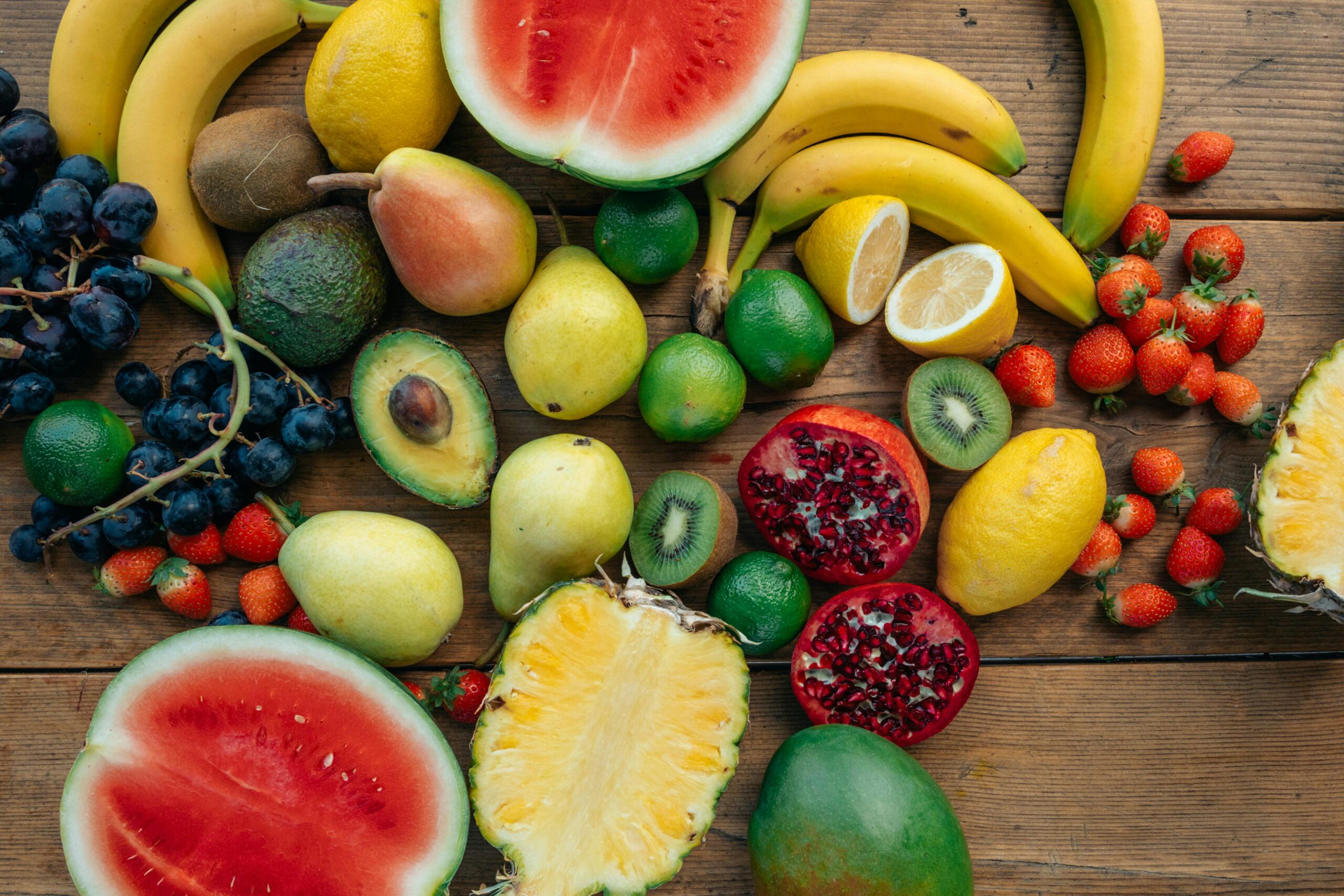
Including potassium-rich fruits in your daily meals is one of the most practical ways to meet your nutritional needs. Here are some excellent fruit sources of this essential mineral:
High-Potassium Fruits
- Bananas - Perhaps the most well-known potassium source, one medium banana contains approximately 422 milligrams of potassium
- Avocados - One of the richest fruit sources, with nearly 485 milligrams per half avocado
- Cantaloupe - One cup of cubed cantaloupe provides about 473 milligrams
- Kiwi - Two medium kiwis offer approximately 378 milligrams
- Oranges - One large orange contains roughly 237 milligrams
- Apricots - Fresh apricots provide about 259 milligrams per three medium fruits
- Pomegranate - Half a cup of pomegranate arils contains approximately 236 milligrams
- Guava - One cup of guava offers around 688 milligrams, making it exceptionally high in potassium
Understanding Daily Potassium Needs
The adequate intake for potassium varies by age and sex. Most adults should aim for 2,600 to 3,400 milligrams daily, depending on individual factors. Including several servings of potassium-rich fruits throughout your day makes meeting these targets both achievable and enjoyable.
Talk to a Doctor
Get Answers to Your Health Questions
Connect with health professionals — anytime, from anywhere.
Talk to a Doctor
Get Answers to Your Health Questions
Connect with health professionals — anytime, from anywhere.
Why Potassium Matters for Your Health
Cardiovascular Support
Your heart depends on proper electrolyte balance to function optimally. Potassium helps maintain regular heart rhythm and supports blood pressure regulation within healthy ranges. By consuming adequate potassium from fruit sources, you provide your cardiovascular system with the minerals it needs to work efficiently. Studies suggest that individuals with higher potassium intake tend to have better cardiovascular outcomes over time.
Muscle Function and Recovery
Whether you engage in regular physical activity or maintain a sedentary lifestyle, your muscles require potassium to contract and relax properly. Adequate potassium intake supports muscle strength and helps prevent cramping, particularly important for those engaged in exercise or training programs. Post-exercise muscle recovery also benefits from sufficient potassium levels, as this mineral aids in protein synthesis and muscle repair processes.
Bone Health and Metabolism
Emerging research indicates that potassium plays a role in bone health and calcium retention. When your body has adequate potassium, it better regulates acid-base balance, which affects how your skeleton maintains mineral density. This becomes increasingly important as you age, when bone health naturally becomes a greater concern.
Kidney Function
Your kidneys work to filter waste from your blood and maintain fluid balance, functions that depend partly on potassium. Interestingly, adequate potassium intake supports kidney function and helps prevent certain kidney-related concerns. The relationship between potassium and kidney health is bidirectional, meaning that healthy kidneys help regulate potassium levels while adequate potassium supports kidney function.
Practical Ways to Increase Your Potassium Intake
Easy Dietary Additions
Incorporating more potassium-rich fruits into your diet need not be complicated. Consider these simple approaches:
- Add sliced bananas or berries to breakfast cereals or yogurt
- Include avocado in sandwiches and salads
- Enjoy fresh orange juice or eat whole oranges as snacks
- Blend kiwis into smoothies
- Include cantaloupe in fruit bowls
- Snack on dried apricots between meals
Meal Planning Strategies
Planning meals around potassium-rich foods ensures consistent intake throughout the week. Include at least one fruit high in potassium with each meal. For example, enjoy a banana with breakfast, an apple with lunch, and a serving of cantaloupe with dinner. This approach distributes your potassium intake evenly throughout the day, supporting steady electrolyte balance.
Considerations and Individual Factors
While potassium from whole fruits is generally safe for most people, individual needs vary. Some individuals may require modified potassium intake based on specific health conditions or medications they take. It is always appropriate to discuss dietary changes with your healthcare provider, particularly if you have existing health conditions or take medications that affect potassium levels.
The beauty of obtaining potassium from whole fruits lies in the added nutritional benefits. Unlike supplements, whole fruits provide fiber, vitamins, antioxidants, and phytonutrients alongside potassium. These compounds work synergistically to support your overall health and wellness.
Conclusion
Potassium stands as one of the most important minerals your body requires for optimal function. From supporting your heartbeat to enabling muscle contraction and maintaining healthy blood pressure, this essential nutrient deserves attention in your daily diet. Fruits provide an accessible, delicious, and nutrient-dense way to meet your potassium needs.
By incorporating a variety of potassium-rich fruits into your meals and snacks, you take a meaningful step toward supporting your cardiovascular health, muscle function, and overall wellness. The diversity of options means you can find fruits that suit your taste preferences while simultaneously nourishing your body with this vital mineral.
Reference
Kemmler W, Stengel S. (2011). The Intensity and Effects of Strength Training in the Elderly. Deutsches Ärzteblatt International, 108(21), 359-364. https://pmc.ncbi.nlm.nih.gov/articles/PMC3117172/