
Whole Food Plant Based Diet Explained: Benefits and How to Use It
Understanding Whole Food Plant Based Eating
A whole food plant based diet emphasizes foods that come directly from plants in their natural, unprocessed state. This approach differs fundamentally from other plant-based diets because it prioritizes minimally processed foods while limiting or excluding refined products, oils, and animal-derived ingredients. The distinction matters considerably when evaluating nutritional outcomes and long-term health benefits.
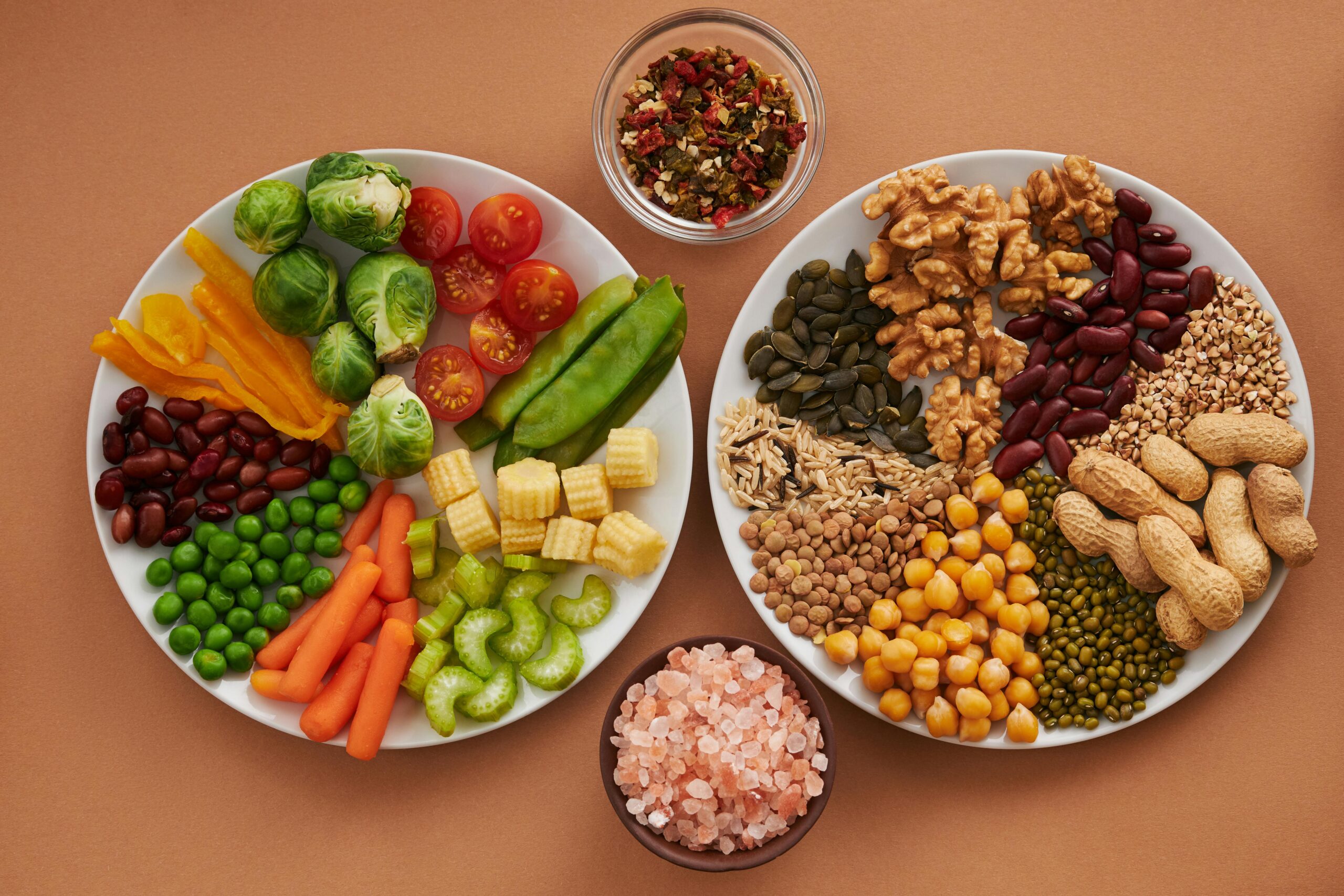
The foundation of this dietary pattern includes vegetables, fruits, legumes, whole grains, nuts, and seeds. Unlike vegan diets that simply avoid animal products, a whole food plant based approach specifically targets the quality and processing level of plant foods consumed. This means choosing brown rice over white rice, eating whole apples rather than apple juice, and preparing meals with dried beans instead of processed meat alternatives.
Core Principles of Whole Food Plant Based Nutrition
The Nutrient Density Approach
Whole foods retain their natural fiber, vitamins, minerals, and phytonutrients that often diminish during processing. When you consume a carrot in its whole form, you receive the complete package of beta-carotene, vitamin K, potassium, and dietary fiber. This nutrient density becomes particularly important for individuals seeking to maximize health benefits from every calorie consumed.
The fiber content in whole plant foods plays a crucial role in digestive health, blood sugar regulation, and cholesterol management. Processed plant-based foods frequently strip away this fiber, replacing it with added oils and refined carbohydrates that don't provide the same physiological benefits.
Phytonutrient Benefits
Plants contain thousands of bioactive compounds called phytonutrients that animals do not produce. These compounds, including polyphenols, carotenoids, and flavonoids, offer protective effects within the human body. By consuming whole plant foods, you access these compounds in their original form rather than relying on extracted or synthesized versions.
Talk to a Doctor
Get Answers to Your Health Questions
Connect with health professionals — anytime, from anywhere.
Talk to a Doctor
Get Answers to Your Health Questions
Connect with health professionals — anytime, from anywhere.
Documented Health Benefits
Cardiovascular Function
Research indicates that whole food plant based diets support cardiovascular health through multiple mechanisms. The high fiber content helps maintain healthy cholesterol levels, while the abundant potassium and magnesium support proper blood pressure regulation. Additionally, the absence of saturated fat and cholesterol from animal products reduces overall cardiovascular stress.
Weight Management Support
Whole foods naturally contain lower calorie density compared to processed alternatives. A cup of raw vegetables contains approximately 25 calories, while an equivalent volume of processed snack food might contain 300 calories. This difference means individuals can consume satisfying portion sizes while maintaining appropriate caloric intake for weight management goals.
Blood Sugar Stability
The intact fiber structure in whole foods slows glucose absorption, preventing the rapid blood sugar spikes associated with processed foods. This sustained energy release helps maintain stable blood sugar levels throughout the day and supports metabolic health.
Digestive Health Enhancement
The fiber found abundantly in whole plant foods feeds beneficial bacteria in the digestive system. This prebiotic effect promotes a healthier microbiome, which connects to immune function, nutrient absorption, and overall digestive comfort.
Implementing a Whole Food Plant Based Diet
Starting Your Transition
Begin by identifying one meal per day to convert to whole food plant based principles. Many people find breakfast the easiest transition point, incorporating oatmeal with fresh berries and ground flaxseed, or smoothie bowls made with whole fruits and plant-based yogurt. This gradual approach allows your body and palate to adjust without overwhelming dietary changes.
Building Nutritional Completeness
To ensure nutritional adequacy, include foods from each major plant-based food group daily:
- Vegetables: aim for at least three to four servings, emphasizing dark leafy greens and colorful varieties
- Fruits: consume two to three servings of whole fruits rather than juices
- Legumes: incorporate beans, lentils, or chickpeas into most meals for protein and fiber
- Whole Grains: choose brown rice, quinoa, oats, and whole wheat products
- Nuts and Seeds: include raw almonds, walnuts, chia seeds, or pumpkin seeds as snacks or meal components
Practical Meal Planning
Successful implementation requires simple meal planning. A basic framework includes a whole grain base, a legume or seed protein component, abundant vegetables, and healthy fats from nuts or seeds. For example, a Buddha bowl might contain quinoa, roasted chickpeas, steamed broccoli, shredded carrots, and a tahini dressing made from sesame seeds and plant-based milk.
Batch cooking legumes on weekends and storing them in portion sizes enables quick meal assembly throughout the week. Similarly, preparing raw vegetable portions ahead increases the likelihood of choosing whole foods when making quick meal decisions.
Nutritional Considerations
Vitamin B12 and Mineral Absorption
While whole food plant based diets provide excellent nutrition, vitamin B12 requires special attention since this nutrient occurs naturally only in animal products. A reliable B12 source through fortified foods or supplementation becomes necessary. Similarly, calcium, iron, and omega-3 fatty acids need intentional inclusion through appropriate whole food selections or supplementation when needed.
Protein Adequacy
A common misconception suggests plant-based diets cannot provide adequate protein. In reality, legumes, whole grains, nuts, and seeds collectively provide complete amino acid profiles when consumed in appropriate combinations throughout the day. A serving of lentils combined with brown rice creates a complete protein, as does hummus made from chickpeas eaten with whole grain bread.
Digestive Adjustment Period
Individuals transitioning to higher fiber intake sometimes experience temporary digestive changes. Gradually increasing whole food portions over several weeks allows the digestive system to adapt. Drinking adequate water supports the digestive process and helps the body process increased fiber content effectively.
Building Sustainable Habits
Success with whole food plant based eating relies on viewing the change as a permanent lifestyle shift rather than a temporary dietary restriction. This perspective encourages exploring diverse whole plant foods, experimenting with new recipes, and discovering personal preferences that make the diet enjoyable and sustainable.
Connecting with others following similar eating patterns provides community support and practical recipe ideas. Online resources, cookbooks focused on whole food plant based cooking, and local plant-based cooking classes offer knowledge and inspiration for maintaining enthusiasm long-term.
Conclusion
A whole food plant based diet represents an evidence-supported approach to nutrition that emphasizes foods in their natural, unprocessed state. By prioritizing vegetables, fruits, legumes, whole grains, and minimally processed plant foods, individuals can achieve comprehensive nutritional intake while supporting various aspects of health and wellness. Success requires thoughtful planning, nutritional awareness, and commitment to gradual sustainable change rather than drastic dietary overhaul.