
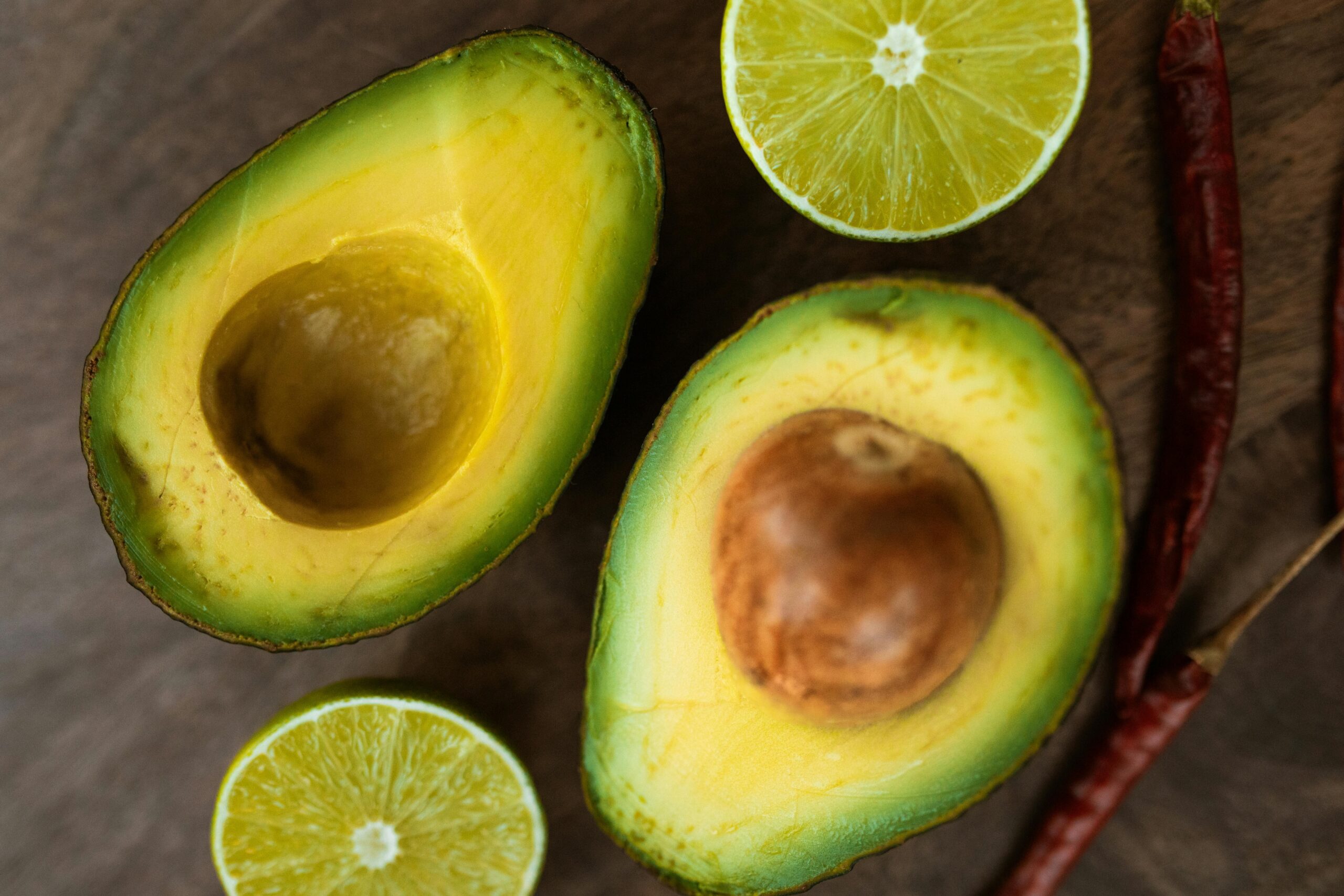
Avocado Nutrition Facts Explained: Benefits and How to Use It
Avocados have earned their reputation as a nutritional powerhouse in modern diets. This versatile fruit offers a unique nutrient profile that sets it apart from many other plant-based foods. Understanding the specific nutrition facts about avocados can help you make informed dietary choices and maximize their potential benefits.
Complete Nutritional Profile of Avocados
A medium-sized avocado, weighing approximately 100 grams, contains roughly 160 calories. What makes this caloric content significant is the quality of those calories. The fruit delivers substantial nutritional value without empty calories often found in processed foods.
Macronutrient Breakdown
Avocados contain approximately 2 grams of protein per 100 grams, making them a valuable addition to plant-based diets seeking protein sources. However, their true nutritional distinction lies in their fat composition. Avocados provide about 15 grams of fat per 100 grams, with nearly 10 grams comprising heart-healthy monounsaturated fats. These fats support cardiovascular function and contribute to satiety, helping you feel fuller longer. The carbohydrate content stands at approximately 8 grams per 100 grams, but only 1 gram constitutes sugars. This composition makes avocados suitable for various dietary approaches, including low-carbohydrate eating patterns.
Fiber Content and Digestive Health
One of the most impressive nutritional aspects of avocados is their dietary fiber content. A 100-gram serving provides approximately 7 grams of fiber, representing roughly 23 percent of the daily recommended intake for adults. This substantial fiber content supports digestive health, promotes regular bowel function, and contributes to overall gut wellness. Dietary fiber also plays a role in blood sugar regulation and cholesterol management. When consumed as part of a balanced diet, the fiber in avocados helps maintain steady energy levels throughout the day.
Micronutrients and Phytocompounds
Vitamins Present in Avocados
Avocados are particularly rich in folate, containing approximately 81 micrograms per 100 grams. Folate supports cellular function and is especially important for individuals of childbearing age. The fruit also contains vitamin K, providing about 21 micrograms per 100 grams, which contributes to bone health and blood clotting processes. Vitamin E, a potent antioxidant, is present in avocados at approximately 2.1 milligrams per 100 grams. This vitamin protects cells from oxidative stress and supports immune function. Additionally, avocados provide B vitamins including niacin, pantothenic acid, and vitamin B6, which participate in energy metabolism and nervous system function.
Essential Minerals
The mineral content of avocados contributes significantly to their health value. Potassium levels reach approximately 485 milligrams per 100 grams, surpassing the amount found in bananas. Adequate potassium intake supports healthy blood pressure regulation and cardiovascular function. Magnesium, present at about 29 milligrams per 100 grams, plays roles in muscle function, protein synthesis, and energy production. Copper and manganese, though required in smaller amounts, support bone health and metabolic processes.
Beneficial Plant Compounds
Avocados contain lutein and zeaxanthin, carotenoids associated with eye health and vision support. These compounds accumulate in the retina and may contribute to protective effects against age-related vision changes. The fruit also contains phenolic compounds that exhibit antioxidant properties, helping neutralize harmful free radicals in the body. These bioactive substances contribute to the overall anti-inflammatory potential of avocados when consumed regularly.
Talk to a Doctor
Get Answers to Your Health Questions
Connect with health professionals — anytime, from anywhere.
Talk to a Doctor
Get Answers to Your Health Questions
Connect with health professionals — anytime, from anywhere.
Practical Ways to Incorporate Avocados Into Your Diet
Breakfast Options
Starting your day with avocado provides sustained energy and nutritional density. Spread mashed avocado on whole grain toast and top with a poached egg for a balanced breakfast combining protein, healthy fats, and carbohydrates. Alternatively, add sliced avocado to smoothie bowls with Greek yogurt, berries, and granola for a nutrient-dense morning meal.
Lunch and Main Meals
Avocados enhance salad bowls by adding creamy texture without dressings high in refined oils. Incorporate cubed or sliced avocado into grain bowls with quinoa, roasted vegetables, and legumes. For sandwich preparation, avocado provides a healthier alternative to mayonnaise-based spreads while contributing nutritional value.
Snacks and Sides
Half an avocado sprinkled with sea salt and lemon juice makes a satisfying snack that provides healthy fats, fiber, and micronutrients. Create guacamole at home using avocado, lime juice, cilantro, and diced tomato as a dip for vegetable sticks or whole grain crackers.
Beverages and Desserts
Avocado can be blended into creamy beverages without dairy products, creating rich chocolate or vanilla drinks. The fruit's neutral flavor adapts well to both savory and sweet applications, allowing versatility in creative recipe development.
Selection and Storage Guidelines
Choosing ripe avocados requires gentle pressure assessment. A ripe avocado yields slightly to hand pressure without feeling mushy. Unripe avocados can be stored at room temperature for several days until they reach desired ripeness. Once ripe, refrigeration extends the usable window to approximately five additional days. To prevent browning of cut avocado flesh, apply lemon or lime juice to exposed surfaces, creating an acidic barrier that slows oxidation. Store cut avocado in an airtight container with the pit remaining intact when possible, as this preserves color and texture.
Nutritional Considerations for Different Populations
Avocados can fit into most dietary patterns when portion sizes are managed appropriately. One-half to one whole avocado per serving provides substantial nutrition without excessive caloric intake. Individuals monitoring fat consumption should note that avocado's fat content, while nutritionally beneficial, contributes meaningfully to daily totals. The fruit's potassium content makes it valuable for individuals requiring mineral-rich foods, though those with specific kidney conditions should consult appropriate health professionals regarding portion recommendations.
Conclusion
Avocado nutrition facts demonstrate why this fruit has become increasingly prominent in contemporary nutrition discussions. The combination of heart-healthy fats, substantial fiber, essential vitamins, and beneficial plant compounds creates a nutrient-dense food suitable for diverse dietary approaches. Whether incorporated into meals or consumed as snacks, avocados contribute meaningfully to nutritional intake and overall wellness goals. Understanding these nutritional components enables informed choices about including avocados in a balanced, varied diet that supports long-term health objectives.