
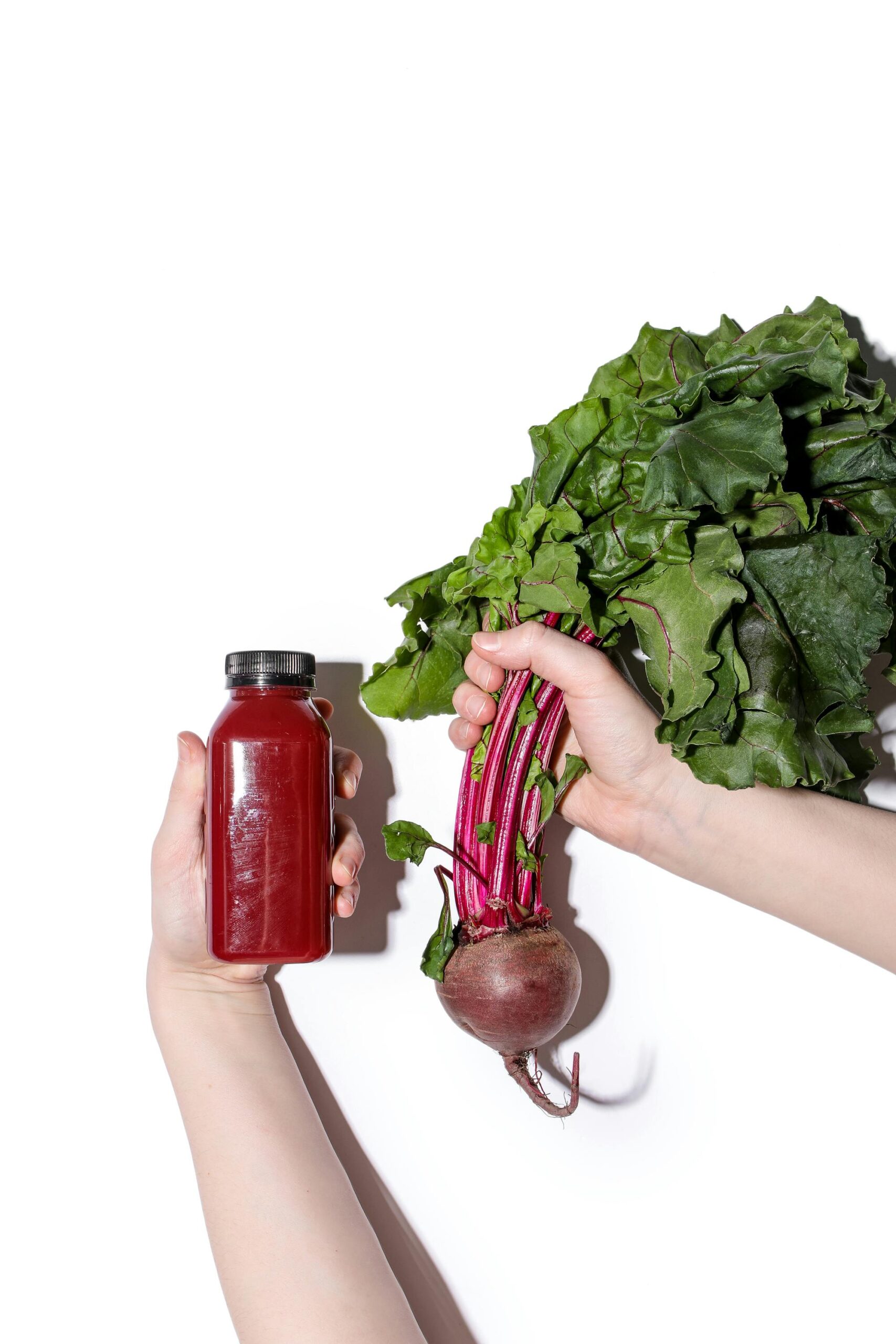
Beet Nutrition: A Complete Nutrition Guide
Understanding Beet Nutritional Profile
Beets have gained considerable attention in nutrition circles over recent years, and for good reason. These deep crimson vegetables pack an impressive array of nutrients that support various bodily functions and contribute to overall health maintenance. Understanding what beets contain nutritionally helps individuals make informed dietary choices and recognize why these vegetables deserve a prominent place in balanced meal planning.
A medium-sized raw beet, approximately 100 grams, contains roughly 43 calories and provides substantial nutritional value. The carbohydrate content sits around 10 grams, with approximately 2 grams of fiber, making beets a reasonable choice for those monitoring carbohydrate intake. The fiber content supports digestive health and helps maintain steady blood sugar levels throughout the day.
Beets deliver minimal fat, containing less than 1 gram per serving, while providing approximately 1.7 grams of protein. This macronutrient profile makes beets compatible with various dietary approaches and nutritional needs.
Key Vitamins and Minerals in Beets
The micronutrient composition of beets distinguishes them from many other vegetables. Folate stands out as a particularly abundant nutrient, with one serving providing a meaningful portion of daily requirements. This B vitamin plays crucial roles in cell division and DNA synthesis, making it especially important for individuals in reproductive years and those with elevated nutritional demands. Beets contain notable amounts of manganese, a mineral essential for bone formation, wound healing, and metabolic processes. Potassium is another significant mineral found in beets, supporting heart function, muscle contraction, and blood pressure regulation. The presence of vitamin C contributes to immune function and collagen synthesis. Magnesium, present in moderate quantities, supports muscle and nerve function while promoting bone health. These minerals work synergistically to support multiple physiological systems.
Talk to a Doctor
Get Answers to Your Health Questions
Connect with health professionals — anytime, from anywhere.
Talk to a Doctor
Get Answers to Your Health Questions
Connect with health professionals — anytime, from anywhere.
The Role of Betalains and Nitrates
Betalains: Pigments with Potential Benefits
The distinctive deep red and purple hues of beets come from compounds called betalains. These pigments possess antioxidant and anti-inflammatory properties that have attracted research interest. Betalains include betacyanins, responsible for the red coloring, and betaxanthins, which contribute yellow and orange tones.
Research suggests that betalains may help combat oxidative stress in the body. Oxidative stress occurs when free radicals accumulate and damage cells, contributing to aging and various health concerns. By providing antioxidant support, betalains help maintain cellular integrity and may support overall wellness.
The anti-inflammatory potential of betalains has been noted in research literature. Chronic inflammation contributes to various health conditions, and foods with anti-inflammatory compounds support the body's natural defense mechanisms.
Dietary Nitrates and Cardiovascular Support
Beets contain significant amounts of dietary nitrates, compounds that the body converts into nitric oxide. This conversion process supports blood vessel function and healthy blood circulation. Nitric oxide helps blood vessels maintain elasticity and supports normal blood flow, which has implications for cardiovascular health and oxygen delivery throughout the body.
Athletic performance research has explored nitrate consumption, noting that adequate dietary nitrates may support muscle oxygen utilization during physical activity. This makes beets relevant for individuals focused on fitness and exercise performance.
Practical Integration Into Daily Nutrition
Fresh Beet Preparation Methods
Raw beets retain maximum nutritional value and can be incorporated into salads, slaws, and grain bowls. Grating or thinly slicing raw beets creates versatile ingredients that pair well with leafy greens, nuts, and vinaigrette dressings. The earthy flavor complements both savory and slightly sweet preparation styles.
Roasting beets brings out their natural sweetness and creates a tender texture suitable for various dishes. This cooking method reduces preparation time and makes beets more palatable for those who find raw beets too intense. Roasted beets work well in grain salads, alongside legumes, or as standalone sides.
Beet Juice and Beetroot Powder Considerations
Beet juice concentrates nutrients into liquid form, making it convenient for some individuals. However, whole beets provide fiber that juice lacks. If choosing juice, consuming it alongside whole food sources of fiber and protein helps balance nutrient absorption and maintains steady blood sugar levels.
Beetroot powder offers portability and shelf stability. It can be stirred into smoothies, oatmeal, or yogurt. When selecting powdered forms, checking ingredient lists ensures no added sugars or unnecessary additives affect nutritional quality.
Incorporating Beets Into Diverse Diets
Vegetable-Centric Meal Planning
Beets work seamlessly into vegetable-forward eating patterns. A simple approach involves adding roasted beets to weekly meal preparations, creating components for multiple meals throughout the week. Pair roasted beets with whole grains like quinoa or brown rice, add legumes such as chickpeas or lentils, and combine with leafy greens for complete nutritional profiles.
Beet-Based Side Dishes
Beets can transform into appealing side dishes that complement various main courses. Beet and walnut salads provide healthy fats alongside betalain-rich vegetables. Beet and goat cheese combinations balance earthy vegetable flavors with creamy texture. Pickled beets offer extended storage options while maintaining nutritional content.
Practical Serving Suggestions
- Add grated raw beets to existing salad recipes
- Roast beets weekly for grab-and-go meal components
- Blend beet juice into fruit smoothies for added nutrition
- Include beets in vegetable soups and stews
- Create beet-based dips or spreads with Greek yogurt
- Incorporate beets into grain bowls for visual appeal and nutrition
- Try beets alongside protein sources like fish or poultry
Considerations and Individual Factors
While beets offer significant nutritional benefits, certain individuals should consider their consumption levels. Those prone to kidney stones historically were advised to moderate beet consumption due to oxalate content, though current evidence suggests moderate intake poses minimal risk for most people. Consulting with a healthcare provider addresses individual circumstances and concerns.
Individuals taking specific medications affecting blood pressure or clotting should discuss beet consumption with their healthcare provider, as dietary changes can interact with treatment plans.
Conclusion
Beet nutrition represents a valuable addition to balanced dietary approaches. The combination of essential vitamins, minerals, beneficial plant compounds, and dietary nitrates makes beets worthy of regular consumption. From fresh preparations to roasted varieties, beets offer flexibility in meal planning while delivering consistent nutritional benefits.
Whether incorporated as salad components, roasted sides, or juice additions, beets support nutritional goals across diverse dietary preferences and health objectives. Beginning with small amounts and gradually increasing consumption allows individuals to find preparation methods and quantities that work best for their preferences and lifestyle.
Reference
Kemmler W, Stengel S. (2011). The Intensity and Effects of Strength Training in the Elderly. Deutsches Ärzteblatt International, 108(21), 359-364. https://pmc.ncbi.nlm.nih.gov/articles/PMC3117172/