
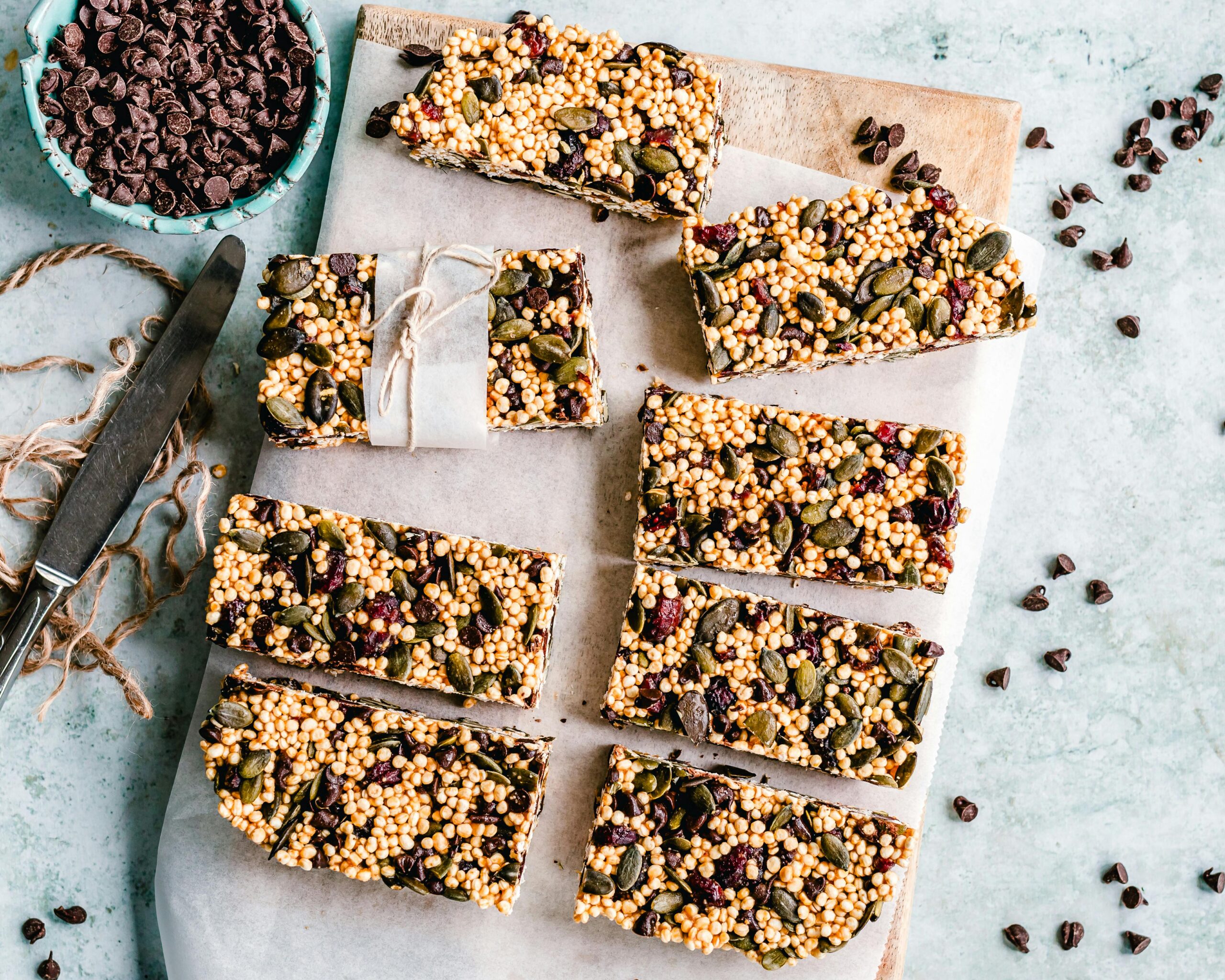
Everything You Need to Know About Vegan Protein Bars: Nutrition, Benefits, and Selection Guide
Vegan protein bars have become increasingly popular among fitness enthusiasts, athletes, and health-conscious individuals seeking convenient nutrition solutions. Whether you follow a plant-based diet or simply want to incorporate more sustainable protein sources into your routine, understanding the nutritional composition and benefits of these products is essential for making informed choices.
Understanding Vegan Protein Bars
Vegan protein bars represent a category of nutrition products designed to deliver plant-based protein without animal-derived ingredients. Unlike traditional protein bars that often contain whey or casein protein from dairy, vegan options utilize protein sources from plant materials such as legumes, nuts, seeds, and grains.
What Makes Them Different
The primary distinction between vegan and conventional protein bars lies in their protein sources. Plant-based bars typically derive their protein from ingredients including pea protein, hemp seed, brown rice protein, soy protein isolate, and nut butters. These alternatives provide comparable protein content while maintaining ethical and environmental considerations for those prioritizing plant-based nutrition.
The formulation process for vegan protein bars requires careful attention to amino acid profiles. While animal proteins naturally contain all nine essential amino acids, plant-based proteins sometimes lack one or more essential amino acids individually. Manufacturers address this by combining complementary protein sources or including additional amino acid fortification to ensure complete nutritional profiles.
Nutritional Composition and Benefits
Protein Content and Quality
Most quality vegan protein bars contain between 10 to 20 grams of protein per serving, making them suitable for post-workout recovery and daily nutrition supplementation. The digestibility and amino acid composition vary depending on the protein sources used.
Pea protein, one of the most common plant-based options, contains all nine essential amino acids and offers high digestibility rates comparable to whey protein. Hemp seed protein provides omega-3 and omega-6 fatty acids alongside protein content, offering additional nutritional benefits beyond amino acids alone.
Additional Nutritional Elements
- Fiber content ranging from 3 to 10 grams per bar, supporting digestive health and satiety
- Micronutrients including vitamins B12, iron, and calcium often added through fortification
- Healthy fats from nuts, seeds, and plant oils
- Carbohydrates for energy, with many options featuring whole grain or lower glycemic ingredients
Talk to a Doctor
Get Answers to Your Health Questions
Connect with health professionals — anytime, from anywhere.
Talk to a Doctor
Get Answers to Your Health Questions
Connect with health professionals — anytime, from anywhere.
Supporting Physical Activity
Research in exercise physiology indicates that adequate protein consumption supports muscle recovery and maintenance following resistance training. Plant-based proteins, when appropriately formulated with complete amino acid profiles, provide sufficient support for athletic performance and strength development in both animal and plant-based diet followers.
The convenience factor cannot be overlooked. Vegan protein bars provide portable nutrition for individuals with demanding schedules, making consistent protein intake more achievable throughout the day.
Choosing the Right Vegan Protein Bar
Reading Ingredient Lists Effectively
When selecting a vegan protein bar, examining the ingredient list reveals the actual composition beyond marketing claims. Look for bars listing whole food ingredients prominently, with minimal ultra-processed additions.
- Primary protein sources listed in the first few ingredients
- Whole grain or fiber sources rather than refined carbohydrates
- Minimal added sugars, ideally under 5 grams per bar
- Natural sweetening agents when possible
- Absence of unnecessary artificial additives
Identifying Quality Standards
Reputable manufacturers often obtain third-party certifications verifying their nutritional claims and absence of contamination. Look for certifications from organizations focused on natural and organic standards, which indicate adherence to specific quality requirements. Transparency in labeling demonstrates manufacturer confidence in their products. Detailed nutritional information, clear ingredient sourcing, and honest marketing reflect ethical business practices you can trust.
Sugar Content Assessment
While some sweetness improves palatability, excessive sugar contradicts health-focused nutrition goals. Bars containing whole food sweeteners like dates, coconut sugar, or monk fruit typically offer better nutritional profiles than those relying on refined sugars or sugar alcohols.
Texture and Taste Considerations
Personal preference significantly impacts whether you will consistently use protein bars as part of your nutrition routine. Some people prefer softer, chewier textures, while others favor denser, crunchier options. Trying sample packages helps identify your preference without committing to large purchases.
Incorporating Vegan Protein Bars Into Your Routine
Timing and Usage
Vegan protein bars work effectively in several contexts. Post-workout consumption supports muscle recovery when consumed within two hours following resistance training. Between-meal consumption helps prevent energy crashes and maintains consistent protein intake throughout the day. As a convenient breakfast option, they provide satisfying nutrition when time-constrained.
Complementing Overall Nutrition
While useful supplementary products, vegan protein bars work best as components within balanced diets rather than replacements for whole foods. Combine bar consumption with regular meals featuring diverse plant-based proteins, whole grains, fruits, and vegetables for comprehensive nutritional support. Individuals with specific dietary requirements or health conditions should review nutritional information carefully, ensuring alignment with their personal nutritional needs and any dietary restrictions.
Evaluating Marketing Claims
Understanding Common Terminology
The term "natural" holds minimal regulatory definition and appears frequently on supplement packaging. Focusing on specific ingredients and certifications provides more reliable information than vague natural claims. Terms like "superfood" lack scientific standardization and represent marketing language rather than nutritional categories. Evaluate bars based on actual nutritional content rather than trendy terminology.
Realistic Expectations
Vegan protein bars function as convenient nutrition supplements, not miracle solutions for fitness goals or health conditions. Achieving physical fitness results requires consistent training programs and comprehensive nutritious diets of which bars form only one component. Bars labeled with weight management claims should be evaluated within the context of overall caloric intake and activity levels, recognizing that individual results vary significantly based on numerous lifestyle factors.
Environmental and Ethical Considerations
Plant-based protein bars generally demonstrate lower environmental impact compared to animal protein products, requiring fewer natural resources for production. This appeals to environmentally conscious consumers seeking to reduce their ecological footprint. Packaging sustainability increasingly influences purchasing decisions. Many manufacturers now utilize recyclable or compostable packaging materials, aligning products with environmental values.
Potential Considerations
Some individuals may experience digestive adjustments when incorporating high-fiber plant-based bars, particularly those unaccustomed to elevated fiber intake. Introducing bars gradually and increasing water consumption supports digestive adaptation. Individuals with allergies to common vegan protein sources such as soy, tree nuts, or legumes should review ingredient lists carefully or consult appropriate professionals regarding specific products.
Conclusion
Vegan protein bars represent practical tools for individuals seeking convenient plant-based protein supplementation. By understanding nutritional composition, learning to evaluate ingredient lists, and selecting products aligned with personal health goals, you can effectively incorporate these products into balanced nutrition routines. Success comes through informed selection and viewing bars as components within comprehensive wellness approaches rather than standalone solutions.
Reference
Kemmler W, Stengel S. (2011). The Intensity and Effects of Strength Training in the Elderly. Deutsches Ärzteblatt International, 108(21), 359-364. https://pmc.ncbi.nlm.nih.gov/articles/PMC3117172/