
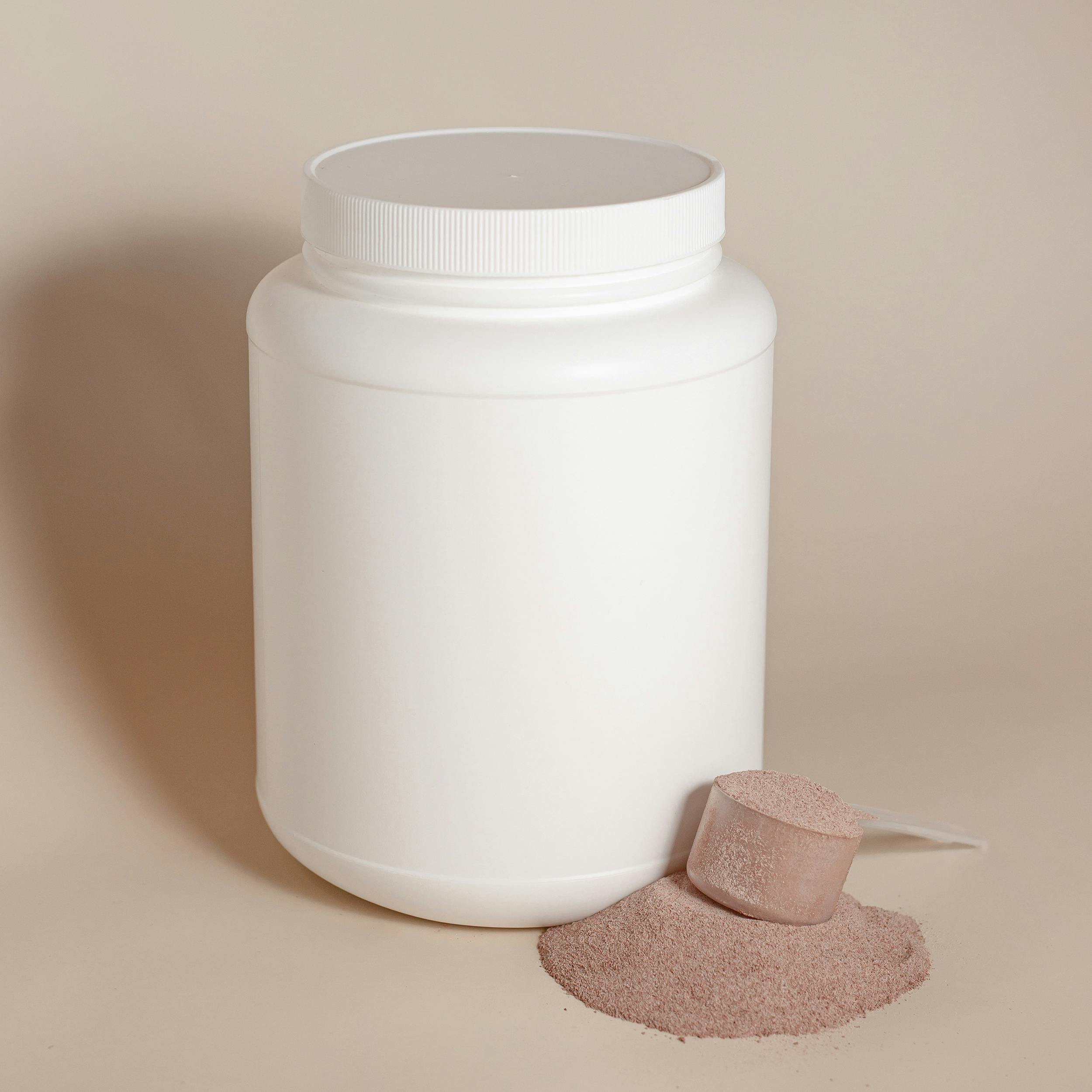
Whey Protein Powder Explained: Benefits and How to Use It
Understanding Whey Protein Powder
Whey protein powder has become a staple in fitness and nutrition communities worldwide. Derived from milk during cheese production, whey is a complete protein containing all nine essential amino acids your body cannot produce independently. This makes it a practical and efficient way to support your nutritional goals, whether you're focused on building muscle, improving recovery, or maintaining overall wellness.
The popularity of whey protein extends beyond athletes and fitness enthusiasts. Many people use it to supplement their daily protein intake, support active lifestyles, and enhance workout performance. Understanding how whey protein works and how to use it properly can help you make informed decisions about whether it fits your nutritional needs.
Key Benefits of Whey Protein Powder
Supporting Muscle Development and Strength
Whey protein plays an important role in supporting muscle protein synthesis, which is the process your body uses to build and repair muscle tissue. When combined with resistance training, consuming adequate protein helps your muscles adapt and grow stronger. The branched-chain amino acids (BCAAs) found in whey, particularly leucine, are especially important for triggering this muscle-building response.
Research indicates that individuals engaged in strength training who consume sufficient protein experience better outcomes in muscle development compared to those with inadequate protein intake. This is why whey protein has become popular among people following structured exercise programs.
Enhancing Post-Workout Recovery
Your muscles experience micro-tears during exercise, and recovery is when adaptation occurs. Whey protein provides the amino acids necessary to repair these tissues effectively. Consuming protein within a reasonable timeframe after exercise supports the recovery process and may reduce muscle soreness.
Many fitness enthusiasts use whey protein shakes immediately after training sessions to deliver amino acids to muscles when they're primed to absorb nutrients. This practice has become commonplace because it offers convenience and efficiency in meeting post-workout nutritional needs.
Supporting Satiety and Nutritional Balance
Protein is the most satiating macronutrient, meaning it helps you feel fuller for longer. Incorporating whey protein into meals or snacks can support better appetite management throughout the day. This makes whey protein useful for people working toward body composition goals who want to maintain adequate nutrition without excessive calorie intake.
Convenient Nutritional Support
For busy individuals, whey protein powder offers a quick way to add high-quality protein to your diet. A simple shake takes minutes to prepare and provides substantial protein content without requiring cooking or extensive preparation. This convenience factor explains why whey protein remains popular among working professionals and active individuals.
Talk to a Doctor
Get Answers to Your Health Questions
Connect with health professionals — anytime, from anywhere.
Talk to a Doctor
Get Answers to Your Health Questions
Connect with health professionals — anytime, from anywhere.
Understanding Different Types of Whey Protein
Whey Protein Concentrate
Whey protein concentrate typically contains 70-80% protein by weight, with the remainder being lactose and fats. It offers good nutritional value at a lower price point than other forms, making it accessible for most people. Some individuals find concentrates more palatable due to their slightly richer flavor profile.
Whey Protein Isolate
Whey protein isolate undergoes additional processing to remove most lactose and fat, resulting in 90% or higher protein content. This form is beneficial for people sensitive to lactose or those seeking minimal carbohydrate and fat intake. Isolates mix more easily into liquids and absorb relatively quickly.
Whey Protein Hydrolysate
Hydrolysate represents pre-broken-down whey protein, making it easier for your body to absorb. While this form offers theoretical advantages in absorption speed, the practical differences for most people are minimal. Hydrolysates typically cost more than concentrates or isolates.
How to Use Whey Protein Powder Effectively
Determining Your Protein Needs
Before incorporating whey protein, understand your overall protein requirements. Active individuals generally need 1.6 to 2.0 grams of protein per kilogram of body weight daily. Calculate your needs and determine how much whey protein can reasonably fit into your total diet without exceeding your nutritional goals.
Timing Considerations
While protein timing isn't as critical as total daily intake, consuming protein after exercise supports recovery. A shake containing 20-40 grams of whey protein within a few hours after training provides your muscles with amino acids during a responsive period. The exact timing window is flexible, and consistency matters more than perfection.
Preparation Methods
The most common approach is mixing powder with water or milk. Using cold water creates a lighter shake, while milk adds creaminess and additional nutrients. For smoother texture, blend whey protein with:
- Fruits like bananas or berries
- Vegetables such as spinach
- Nut butters for added calories and flavor
- Oats for sustained carbohydrates
- Greek yogurt for extra protein and creaminess
Proper Mixing Technique
To avoid clumpy shakes, add liquid first, then whey powder, then additional ingredients. Blend thoroughly or shake vigorously until smooth. Allowing the mixture to rest briefly can help eliminate air bubbles and improve texture.
Integration into Meals
Beyond traditional shakes, whey protein can enhance various foods. Add it to oatmeal, pancake batter, smoothie bowls, or mixed into yogurt. This versatility allows you to increase protein content throughout your day without relying solely on shakes.
Practical Usage Tips
Start with one serving daily to assess tolerance and taste preferences. Most whey protein powders provide 20-30 grams of protein per scoop. Drink plenty of water throughout the day, as adequate hydration supports protein utilization and overall performance. Store whey protein in a cool, dry location away from direct sunlight. Keep containers sealed tightly to maintain freshness. Quality protein powders maintain effectiveness for extended periods when stored properly.
Considerations for Different Populations
Athletes pursuing strength development benefit from consistent whey protein use alongside structured training. Older adults can use whey protein to support muscle maintenance and strength, particularly important as natural muscle loss accelerates with age. Individuals recovering from illness or injury may find whey protein helpful for supporting tissue repair.
Conclusion
Whey protein powder offers a practical, evidence-supported approach to meeting protein requirements and supporting fitness goals. Whether your focus is muscle building, workout recovery, or simply convenient nutrition, understanding how to select and use whey protein appropriately helps maximize its potential benefits. Combined with consistent training and balanced nutrition, whey protein can be a valuable tool in supporting your health and fitness journey.