
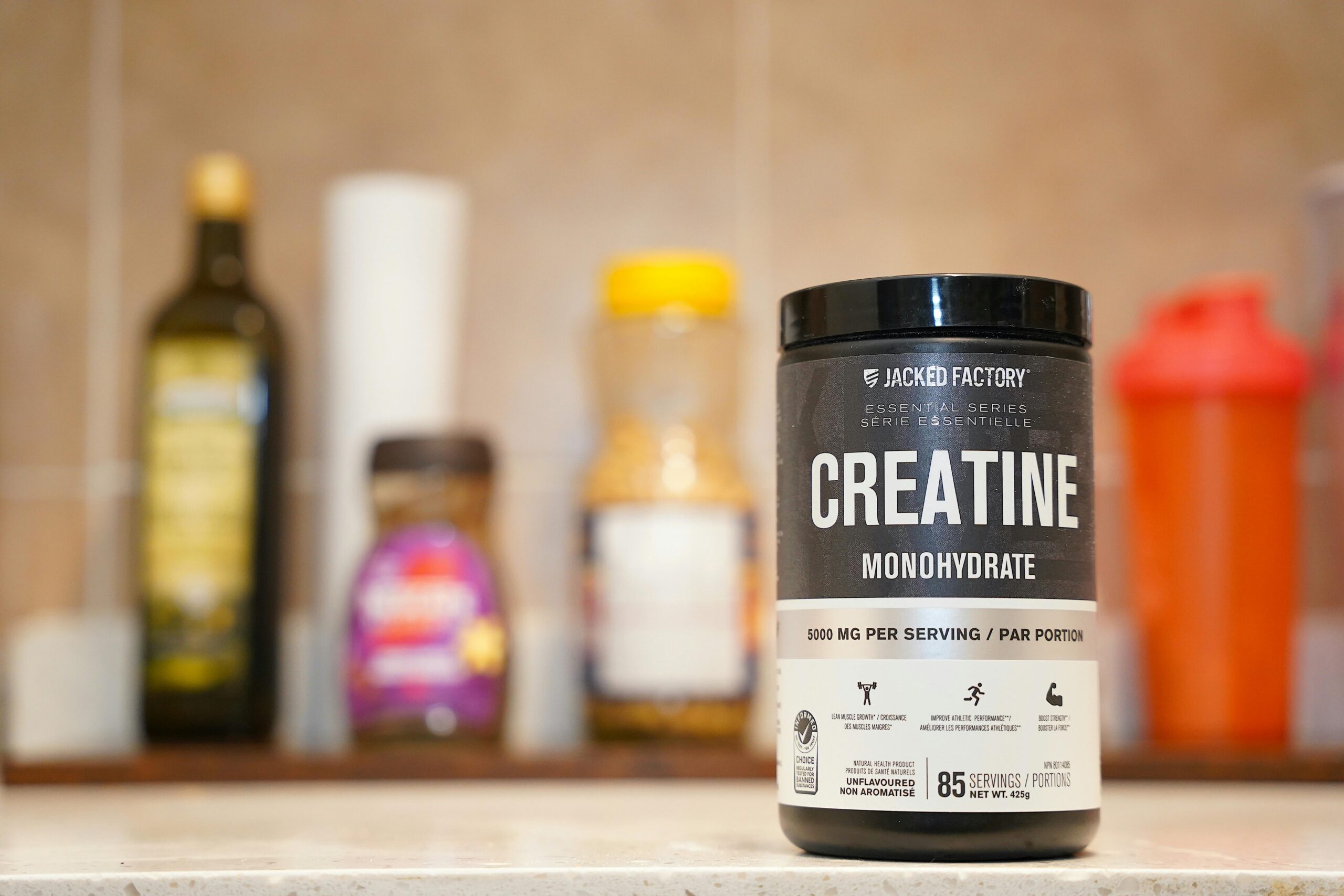
Creatine Monohydrate Explained: Benefits and How to Use It Safely
Understanding Creatine Monohydrate
Creatine monohydrate is one of the most researched and widely used dietary supplements in fitness and athletic performance. It consists of creatine, a naturally occurring organic acid found in muscle cells, bonded with monohydrate molecules. Your body produces creatine naturally through the kidneys and liver, and it is also obtained through dietary sources such as meat and fish.
This supplement has gained considerable attention over the past few decades due to its potential to enhance physical performance and support muscle development. Unlike many trending supplements, creatine monohydrate has substantial scientific support for its effectiveness and safety profile when used appropriately.
How Creatine Monohydrate Works in Your Body
Creatine functions primarily as an energy source for muscle contractions. When you exercise, your muscles require adenosine triphosphate (ATP), which is the energy currency of your cells. Creatine helps regenerate ATP more quickly, allowing your muscles to sustain high-intensity efforts for longer periods.
This mechanism explains why creatine supplementation is particularly beneficial for activities requiring short bursts of intense effort, such as weightlifting, sprinting, and high-intensity interval training. By increasing the availability of creatine in muscle tissue, supplementation may help you perform more repetitions, lift heavier weights, or maintain exercise intensity more effectively.
The supplement does not provide immediate energy like caffeine. Instead, it works by building up in your muscle tissue over time, with effects typically becoming noticeable after several days to weeks of consistent use.
Talk to a Doctor
Get Answers to Your Health Questions
Connect with health professionals — anytime, from anywhere.
Talk to a Doctor
Get Answers to Your Health Questions
Connect with health professionals — anytime, from anywhere.
Key Benefits of Creatine Monohydrate
Muscle Strength and Power Output
Research indicates that creatine monohydrate supplementation can enhance maximum strength and power production during resistance training. Regular users often report improved performance metrics during weightlifting sessions, including increased repetitions at given weights or heavier loads lifted.
Muscle Growth and Development
When combined with appropriate strength training, creatine may support muscle hypertrophy. The supplement facilitates better training performance, which can lead to greater stimulus for muscle growth over time. Additionally, creatine draws water into muscle cells, which may contribute to muscle volume and create an environment more conducive to adaptation.
Endurance Performance
While creatine is best known for high-intensity efforts, it may also benefit repeated bouts of intense activity. Athletes engaging in sport-specific training involving multiple efforts or sets may experience improved performance across sessions.
Cognitive Function
Beyond athletic performance, some research suggests creatine may support cognitive function and brain energy metabolism. This benefit is particularly interesting for individuals interested in overall health optimization.
Recovery Support
Some evidence suggests creatine may play a modest role in recovery between training sessions by supporting muscle energy systems and reducing fatigue markers.
Proper Dosing Guidelines
Loading Phase
Many users follow a loading protocol to saturate muscle tissue with creatine more quickly. The loading phase is optional and can accelerate initial benefits.
- Consume approximately 20 grams daily
- Divide the daily amount into four 5-gram doses
- Continue this protocol for five to seven days
- Note that the loading phase is optional and accelerates initial effects
Maintenance Phase
Following the loading phase, most users take 3 to 5 grams daily. If you choose not to load, you can begin with this maintenance dose, though benefits will take longer to develop, typically two to four weeks.
Timing Considerations
While creatine is not time-sensitive like certain other supplements, taking it with a meal containing carbohydrates and protein may enhance absorption. Consistency matters more than precise timing.
Important Usage Considerations
Hydration Requirements
Creatine supplementation increases water retention in muscle tissue. Maintaining adequate hydration becomes increasingly important when using this supplement. Aim to drink sufficient water throughout the day, particularly around training sessions.
Individual Response Variation
Not everyone responds identically to creatine supplementation. Some individuals are non-responders and may not experience noticeable benefits. This variation is normal and does not indicate a problem with either the product or the user.
Duration of Use
Creatine can be used long-term without significant concerns. Many athletes use it continuously for years. If you discontinue supplementation, creatine levels in muscle tissue return to baseline over several weeks.
Safety and Side Effects
Potential Mild Effects
Some users report minimal side effects such as water retention, mild digestive discomfort, or slight weight gain from increased water retention in muscle tissue. These effects are generally harmless and often subside as the body adapts.
Who Should Exercise Caution
Individuals with pre-existing kidney or liver conditions should consult a qualified healthcare provider before beginning creatine supplementation. While research does not demonstrate harm in healthy kidneys, medical supervision is advisable for those with compromised renal function. Adequate hydration is essential when supplementing with creatine. Those who cannot maintain proper fluid intake should delay supplementation until hydration can be prioritized.
Quality and Product Selection
When choosing a creatine monohydrate product, look for several indicators of quality:
- Third-party testing certifications
- Micronized formulations for improved absorption
- Products from reputable manufacturers
- Minimal additives or fillers
- Clear labeling with ingredient information
Combining Creatine with Other Practices
Creatine supplementation works best as part of a comprehensive approach to fitness and health. It complements rather than replaces:
- Consistent strength training programs
- Adequate protein intake
- Sufficient caloric consumption for your goals
- Regular physical activity
- Quality sleep and recovery
- Proper hydration practices
Without these foundational elements, creatine supplementation alone produces minimal results.
Conclusion
Creatine monohydrate represents a well-researched supplement option for individuals seeking to enhance athletic performance and support muscle development. Its safety profile, affordability, and scientific support make it a reasonable consideration for those engaged in strength training or high-intensity athletic pursuits. Proper dosing, adequate hydration, and realistic expectations ensure the best outcomes. Understanding that creatine works gradually over time and requires consistency helps set appropriate goals for supplementation. As with any supplement, those with existing health conditions should seek professional guidance before beginning use.