
What Is Zero Calorie Food? Benefits, Uses & What to Know
Understanding Zero Calorie Foods
Zero calorie foods have become increasingly popular in weight management conversations, yet many people misunderstand what this term actually means. These are foods that contain minimal calories, typically fewer than 5 calories per serving according to FDA labeling regulations. While the term "zero calorie" is somewhat of a marketing convention, these foods genuinely offer significant advantages for individuals seeking to manage their weight while maintaining adequate nutrition.
The concept isn't entirely new, but modern nutrition science has given us a clearer picture of how these foods function within our dietary framework. Unlike processed diet products, true zero calorie foods are whole foods that naturally contain very few calories because they're primarily composed of water and fiber.
How Zero Calorie Foods Actually Work
The Thermic Effect of Food
One of the most interesting aspects of zero calorie foods relates to the thermic effect, which refers to the calories your body burns during digestion. Foods high in fiber and protein require more energy to break down, meaning your body expends calories just processing them. While this effect alone won't dramatically transform your weight, it contributes meaningfully to overall energy expenditure when these foods become dietary staples.
Water Content and Satiety
Zero calorie foods typically contain 90 percent or more water, making them exceptional for satiety. When you consume foods with high water content, you feel fuller longer despite consuming minimal calories. This physiological response helps reduce overall caloric intake throughout the day without requiring constant willpower or restriction. Fiber content amplifies this effect. Soluble fiber slows gastric emptying, keeping you satisfied between meals. Insoluble fiber adds bulk to meals, creating a sense of fullness that signals your brain that adequate nutrition has occurred.
Talk to a Doctor
Get Answers to Your Health Questions
Connect with health professionals — anytime, from anywhere.
Talk to a Doctor
Get Answers to Your Health Questions
Connect with health professionals — anytime, from anywhere.
Common Zero Calorie Foods
Vegetables
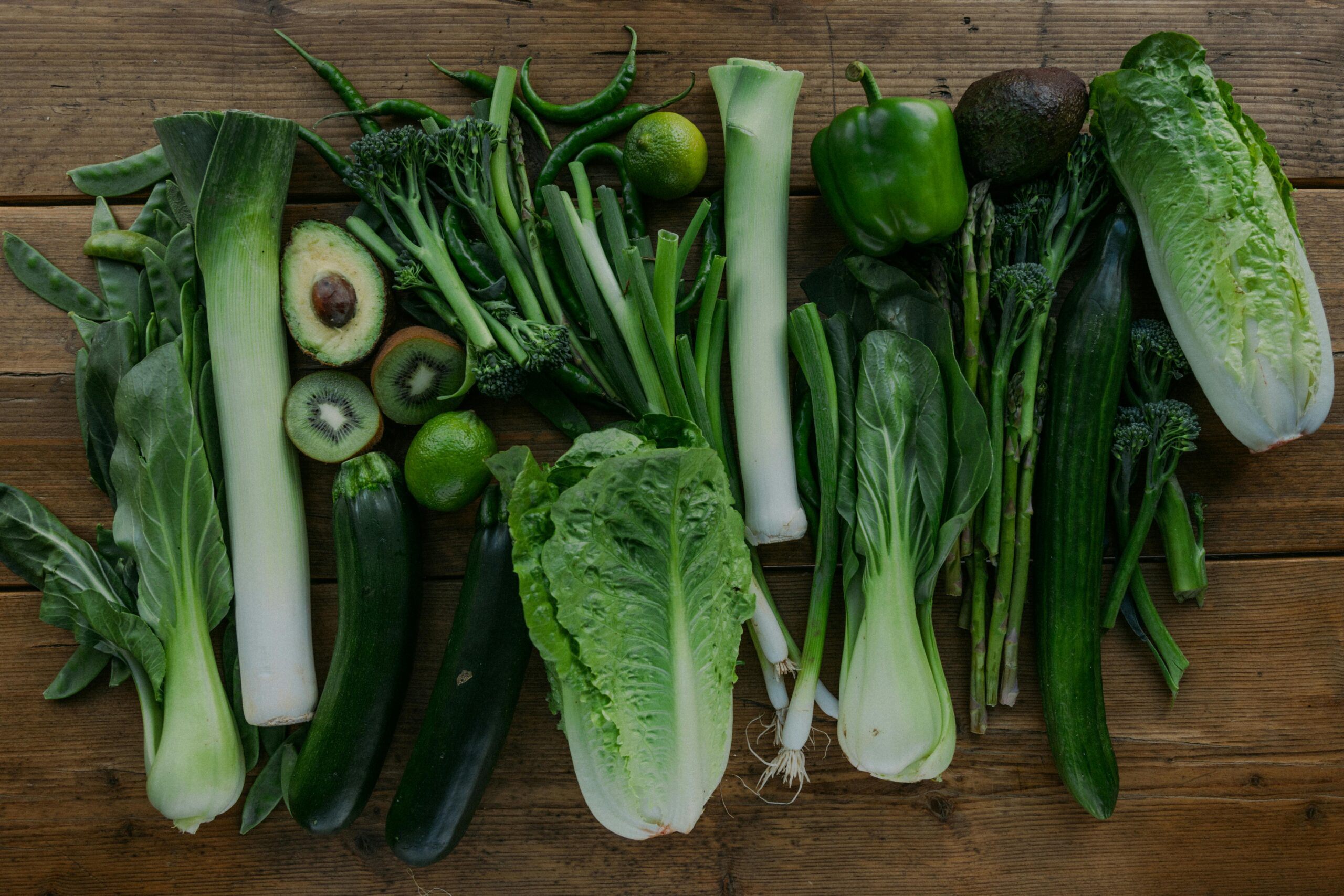
- Leafy greens (spinach, kale, lettuce, arugula)
- Cruciferous vegetables (broccoli, cauliflower, Brussels sprouts)
- Celery, cucumber, zucchini
- Bell peppers, tomatoes, asparagus
- Mushrooms and green beans
Fruits with Lower Caloric Density
- Watermelon and cantaloupe
- Strawberries and raspberries
- Grapefruit and lemons
Benefits of Incorporating Zero Calorie Foods
Weight Management Without Deprivation
One significant advantage is the ability to eat satisfying portions without accumulating excessive calories. A person can consume multiple cups of leafy greens or raw vegetables for the same caloric cost as a few crackers. This allows for psychologically sustainable eating patterns where people don't feel deprived or hungry.
Enhanced Nutrient Density
Zero calorie foods are calorie bargains precisely because they're packed with nutrients. Spinach, for example, contains iron, calcium, magnesium, vitamins A, C, and K, plus various phytonutrients, with negligible calories. This nutrient density means your body receives substantial micronutrition even when total caloric intake is lower.
Blood Sugar Stability
Foods high in fiber help regulate blood glucose levels by slowing carbohydrate absorption. This prevents the energy crashes associated with refined carbohydrates and helps maintain consistent energy throughout the day.
Digestive Health
Fiber from zero calorie foods feeds beneficial gut bacteria and supports healthy digestion. Regular consumption promotes bowel regularity and may reduce risk of certain digestive conditions.
How to Use Zero Calorie Foods Effectively
Strategic Meal Building
Nutritional balance remains essential. Zero calorie foods work best as part of a comprehensive diet that includes adequate protein, healthy fats, and whole grains. A productive strategy involves using vegetables as the foundation for meals, then adding lean proteins and whole grains in appropriate portions.
Preparation Methods Matter
How you prepare these foods affects their healthfulness. Raw or steamed preparation preserves maximum nutrients. Adding excessive oils, butter, or high-calorie dressings defeats the purpose. Light seasonings, herbs, and low-calorie flavor enhancers work well.
Variety Ensures Completeness
Different colored vegetables provide different nutrient profiles. Eating a rainbow of vegetables throughout the week ensures comprehensive micronutrient intake and prevents boredom.
Important Considerations
Not a Weight Loss Guarantee
While zero calorie foods support weight management, they cannot independently create weight loss. Total caloric intake, physical activity, sleep quality, and stress management all influence body weight. These foods are tools within a comprehensive approach.
Potential Nutrient Gaps
Relying exclusively on zero calorie foods would create nutritional deficiencies. These foods lack significant protein, healthy fats, and calorie-dense nutrients necessary for various bodily functions. They work best as components of balanced meals.
Individual Tolerance Varies
Some people experience digestive discomfort from consuming large quantities of cruciferous vegetables or raw foods. Those with certain digestive conditions should consult with a healthcare provider about appropriate amounts.
Beyond Weight Loss
The focus shouldn't solely be caloric reduction. Zero calorie foods contribute to overall health through antioxidants, anti-inflammatory compounds, and fiber that support long-term wellness beyond simple weight metrics.
Integrating Zero Calorie Foods Into Daily Life
Practical Strategies
Start by increasing vegetable intake gradually rather than making dramatic overnight changes. Add vegetables to breakfasts, create hearty salads for lunch, and use vegetables as primary ingredients in dinner dishes rather than side items. Keep prepared vegetables accessible for snacking. Batch preparation saves time and encourages consistent consumption. Washing and chopping vegetables when you have energy makes healthy eating more convenient.
Making Flavor Work
Many people abandon vegetables due to blandness. Exploring different cooking methods, trying various seasonings, and experimenting with different vegetable varieties prevents monotony and maintains long-term adherence.
Conclusion
Zero calorie foods represent a powerful tool for health-conscious individuals seeking sustainable weight management without the deprivation often associated with restrictive diets. These foods, primarily water-rich and fiber-dense vegetables and fruits, provide exceptional nutritional value while contributing minimally to daily caloric intake. By understanding how these foods function physiologically and incorporating them thoughtfully into balanced meals, people can support their health goals while enjoying satisfying, flavorful eating patterns. Remember that these foods work best as components of comprehensive nutritional strategies that include adequate protein, healthy fats, and whole grains. Long-term health benefits extend far beyond calorie counting, encompassing improved digestion, stable energy levels, and enhanced nutrient status.
Reference
- Kemmler W, Stengel S. (2011). The Intensity and Effects of Strength Training in the Elderly. Deutsches Ärzteblatt International, 108(21), 359-364. https://pmc.ncbi.nlm.nih.gov/articles/PMC3117172/
- https://www.healthline.com/
Word Count: 987