
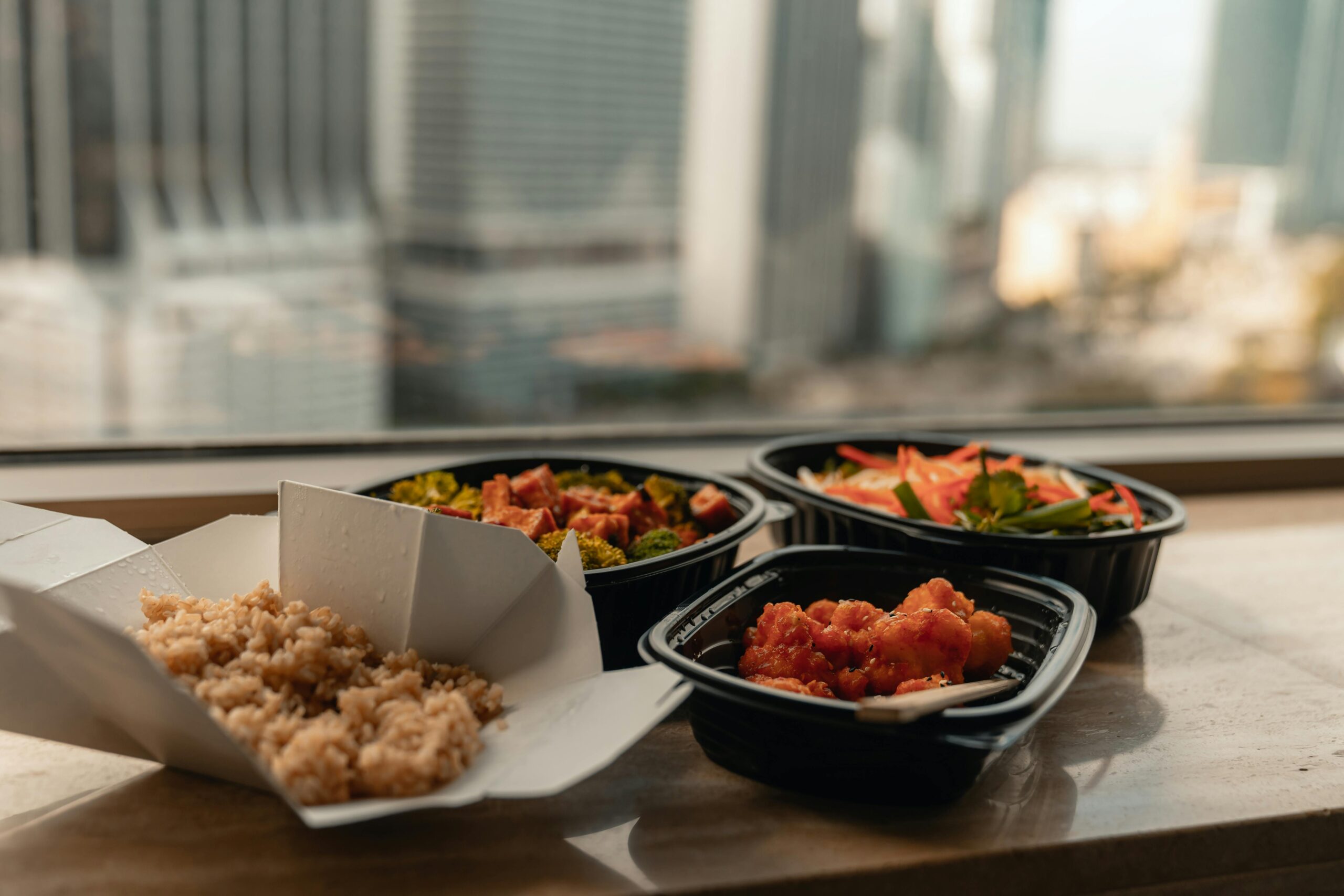
Navigating Nutritional Choices at Fast Casual Restaurants: A Complete Guide
Understanding the Fast Casual Dining Landscape
Fast casual dining has become a staple in modern food culture, offering convenience and variety to busy individuals. However, making nutritionally sound choices in this environment requires awareness and strategy. Unlike traditional fast food, fast casual establishments typically provide transparency about ingredients and nutritional content, allowing diners to make informed decisions that align with their health goals.
The key to successful dining out lies in understanding your nutritional needs and having a framework for evaluating menu options. By approaching restaurant meals with intentionality, you can enjoy eating out while maintaining dietary balance.
The Importance of Nutritional Awareness
Understanding Your Dietary Needs
Before entering any restaurant, understanding your personal nutritional requirements forms the foundation for making healthy choices. Daily caloric needs vary based on age, activity level, metabolism, and health status. Most adults require between 1,800 and 2,500 calories daily, though individual needs differ significantly.
- Protein: 10-35% of total daily calories
- Carbohydrates: 45-65% of total daily calories
- Fats: 20-35% of total daily calories
Reading Nutritional Information
Most fast casual restaurants now provide detailed nutritional information for menu items. This transparency enables evidence-based decision making. When reviewing nutritional data, consider:
- Total caloric content relative to your daily needs
- Sodium levels, which should remain below 2,300 mg daily
- Added sugars, ideally limited to less than 25-36 grams daily depending on individual needs
- Fiber content, targeting 25-38 grams daily
- Protein quantity and quality
Taking time to review this information before ordering removes guesswork and empowers you to select options aligned with your objectives.
Talk to a Doctor
Get Answers to Your Health Questions
Connect with health professionals — anytime, from anywhere.
Talk to a Doctor
Get Answers to Your Health Questions
Connect with health professionals — anytime, from anywhere.
Strategic Menu Navigation
Building Balanced Meal Components
A nutritionally complete restaurant meal incorporates three essential elements: protein, vegetables or whole grains, and healthy fats. This structure ensures satiety, stable blood sugar, and sustained energy throughout your day.
Protein Selection
Lean protein sources should form the foundation of your meal. Grilled chicken breast, turkey, fish, legumes, and tofu offer excellent protein content with varying fat profiles. When available, grilled preparations typically contain fewer added oils than fried alternatives. A serving of 3-4 ounces of protein provides approximately 25-35 grams of this nutrient.
Vegetable Integration
Vegetables add volume, fiber, and micronutrients to your meal while contributing minimal calories. Fresh vegetables, steamed options, or lightly prepared sides maximize nutritional benefit. Aim to fill half your plate with vegetables when possible, creating a foundation for sustained fullness and digestive health.
Whole Grain Options
When selecting starches, whole grain varieties offer superior fiber and micronutrient content compared to refined alternatives. Brown rice, quinoa, whole wheat bread, and sweet potatoes provide sustained energy release and promote prolonged satiety.
Portion Control Strategies
Restaurant portions frequently exceed recommended serving sizes. Evidence-based research demonstrates that portion control significantly impacts energy balance and weight management outcomes. Consider these practical approaches:
- Request half portions or share entrees with a companion
- Ask for sauces and dressings on the side, allowing controlled application
- Split meal components, consuming some immediately and reserving remainder for later
- Use the plate division method: one quarter protein, one quarter whole grains, one half vegetables
These tactics enable you to enjoy restaurant meals while maintaining caloric awareness without sacrificing satisfaction.
Managing Common Nutritional Pitfalls
Understanding Hidden Calories
Seemingly healthy restaurant choices sometimes contain unexpected caloric density. Oils used in cooking, dressings, sauces, and preparation methods significantly increase caloric content beyond visible components. A salad with creamy dressing might contain 600-800 calories, while the same salad with vinaigrette contains 250-350 calories.
Sodium Awareness
Restaurant meals typically contain elevated sodium levels due to preservation and flavor enhancement practices. High sodium intake correlates with increased blood pressure and cardiovascular strain. Daily intake should remain below 2,300 mg. A single restaurant meal might contain 1,000-2,000 mg, requiring careful attention to other meals that day. Requesting meals prepared without added salt and choosing fresh fruits and vegetables as sides helps reduce sodium burden while maintaining flavor through herbs and spices.
Managing Beverage Choices
Beverages represent a frequently overlooked caloric source. Standard soft drinks contain 140-180 calories and 35-40 grams of added sugar per serving. Flavored coffee drinks, smoothies, and specialty beverages often exceed 300 calories. Water, unsweetened tea, black coffee, and sparkling water provide hydration without caloric contribution, supporting your overall nutritional goals.
Practical Implementation and Consistency
Planning Ahead
Planning Ahead
Reviewing menus online before visiting restaurants allows thoughtful decision making without time pressure or environmental influences. Many establishments provide nutritional information on their websites, enabling comparison and selection of optimal options in advance.
Eating with Intention
Mindful eating practices enhance satisfaction and prevent overconsumption. Eating slowly, eliminating distractions, and paying attention to hunger and fullness cues support better nutrition outcomes. Research demonstrates that mindful eaters maintain healthier body weights and experience greater satisfaction from meals.
Frequency Considerations
The impact of occasional restaurant meals differs from frequent dining out. Individuals who dine out occasionally can be somewhat flexible, whereas regular restaurant diners benefit from consistent application of these nutritional principles. Finding balance between enjoyment and nutritional goals creates sustainable dietary patterns.
Building Healthy Habits
Consistent application of these strategies develops automatic decision-making processes, reducing cognitive effort over time. As healthy choices become habitual, restaurant dining becomes less challenging and more enjoyable.
Conclusion
Navigating restaurant nutrition successfully requires understanding personal dietary needs, menu evaluation skills, and practical implementation strategies. Fast casual dining can support nutritional goals when approached with intention and awareness. By building balanced meals, managing portions, and making informed choices, you can enjoy dining out while maintaining health-aligned objectives.
The combination of advance planning, portion consciousness, and balanced plate construction creates a framework for sustainable restaurant eating that supports overall wellness without requiring restriction or deprivation. Start implementing these strategies at your next restaurant visit and observe how deliberate choices enhance both your dining experience and health outcomes.
Reference
Kemmler W, Stengel S. (2011). The Intensity and Effects of Strength Training in the Elderly. Deutsches Ärzteblatt International, 108(21), 359-364. https://pmc.ncbi.nlm.nih.gov/articles/PMC3117172/