
Lowest Calorie Foods: A Comprehensive Guide to Nutrient-Dense Options
When it comes to managing weight and supporting overall health, understanding which foods provide minimal calories while delivering maximum nutritional value becomes essential. Low calorie foods form the foundation of sustainable eating patterns that promote long-term wellness without requiring restrictive dieting approaches.
Understanding Caloric Density and Nutritional Value
The concept of lowest calorie foods extends beyond simply counting numbers. It involves recognizing how different foods affect satiety, energy levels, and nutrient absorption. Foods with low caloric density contain fewer calories per unit of volume, allowing you to eat satisfying portions while maintaining a moderate calorie intake.
Why Caloric Density Matters
Foods high in water and fiber content naturally contain fewer calories while taking up more space in your stomach, promoting fullness. This physiological response helps regulate appetite without requiring constant willpower or restriction. The body's natural hunger and fullness signals function more effectively when you consume foods aligned with this principle.
Vegetables: The Foundation of Low Calorie Eating
Vegetables represent some of the lowest calorie foods available, with most leafy greens containing between 5 and 25 calories per serving.
Best Low Calorie Vegetables
Leafy greens including spinach, lettuce, kale, and arugula provide exceptional nutritional density. These vegetables deliver vitamins, minerals, and phytonutrients with minimal caloric contribution. Cruciferous vegetables such as broccoli, cauliflower, and Brussels sprouts offer additional benefits through their fiber content and beneficial plant compounds.
- Zucchini and cucumber (approximately 15-20 calories per cup)
- Bell peppers in various colors (30 calories per cup)
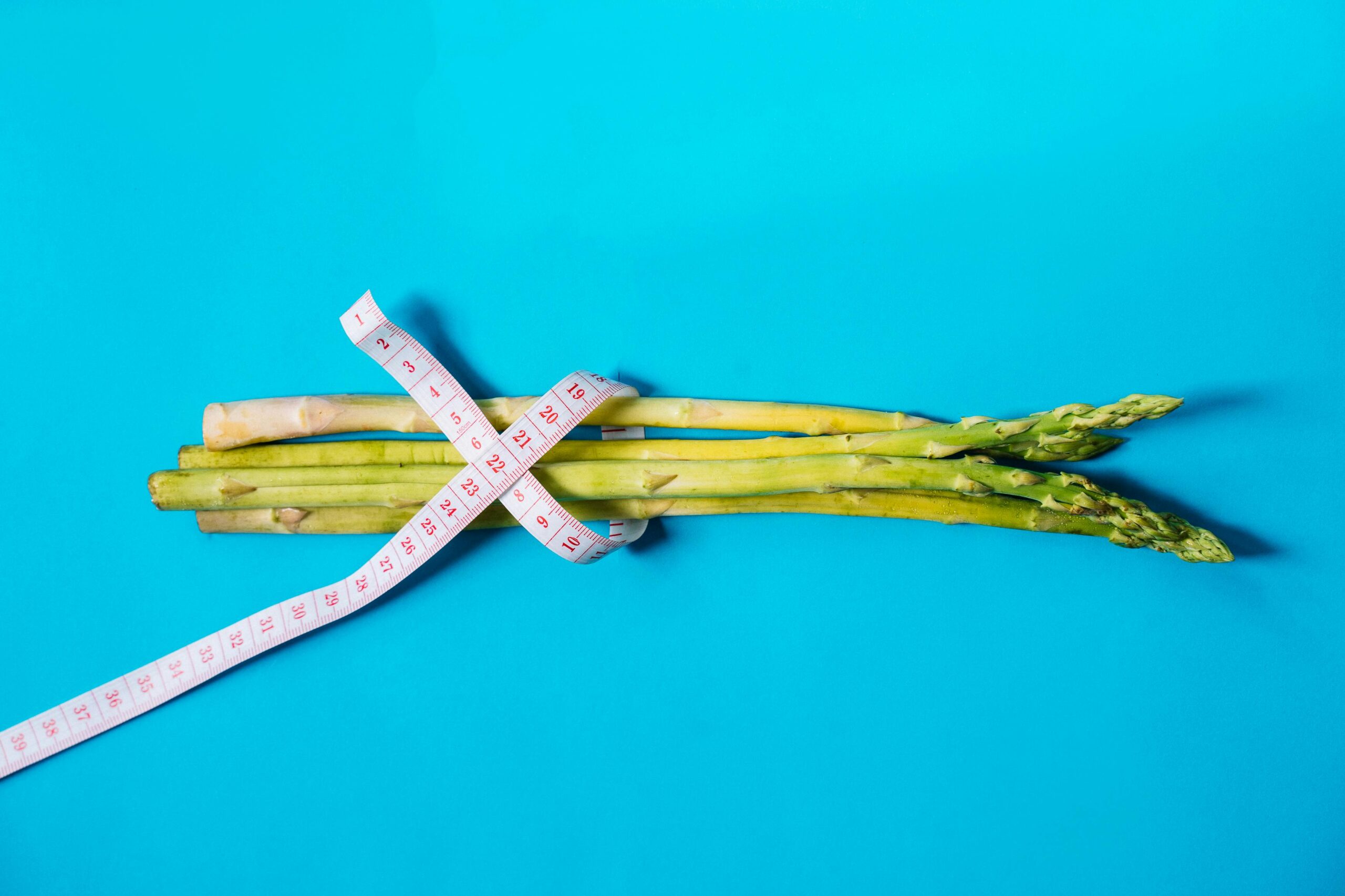
- Asparagus (27 calories per cup)
- Tomatoes (27 calories per cup raw)
- Carrots (25 calories per cup raw)
Preparation Methods
Steaming, grilling, and roasting vegetables without added oils preserve their nutrient profiles while maintaining low calorie counts. This approach differs significantly from preparation methods involving butter, oils, or cream-based sauces, which substantially increase caloric content.
Talk to a Doctor
Get Answers to Your Health Questions
Connect with health professionals — anytime, from anywhere.
Talk to a Doctor
Get Answers to Your Health Questions
Connect with health professionals — anytime, from anywhere.
Fruits: Sweet Options with Nutritional Benefits
While fruits contain natural sugars, many options remain among the lowest calorie foods when consumed whole and unprocessed.
Low Calorie Fruit Choices
Berries stand out as exceptional choices, with raspberries and strawberries containing approximately 50 calories per cup. Watermelon and cantaloupe provide satisfying sweetness with roughly 45-55 calories per cup due to their high water content.
- Peaches (60 calories per medium fruit)
- Oranges (62 calories per medium fruit)
- Grapefruit (52 calories per half)
- Apples (95 calories per medium fruit)
- Pineapple (82 calories per cup chunks)
Avoiding dried fruits and fruit juices helps maintain low calorie intake, as these forms concentrate sugars and remove water and fiber content.
Protein Sources: Essential for Satiety
Lean protein foods support muscle maintenance and promote satiety despite containing moderate calories.
Best Low Calorie Protein Options
Skinless chicken breast provides approximately 31 calories per ounce with 7 grams of protein per ounce. Turkey breast offers similar benefits with comparable nutritional profiles. Fish selections including tilapia, cod, and flounder contain around 25-30 calories per ounce.
Egg whites deliver approximately 17 calories each with 4 grams of protein, making them valuable for meal planning. Greek yogurt, when unsweetened, provides 10 calories per ounce with significant protein content.
Plant-based protein sources like tofu and tempeh offer alternatives, with tofu containing approximately 15 calories per ounce when prepared without added oils.
Whole Grains and Legumes: Fiber-Rich Options
While containing more calories than vegetables, whole grains and legumes provide essential nutrients and fiber that support digestive health.
Moderate Calorie Grain Choices
Brown rice contains approximately 110 calories per cooked cup, while quinoa provides similar amounts with additional amino acid diversity. Legumes including lentils and chickpeas deliver approximately 230-240 calories per cooked cup with substantial fiber and protein contributions.
Oats offer approximately 150 calories per half-cup dry, expanding to a more substantial portion when cooked, improving satiety while maintaining reasonable caloric intake.
Beverages and Hydration
Hydration significantly impacts weight management and overall health. Water remains the lowest calorie beverage option at zero calories, yet many people underestimate its importance.
Smart Beverage Selections
Unsweetened tea and coffee contribute minimal calories while providing beneficial compounds. Green tea, in particular, contains antioxidants that support overall wellness. Avoiding sugary beverages, including sodas and high-calorie coffee drinks, prevents unnecessary caloric accumulation throughout the day.
Building Balanced Meals with Low Calorie Foods
Creating sustainable eating patterns involves combining different food categories into balanced meals that provide adequate nutrition and satisfaction.
Meal Planning Strategy
A balanced approach includes filling half your plate with vegetables, one quarter with lean protein, and one quarter with whole grains or legumes. This proportion naturally creates meals within reasonable calorie ranges while ensuring nutritional completeness. Incorporating variety prevents boredom and ensures diverse nutrient intake. Different colored vegetables provide different beneficial compounds, so rotating selections throughout the week supports comprehensive nutrition.
Practical Considerations for Everyday Implementation
Understanding lowest calorie foods represents only part of sustainable weight management. Preparation methods, portion control, and consistency matter equally in achieving health goals.
Making Realistic Adjustments
Rather than eliminating favorite foods entirely, incorporating lowest calorie options as meal foundations allows for flexibility and sustainability. Gradually increasing vegetable portions while maintaining other food groups creates lasting dietary habits without feelings of deprivation.
Meal preparation practices including batch cooking vegetables and proteins on designated days simplifies implementation throughout busy weeks. Having prepared, nutritious options readily available reduces reliance on calorie-dense convenience foods during moments of time pressure.
Conclusion
The lowest calorie foods provide practical tools for supporting weight management while delivering the nutrients your body requires for optimal function. Vegetables, lean proteins, fruits, and whole grains form the foundation of approaches that promote sustained wellness rather than temporary restriction. Success depends not on perfectly eliminating higher calorie foods but on establishing patterns where lower calorie, nutrient-dense options form the majority of your dietary intake. This balanced perspective supports long-term health outcomes and sustainable lifestyle changes that extend beyond simple number counting.