
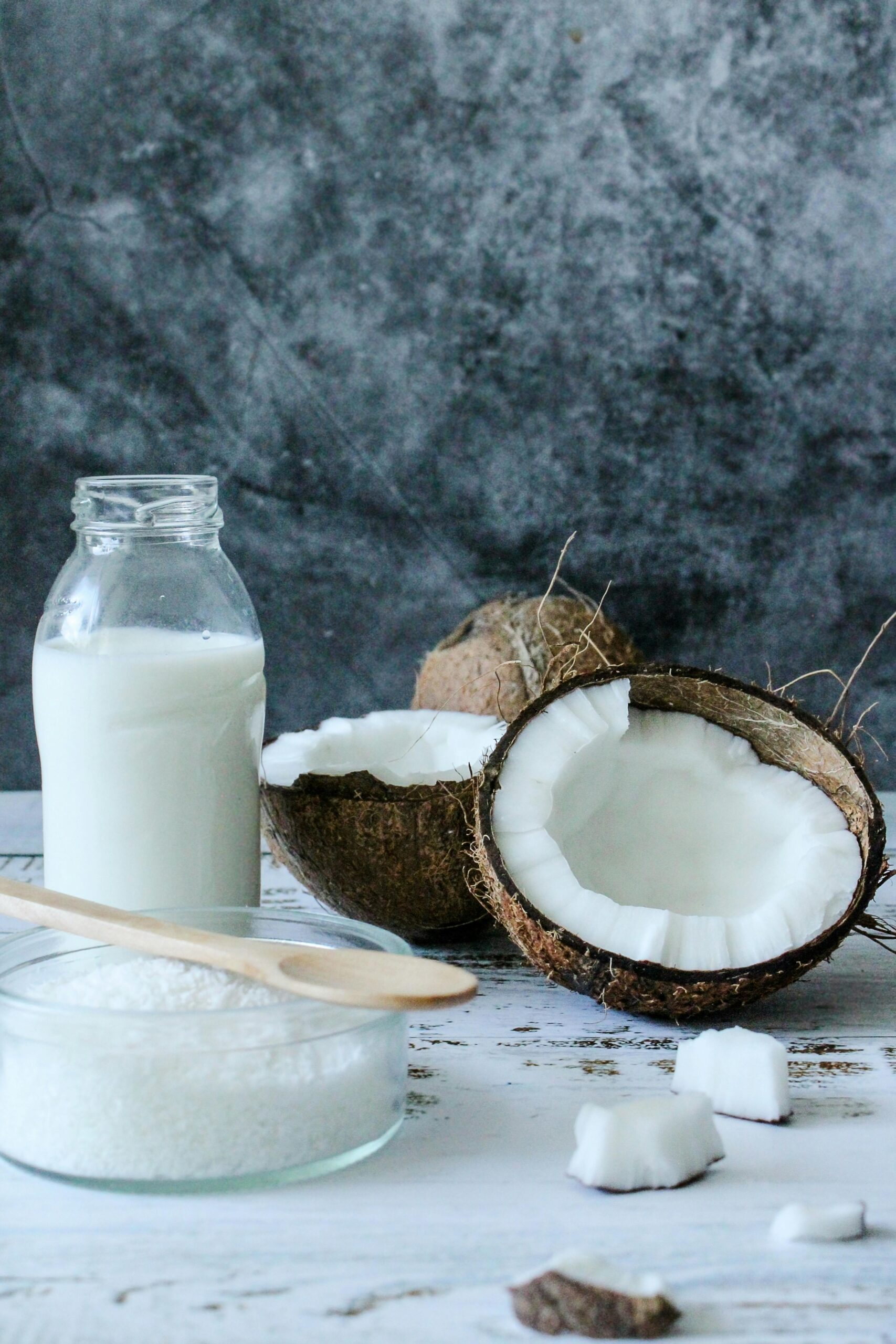
Coconut Milk Nutrition: Understanding Its Complete Profile and Health Applications
Coconut milk has gained substantial popularity in recent years as a plant-based beverage alternative and culinary ingredient. Unlike coconut water, which comes from the liquid inside young green coconuts, coconut milk is derived from grating the flesh of mature brown coconuts and pressing it with water. This creamy white liquid contains a distinctive nutritional profile that differs significantly from dairy milk and other plant-based alternatives. Understanding what coconut milk offers nutritionally allows consumers to make informed choices about including it in their daily diets.
Nutritional Composition of Coconut Milk
Macronutrient Profile
A standard serving of coconut milk, typically one cup (approximately 240 milliliters), contains roughly 550 calories. The majority of these calories come from fat, with approximately 57 grams of total fat per serving. This fat content distinguishes coconut milk from many other plant-based milk alternatives. The fat in coconut milk consists predominantly of saturated fat, containing about 51 grams per cup, alongside smaller amounts of monounsaturated and polyunsaturated fats. Coconut milk contains minimal protein, providing only about 5 grams per cup, making it less suitable as a primary protein source compared to dairy milk or soy milk, which offer 8 grams and 7 grams respectively. Carbohydrate content in unsweetened coconut milk is relatively low, at approximately 9 grams per serving, though many commercial products contain added sugars that increase this amount.
Micronutrient Content
Beyond macronutrients, coconut milk provides several essential minerals and vitamins. A single cup delivers approximately 240 milligrams of sodium, 631 milligrams of potassium, and 95 milligrams of magnesium. These minerals play crucial roles in maintaining proper hydration, supporting muscle function, and regulating blood pressure. Coconut milk also contains iron, contributing about 3.3 milligrams per cup, which supports oxygen transport throughout the body. The beverage includes small amounts of B vitamins, particularly B12 in fortified commercial versions, along with trace amounts of calcium and phosphorus. Many manufacturers add additional vitamins and minerals to their coconut milk products to enhance nutritional value and provide consumers with greater micronutrient diversity.
Health Considerations and Potential Benefits
Saturated Fat and Cardiovascular Health
The high saturated fat content in coconut milk warrants careful consideration, particularly for individuals monitoring their cardiovascular health. Saturated fat from coconut milk primarily consists of lauric acid, a medium-chain saturated fat that metabolizes differently than longer-chain saturated fats. Research indicates that lauric acid may have a neutral or potentially beneficial effect on cholesterol levels compared to other saturated fats, though consumption should remain moderate within a balanced diet. Current dietary guidelines suggest limiting saturated fat intake to approximately 5 to 6 percent of daily calories. For individuals consuming a 2,000-calorie diet, this translates to roughly 11 to 13 grams of saturated fat daily. A full cup of coconut milk would exceed this recommendation, making portion control essential.
Dietary Fiber and Digestive Health
Full-fat coconut milk contains about 5 grams of dietary fiber per cup, contributing to digestive health and promoting feelings of satiety. Fiber plays a crucial role in supporting healthy gut bacteria, regulating blood sugar levels, and maintaining regular bowel function. Light or reduced-fat versions typically contain less fiber, so checking product labels helps ensure adequate intake.
Medium-Chain Triglycerides
Coconut milk contains medium-chain triglycerides (MCTs), a type of fat that the body processes more readily than longer-chain fats. Some research suggests MCTs may support metabolic function and provide quick energy, though evidence remains preliminary and should not inform significant dietary changes without professional guidance.
Talk to a Doctor
Get Answers to Your Health Questions
Connect with health professionals — anytime, from anywhere.
Talk to a Doctor
Get Answers to Your Health Questions
Connect with health professionals — anytime, from anywhere.
Practical Applications in Diet
Beverage Use and Alternatives
Coconut milk can serve as a dairy milk substitute in coffee, tea, and smoothies. However, its creamy texture differs notably from dairy milk, and some find the coconut flavor overpowering. Light versions contain fewer calories and less fat while maintaining similar protein content. For individuals seeking higher protein intake, adding nuts, seeds, or protein powders to coconut milk beverages creates more nutritionally complete drinks.
Culinary Applications
In cooking, coconut milk provides richness to curries, soups, and desserts without requiring dairy products. Using it as an ingredient in smaller quantities than whole-cup servings allows individuals to enjoy its flavor and texture while managing overall fat and calorie intake. Pairing coconut milk with vegetables, legumes, and whole grains creates balanced meals that provide diverse nutrients.
Fortified vs. Unfortified Products
Commercial coconut milk products vary significantly in nutritional value. Fortified versions contain added calcium, vitamin D, and vitamin B12, making them more comparable to traditional dairy milk nutritionally. Reading labels carefully enables consumers to select products that align with their dietary needs and preferences.
Dietary Integration Recommendations
Portion Control Strategies
Rather than consuming large volumes of coconut milk, using it as one component of a varied diet maximizes nutritional benefits while minimizing excessive calorie and saturated fat intake. A practical approach involves using coconut milk in specific dishes while relying on other plant-based beverages for daily milk consumption.
Complementary Foods
Pairing coconut milk with foods rich in fiber, protein, and other nutrients creates more balanced meals. For example, coconut milk-based curries combined with lentils, chickpeas, or tofu provide complete proteins alongside the beverage's unique nutritional contributions.
Individual Health Considerations
People with specific health conditions should consider their individual circumstances when incorporating coconut milk into their diets. Those managing cholesterol levels, weight, or certain digestive conditions may benefit from consulting with a healthcare provider about appropriate consumption amounts.
Conclusion
Coconut milk offers a distinctive nutritional profile that makes it a valuable ingredient in many cuisines and dietary patterns. Its high fat content, primarily from saturated fatty acids, requires mindful consumption as part of a balanced diet rather than as a primary beverage source. Understanding its complete nutritional composition, including both macronutrients and micronutrients, enables informed decisions about when and how to incorporate coconut milk into meals and beverages. Whether used in cooking, beverages, or baking, coconut milk can contribute positively to overall nutrition when consumed in appropriate quantities alongside other wholesome foods.
Reference
Kemmler W, Stengel S. (2011). The Intensity and Effects of Strength Training in the Elderly. Deutsches Ärzteblatt International, 108(21), 359-364. https://pmc.ncbi.nlm.nih.gov/articles/PMC3117172/
Additional Resource: International Council on Active Aging. (n.d.). Physical Activity and Nutrition for Healthy Aging. Retrieved from https://www.icaa.cc/