
Pinto Beans Nutrition Facts: Complete Guide to Benefits and Uses
Understanding Pinto Beans as a Nutritional Foundation
Pinto beans represent one of nature's most accessible and nutrient-dense food sources. These legumes have been cultivated for centuries and continue to play a significant role in diets worldwide. Understanding their nutritional composition helps individuals make informed dietary choices that align with their wellness objectives.
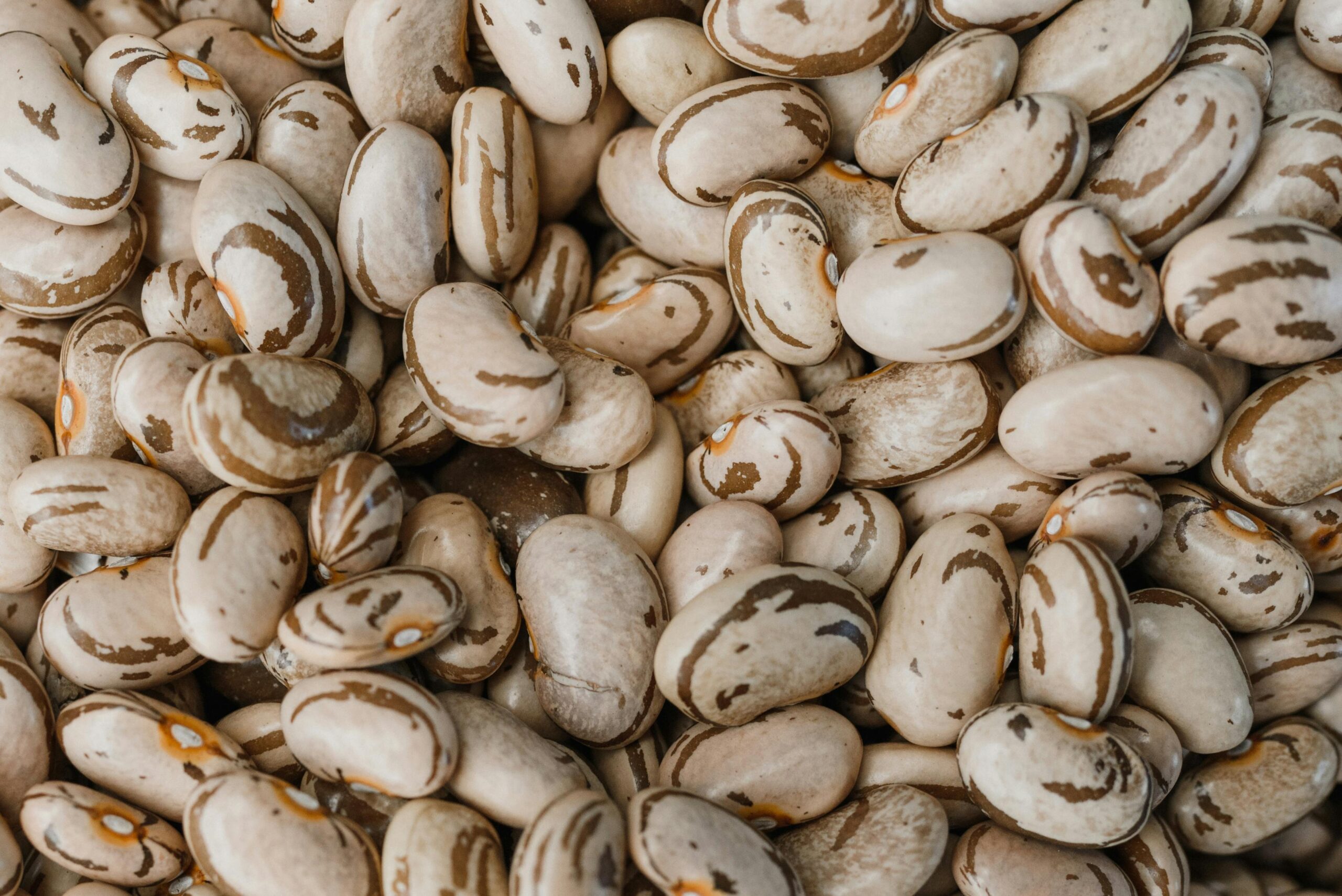
The term "pinto" derives from the Spanish word meaning "painted," referring to the distinctive speckled appearance of these beans. Beyond their visual appeal, pinto beans offer substantial nutritional value that makes them worthy of regular inclusion in meal planning.
Complete Nutritional Profile of Pinto Beans
Macronutrient Composition
One cup of cooked pinto beans, weighing approximately 172 grams, contains:
- Calories: 245
- Protein: 15.4 grams
- Carbohydrates: 44.8 grams
- Dietary fiber: 11.6 grams
- Fat: 0.9 grams
- Water content: approximately 67%
This macronutrient distribution makes pinto beans particularly valuable for individuals seeking plant-based protein sources. The protein content rivals that of many animal-derived foods, making these legumes essential for vegetarian and vegan dietary approaches.
Micronutrient Content
Pinto beans contain an impressive array of essential vitamins and minerals:
- Folate (vitamin B9): 294 micrograms per cooked cup
- Iron: 3.6 milligrams
- Magnesium: 86 milligrams
- Potassium: 646 milligrams
- Phosphorus: 251 milligrams
- Zinc: 1.9 milligrams
- Manganese: 0.8 milligrams
- Copper: 0.4 milligrams
The B-vitamin content, particularly folate, supports cellular function and energy metabolism. Iron availability in plant-based sources increases when consumed alongside vitamin C-rich foods, enhancing bioavailability.
Talk to a Doctor
Get Answers to Your Health Questions
Connect with health professionals — anytime, from anywhere.
Talk to a Doctor
Get Answers to Your Health Questions
Connect with health professionals — anytime, from anywhere.
Key Health Benefits of Pinto Bean Consumption
Cardiovascular Support Through Dietary Choices
The fiber content in pinto beans plays a recognized role in cardiovascular wellness. Soluble fiber binds with cholesterol particles in the digestive tract, potentially supporting healthy cholesterol levels already within normal ranges. The potassium content contributes to normal blood pressure regulation when incorporated into a balanced diet.
Plant-based proteins from legumes provide amino acid profiles different from animal proteins, offering dietary variety that contributes to overall nutritional balance.
Blood Sugar Management and Glycemic Response
Pinto beans have a low to medium glycemic index, meaning they release glucose gradually into the bloodstream. This characteristic stems from their fiber and resistant starch content. The combination of protein and fiber creates satiety, helping individuals feel fuller for extended periods.
The resistant starch found in cooked and cooled pinto beans acts similarly to dietary fiber in the digestive system, supporting metabolic processes and sustained energy levels.
Digestive Health and Gut Function
The substantial fiber content in pinto beans, approximately 11.6 grams per cooked cup, supports digestive regularity. Dietary fiber promotes beneficial bacteria growth in the colon, contributing to a healthy microbiome composition.
Individuals new to consuming high-fiber legumes should increase intake gradually to allow digestive systems to adapt. Proper cooking and preparation techniques can reduce compounds that may cause digestive discomfort.
Nutrient Density and Overall Wellness
The folate content makes pinto beans particularly valuable for individuals of childbearing age, as this B-vitamin supports normal cellular division. The manganese content supports bone health and metabolic function throughout the lifespan.
Iron availability from plant sources improves significantly when combined with vitamin C. Pairing pinto beans with tomatoes, citrus fruits, or bell peppers enhances iron absorption.
Practical Applications and Uses in Daily Nutrition
Versatile Culinary Applications
- Traditional bean preparations in soups and stews
- Refried beans as a side dish or sandwich component
- Bean dips and spreads for snacking
- Salad additions providing protein and texture
- Grain bowl bases combining plant-based nutrition
- Blended preparations for creamier textures
Meal Planning Considerations
Incorporating pinto beans into regular meal planning offers budget-friendly nutrition. Dried beans cost significantly less than equivalent amounts of animal protein while providing comparable nutritional value. Batch cooking and freezing prepared beans simplifies weekly meal preparation.
Combining pinto beans with whole grains creates complete protein profiles containing all essential amino acids. Rice and bean combinations, for example, provide nutritionally complementary macronutrient ratios.
Preparation Methods for Optimal Nutrition
Proper preparation enhances nutrient bioavailability:
- Soaking dried beans reduces cooking time and certain compounds
- Rinsing canned beans removes excess sodium
- Cooking in fresh water rather than soaking liquid reduces oligosaccharides
- Adding acidic ingredients like vinegar during cooking may enhance mineral absorption
Considerations for Different Dietary Approaches
Plant-Based and Vegetarian Nutrition
Pinto beans serve as foundational protein sources for vegetarian and vegan diets. Their amino acid profile, while not complete independently, combines effectively with grains to provide all necessary amino acids.
Legume consumption features prominently in some of the world's healthiest dietary patterns, including Mediterranean and plant-forward approaches.
Allergen Information and Food Sensitivities
While legume allergies remain relatively uncommon compared to other food allergies, some individuals may experience sensitivities. Those with histamine sensitivities should monitor their response, as stored legumes can develop higher histamine levels.
Individuals taking certain medications should consult healthcare providers regarding legume consumption, particularly regarding potential interactions with specific drug classes.
Storage and Shelf Life
Properly stored dried pinto beans maintain nutritional quality for extended periods. Keep dried beans in airtight containers in cool, dry locations away from direct sunlight.
Cooked beans stored in refrigerators remain safe for three to four days, while frozen preparations last several months. Canned pinto beans offer convenience for quick meal preparation, though checking sodium content assists with dietary sodium management.
Conclusion
Pinto beans represent an accessible, affordable, and nutritionally comprehensive food choice suitable for various dietary approaches. Their protein, fiber, and micronutrient content support multiple aspects of health and wellness. Whether incorporated into traditional preparations or modern culinary applications, these legumes contribute meaningfully to balanced nutrition. Regular consumption as part of a varied diet offers sustained nutritional benefits without requiring specialized preparation or rare ingredients.