
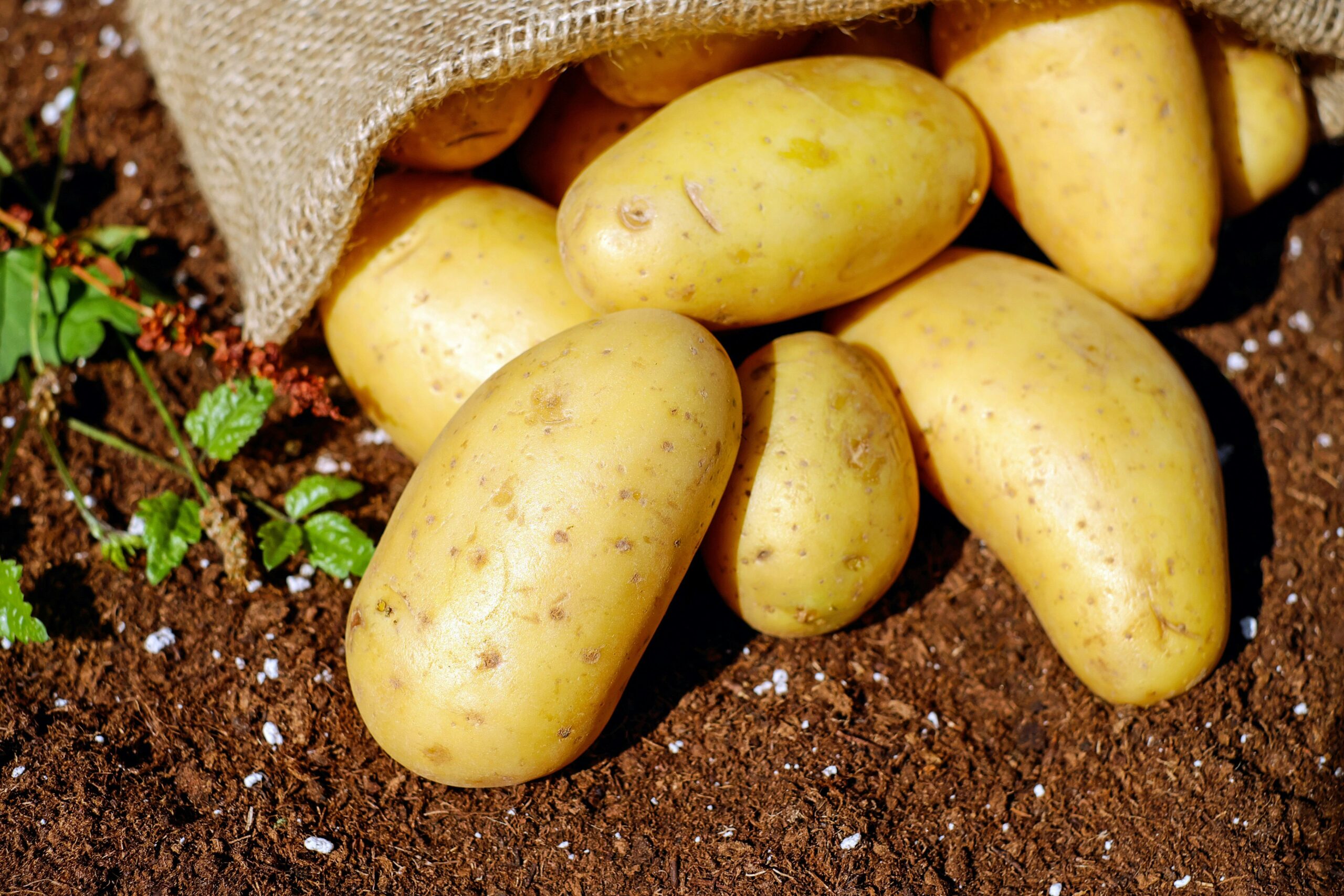
The Beginner’s Guide to Carbs in Potatoes: Nutrition Facts and Health Benefits
Understanding Potato Carbohydrates
Potatoes have long been a staple food across cultures, yet many people remain uncertain about their carbohydrate content and nutritional value. A medium-sized potato with skin contains approximately 17 grams of carbohydrates, making them a significant source of this macronutrient. However, understanding the type and quality of these carbohydrates is essential for informed dietary choices. The carbohydrates in potatoes are primarily composed of starch, which serves as a major energy source for the body. Unlike simple sugars that cause rapid blood glucose spikes, potato starch is a complex carbohydrate that provides sustained energy. This distinction matters significantly when evaluating potatoes for a healthy diet.
Types of Carbohydrates in Potatoes
Starch Content and Digestibility
Potatoes contain both digestible and resistant starch. Digestible starch breaks down into glucose during digestion, providing immediate energy. Resistant starch, conversely, acts similarly to dietary fiber by passing through the digestive system relatively unchanged. This creates a prebiotic effect that supports healthy gut bacteria. Cooking methods influence starch composition. When potatoes are boiled and cooled, resistant starch content increases significantly. This process transforms some digestible starch into resistant starch, potentially offering metabolic benefits. Research indicates that cooling cooked potatoes for several hours enhances this transformation.
Glycemic Index Considerations
The glycemic index (GI) measures how quickly foods raise blood glucose levels. Potato GI varies considerably based on preparation method and variety:
- Boiled potatoes have a moderate GI ranking
- Baked potatoes demonstrate higher GI values
- Cooled, reheated potatoes show lower GI readings
- Fried potatoes rank highest in GI impact
White potatoes typically have higher GI values than waxy varieties or colored potatoes. Adding protein or healthy fats during meal preparation can further reduce the glucose response.
Talk to a Doctor
Get Answers to Your Health Questions
Connect with health professionals — anytime, from anywhere.
Talk to a Doctor
Get Answers to Your Health Questions
Connect with health professionals — anytime, from anywhere.
Nutritional Profile Beyond Carbohydrates
Vitamins and Minerals
Potatoes offer substantial micronutrient content alongside carbohydrates. One medium potato with skin provides:
- Vitamin B6 for brain development and function
- Vitamin C for immune system support
- Manganese for bone health and metabolism
- Potassium for heart health and blood pressure regulation
- Phosphorus for energy production
The skin contains concentrated amounts of these nutrients, making unpeeled potatoes nutritionally superior to peeled varieties.
Fiber Content
Potato fiber, particularly in the skin, supports digestive health. A medium potato with skin contains approximately 2 grams of dietary fiber. This contributes to daily fiber intake recommendations and promotes satiety, potentially aiding weight management goals.
Preparing Potatoes for Optimal Nutrition
Cooking Methods That Preserve Nutrients
Different preparation techniques affect nutrient retention and starch composition:
- Boiling preserves most water-soluble vitamins when cooking time is minimized. Boiling with skin intact further reduces nutrient loss through leaching.
- Baking maintains nutrient density while creating crispy skin rich in fiber and minerals. This method requires no added fats, making it a cleaner preparation option.
- Steaming stands among the gentlest cooking methods, preserving heat-sensitive vitamins while maintaining structural integrity.
- Microwaving offers rapid cooking with minimal nutrient degradation, though texture differs from traditional methods.
- Deep-frying significantly increases caloric content through oil absorption while reducing overall nutritional value relative to caloric load.
Adding Complementary Foods
Pairing potatoes with nutrient-dense foods enhances overall meal quality:
- Lean proteins improve satiety and provide amino acids
- Healthy fats from olive oil or avocado slow carbohydrate absorption
- Vegetables add fiber, vitamins, and minerals
- Herbs and spices provide phytonutrients without sodium excess
Potatoes in a Balanced Diet
Portion Considerations
Appropriate serving sizes depend on individual dietary needs and activity levels. A typical serving of cooked potatoes measures approximately 150 grams, equaling roughly one medium potato. This portion provides manageable carbohydrate quantity suitable for most dietary patterns.
Variety Selection
Different potato types offer varying nutritional profiles:
- Russet potatoes deliver earthy flavors and high starch content, suitable for baking or mashing.
- Red potatoes contain lower starch levels and higher moisture, ideal for boiling or potato salads.
- Yellow potatoes offer buttery texture with balanced starch and moisture content.
- Purple and blue potatoes contain anthocyanins, powerful antioxidants absent in lighter varieties.
Incorporating diverse potato varieties ensures broader nutrient intake across meals.
Addressing Common Misconceptions
Many people avoid potatoes due to perceived negative health impacts. Evidence-based nutrition science suggests this caution often lacks foundation when preparation methods emphasize whole food preparation without excess added fats or sodium.
Potatoes themselves contain negligible sodium. The problem emerges through processing into chips, fries, and seasoned preparations. Fresh potatoes prepared at home remain accessible, affordable, and nutritious carbohydrate sources.
Weight management concerns similarly reflect preparation methods rather than potatoes inherently. Boiled or baked potatoes rank exceptionally high on satiety indices, meaning they promote fullness relative to caloric content. This property supports healthy weight maintenance when portion sizes remain appropriate.
Practical Integration Strategies
Meal Planning Tips
- Include one potato-based meal three to four times weekly
- Vary preparation methods to maintain interest and nutrient diversity
- Combine with leafy greens, legumes, or lean proteins
- Keep skins intact whenever possible
- Prepare potato salads using cooled potatoes for resistant starch benefits
Storage and Food Safety
Proper storage maintains nutritional quality and prevents spoilage. Store potatoes in cool, dark environments away from light exposure, which creates solanine (a naturally occurring compound that can cause digestive upset in large quantities). Ideal storage temperatures range from 45 to 50 degrees Fahrenheit with adequate ventilation.
Conclusion
Potatoes represent a misunderstood but valuable dietary component. Their carbohydrate content provides sustained energy through complex starch structures, while micronutrient density offers vitamins, minerals, and fiber essential for health. Preparation methods significantly influence nutritional outcomes and metabolic responses. By understanding potato carbohydrate composition and employing evidence-based cooking techniques, individuals can confidently incorporate potatoes into balanced eating patterns. The key lies not in avoiding potatoes but in choosing varieties wisely and preparing them thoughtfully to maximize nutritional benefit while supporting personal health objectives.