
Plant Based Protein: A Complete Nutrition Guide
Plant based protein has become increasingly important in nutritional science and dietary practice. Whether you follow a vegetarian, vegan, or omnivorous diet, understanding plant protein sources helps optimize nutritional intake and support overall health objectives. This guide explores plant based protein comprehensively, examining sources, nutritional value, and practical strategies for meeting protein requirements.
Understanding Plant Based Protein Fundamentals
What Makes Plant Proteins Different
Plant based proteins differ from animal proteins in several key ways. They typically contain lower amounts of certain amino acids, have different absorption rates, and provide additional nutrients like fiber and phytonutrients. Understanding these differences allows for informed dietary choices that support health goals effectively.
Protein comprises amino acids, organic compounds that perform essential functions throughout the body. Your body requires 20 amino acids, of which 9 are essential, meaning you must obtain them through food sources. Animal proteins contain all 9 essential amino acids in adequate proportions, while most individual plant sources lack one or more essential amino acids.
The Complete Protein Concept
A complete protein contains all 9 essential amino acids in sufficient quantities. Many plant sources provide incomplete proteins, but combining different plants throughout the day creates nutritionally complete protein profiles. This combination strategy, known as protein complementarity, allows plant based eaters to meet all amino acid requirements.
- Legumes with grains
- Nuts with seeds
- Beans with whole grains
- For example, chickpeas with brown rice or lentils with quinoa create complete protein profiles supporting muscle maintenance and metabolic function.
Primary Plant Based Protein Sources
Legumes and Pulses
Legumes represent foundational plant based protein sources. Lentils provide approximately 9 grams of protein per cooked cup, alongside significant fiber content supporting digestive health. Chickpeas offer similar protein amounts with versatile culinary applications. Black beans, kidney beans, and split peas deliver comparable nutritional profiles.
Beyond protein, legumes contain polyphenols and resistant starches that support gut health and metabolic function. Their low glycemic index helps maintain stable blood sugar levels, making them valuable for long-term health maintenance.
Whole Grains and Seeds
Quinoa stands uniquely among grains as a complete protein source, containing all 9 essential amino acids. One cooked cup provides approximately 8 grams of protein. Amaranth and buckwheat offer similar advantages, though in smaller quantities.
Seeds provide concentrated protein in convenient forms. Hemp seeds contain approximately 10 grams of protein per 3 tablespoon serving, alongside omega-3 fatty acids supporting cardiovascular health. Pumpkin seeds, sunflower seeds, and sesame seeds provide 5-8 grams of protein per ounce with additional minerals like magnesium and zinc.
Nuts and Nut Butters
Almonds deliver approximately 6 grams of protein per ounce, making them convenient snack options. Peanuts, though technically legumes, provide similar protein amounts. Nut butters offer concentrated nutrition, with 2 tablespoons providing 7-8 grams of protein alongside healthy fats supporting nutrient absorption.
Soy Products
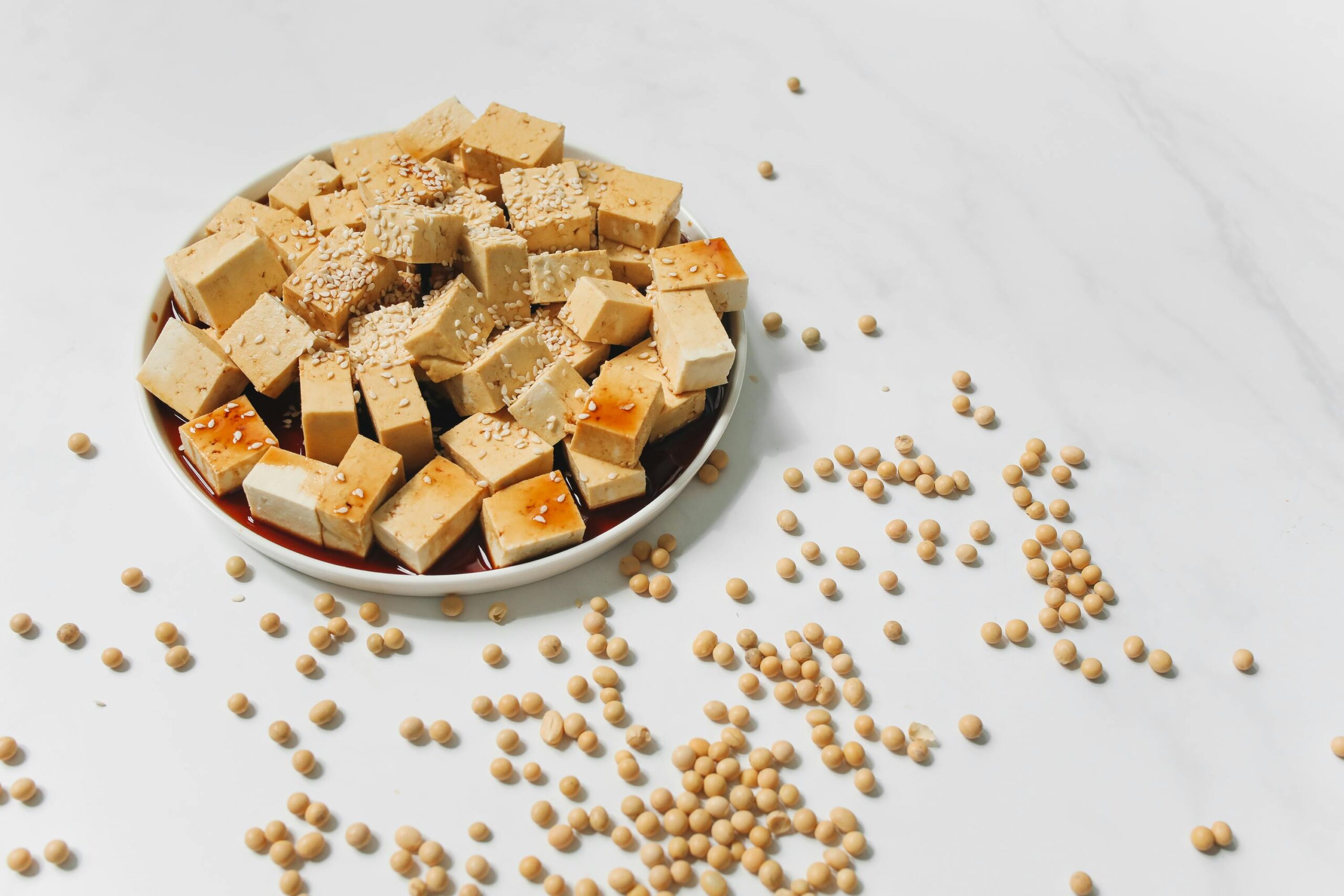
Soy represents a rare complete plant protein, containing all 9 essential amino acids. Tofu provides approximately 10 grams of protein per 3-ounce serving with neutral flavor allowing culinary versatility. Tempeh offers fermented soy benefits, providing approximately 15 grams of protein per 3-ounce serving with enhanced digestibility.
Edamame, immature soybeans, deliver approximately 11 grams of protein per cooked cup. Soy products also contain isoflavones, plant compounds with potential health-supporting properties.
Talk to a Doctor
Get Answers to Your Health Questions
Connect with health professionals — anytime, from anywhere.
Talk to a Doctor
Get Answers to Your Health Questions
Connect with health professionals — anytime, from anywhere.
Nutritional Considerations
Amino Acid Profiles and Complementation
Strategic food combining ensures adequate essential amino acid intake. Consuming legumes with grains throughout the day provides complete protein profiles without requiring simultaneous consumption. A breakfast of oatmeal with nuts, a lunch featuring beans and rice, and an afternoon snack of chickpea hummus creates comprehensive amino acid coverage.
Bioavailability and Absorption
Plant proteins have lower bioavailability than animal sources due to antinutrient compounds like phytates and tannins. Preparation methods significantly impact absorption. Soaking legumes before cooking, sprouting seeds, and fermenting products like tempeh increase nutrient bioavailability. Cooking itself reduces antinutrient levels, improving overall protein utilization.
Pairing plant proteins with vitamin C sources enhances iron absorption, an important consideration since plant based iron (nonheme iron) has lower absorption rates. Combining lentil soup with tomatoes or bean dishes with bell peppers optimizes mineral utilization.
Micronutrient Density
Beyond protein and amino acids, plant based sources provide essential vitamins and minerals. Legumes deliver folate, iron, and manganese. Seeds supply magnesium and copper. Nuts provide vitamin E and selenium. This nutritional density supports multiple physiological functions beyond protein provision.
Meeting Daily Protein Requirements
Calculating Individual Needs
Protein requirements vary based on age, sex, activity level, and health status. General recommendations suggest 0.8 grams per kilogram of body weight for sedentary adults. Active individuals or those engaged in strength training may require 1.2 to 2.0 grams per kilogram.
Practical Implementation Strategies
Meeting plant based protein requirements involves consistent attention to diverse sources throughout the day.
- Breakfast: oatmeal with almonds and berries (8 grams protein)
- Lunch: lentil and vegetable soup (12 grams protein)
- Snack: hummus with vegetables (6 grams protein)
- Dinner: tofu stir-fry with brown rice (15 grams protein)
- Evening snack: nut butter with whole grain crackers (7 grams protein)
This approach provides approximately 48 grams daily protein through diverse plant sources.
Timing and Distribution
Distributing protein throughout daily meals and snacks optimizes muscle protein synthesis and supports satiety. Rather than consuming excessive protein at one meal, consistent intake across eating occasions provides superior physiological benefits.
Potential Challenges and Solutions
Iron and Zinc Absorption
Plant sources provide less bioavailable iron and zinc than animal products. Addressing this involves pairing plant proteins with vitamin C sources, using cooking methods that reduce antinutrients, and consuming diverse plant proteins supporting complementary micronutrient profiles. Some individuals benefit from increased consumption quantities to compensate for lower bioavailability.
Vitamin B12 Considerations
Vitamin B12, found primarily in animal products, requires attention for plant based eaters. Fortified plant milks, nutritional yeast, and supplements ensure adequate B12 status supporting neurological function and red blood cell formation.
Practical Tips for Success
Building Balanced Meals
Combine protein sources intentionally. Include legumes or tofu with whole grains, add nuts or seeds to salads and grain bowls, and use nut butters in cooking. This approach builds nutritionally complete meals supporting sustained energy and satiety.
Convenient Options
Canned beans, pre-cooked grains, and frozen vegetables streamline meal preparation. Batch cooking legumes and grains allows quick meal assembly. Keeping nuts, seeds, and nut butters available provides convenient protein additions to any meal.
Conclusion
Plant based protein provides comprehensive nutritional support when sources are selected thoughtfully and combined strategically. Understanding complete proteins, bioavailability factors, and complementary combinations enables individuals to meet all protein requirements through plant foods. Whether adopting a fully plant based approach or incorporating more plant proteins into existing diets, these strategies support optimal nutrition and long-term health outcomes.