
The Beginner’s Guide to Tofu Nutrition: Benefits, Preparation, and Daily Intake
Understanding Tofu: What It Is and Why It Matters
The Basics of Tofu Production
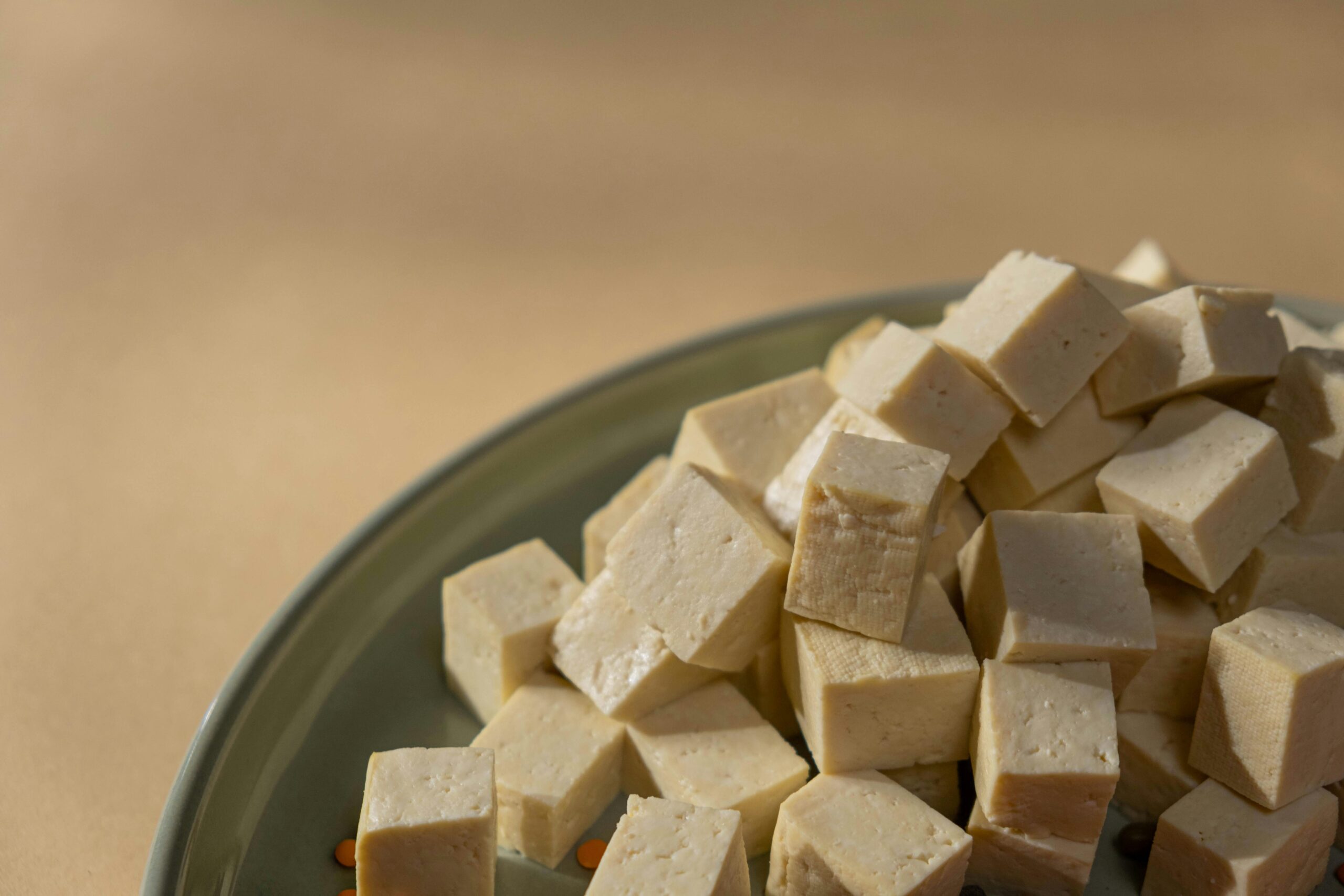
Tofu is a plant-based food derived from soybeans. The production process involves soaking and grinding soybeans, then coagulating the resulting soy milk similar to cheese-making. This traditional process has been used for centuries in Asian cuisines and is now recognized worldwide as a valuable nutritional resource.
The versatility of tofu stems from its neutral flavor profile and ability to absorb seasonings and marinades. Unlike many animal-based proteins, tofu adapts to both sweet and savory dishes, making it a practical choice for various meal preparations.
Nutritional Composition of Tofu
Protein Content and Quality
One of tofu's primary nutritional benefits is its protein content. A 100-gram serving of firm tofu contains approximately 15-19 grams of protein, depending on the type and processing method. This makes tofu comparable to many animal protein sources in terms of quantity. More importantly, tofu provides all nine essential amino acids, making it a complete protein source. This characteristic is particularly valuable for individuals following vegetarian or vegan diets, as obtaining complete proteins from plant sources can be challenging.
Vitamins and Minerals
Beyond protein, tofu contains several important micronutrients. A typical serving provides notable amounts of iron, calcium, magnesium, and phosphorus. Many commercial tofu products are fortified with calcium, contributing significantly to daily calcium intake, which is essential for bone health and metabolic function. Tofu also contains B vitamins, particularly thiamine and riboflavin, which support energy metabolism and nervous system function. The mineral composition makes tofu particularly beneficial for individuals at risk of mineral deficiencies.
Lipid Profile and Calories
Tofu is relatively low in calories, with approximately 76 calories per 100-gram serving of firm tofu. The fat content consists primarily of unsaturated fats, including omega-3 and omega-6 polyunsaturated fatty acids. These types of fats support cardiovascular health and overall metabolic function.
Talk to a Doctor
Get Answers to Your Health Questions
Connect with health professionals — anytime, from anywhere.
Talk to a Doctor
Get Answers to Your Health Questions
Connect with health professionals — anytime, from anywhere.
Types of Tofu and Their Nutritional Differences
Silken Tofu
Silken tofu has a smooth, custard-like texture with higher water content. It contains slightly fewer calories and protein compared to firmer varieties but offers a different culinary experience. This type works well in smoothies, desserts, and creamy dressings.
Firm and Extra-Firm Tofu
Firm tofu contains more protein and fewer calories than silken varieties due to its lower water content. Extra-firm tofu has the highest protein concentration and works best for grilling, stir-frying, and baking. These varieties maintain their structure during cooking, making them ideal for beginners learning tofu preparation techniques.
Pressed and Flavored Tofu
Pressed tofu has additional water removed, concentrating its nutritional density and allowing better absorption of marinades. Flavored varieties contain added seasonings and may include higher sodium content, so reading labels remains important for nutritional awareness.
Health Benefits Beyond Basic Nutrition
Plant-Based Protein for Muscle Maintenance
Regular physical activity combined with adequate protein intake supports muscle health and recovery. Tofu's complete amino acid profile makes it suitable for individuals engaging in strength training or resistance exercises. Research demonstrates that plant-based protein sources can effectively support muscle maintenance when consumed in appropriate quantities throughout the day.
Cardiovascular Health Support
The unsaturated fat content in tofu, combined with its lack of cholesterol, makes it a heart-healthy protein option. Regular consumption of plant-based proteins has been associated with favorable lipid profiles and blood pressure management. The presence of isoflavones, naturally occurring compounds in soy, may offer additional cardiovascular benefits.
Bone Health Considerations
The calcium content in fortified tofu, particularly when combined with adequate vitamin D intake and weight-bearing exercise, supports bone density maintenance. This becomes increasingly relevant for individuals concerned about long-term skeletal health.
Daily Tofu Intake Recommendations
Appropriate Serving Sizes for Beginners
For individuals new to tofu consumption, starting with moderate portions is advisable. A typical serving size is 150-200 grams of firm tofu, providing approximately 20-30 grams of protein. This quantity can be incorporated into meals once or twice daily without concern for most individuals.
Maximum Daily Intake Guidelines
While tofu is nutritious, consuming excessive quantities may cause digestive discomfort in some individuals due to its soy content. Most nutrition professionals suggest limiting tofu intake to 2-3 servings daily as part of a varied diet. This approach ensures nutritional diversity and allows for other protein and vegetable sources.
Individual Variation Factors
Personal tolerance, existing health conditions, and overall dietary goals influence appropriate tofu consumption. Individuals with soy sensitivities should avoid tofu entirely, while those without sensitivities typically tolerate moderate daily intake well.
Preparation Methods for Maximum Nutrition Retention
Cooking Techniques
Stir-frying tofu at moderate temperatures preserves nutritional content while developing flavors. Baking and grilling are equally effective methods that require minimal added fats. Boiling should be avoided, as this method can leach water-soluble nutrients into cooking water.
Flavor Enhancement Strategies
Marinating tofu in herb-based sauces, citrus juices, and spice blends adds flavor without excessive sodium or calories. Combining tofu with nutrient-dense vegetables, whole grains, and legumes creates balanced meals that maximize nutritional benefits.
Storage and Food Safety
Keeping tofu properly refrigerated and using it within the indicated timeframe ensures safety and nutritional quality. Unopened packages remain stable longer, while opened tofu should be stored in water that is changed daily.
Common Beginner Misconceptions
Many beginners assume tofu lacks flavor, when in fact its neutral taste provides a canvas for culinary creativity. Others worry about consuming "unnatural" foods, despite tofu's centuries-long culinary history in traditional cuisines. Understanding tofu as a legitimate nutritional resource rather than a meat replacement helps beginners approach it with appropriate expectations.
Conclusion
Tofu represents an accessible, affordable, and nutritionally complete protein source suitable for diverse dietary approaches. Its balanced amino acid profile, micronutrient content, and versatility make it particularly valuable for individuals exploring plant-based nutrition. By understanding tofu's nutritional composition, selecting appropriate types, and implementing proper preparation methods, beginners can confidently incorporate this food into their regular diet. Starting with moderate portions and varying preparation methods allows for gradual familiarity while maximizing both nutritional intake and culinary enjoyment. As with any dietary change, individual tolerance and personal preferences should guide consumption patterns.
Reference
Kemmler W, Stengel S. (2011). The Intensity and Effects of Strength Training in the Elderly. Deutsches Ärzteblatt International, 108(21), 359-364. https://pmc.ncbi.nlm.nih.gov/articles/PMC3117172/