
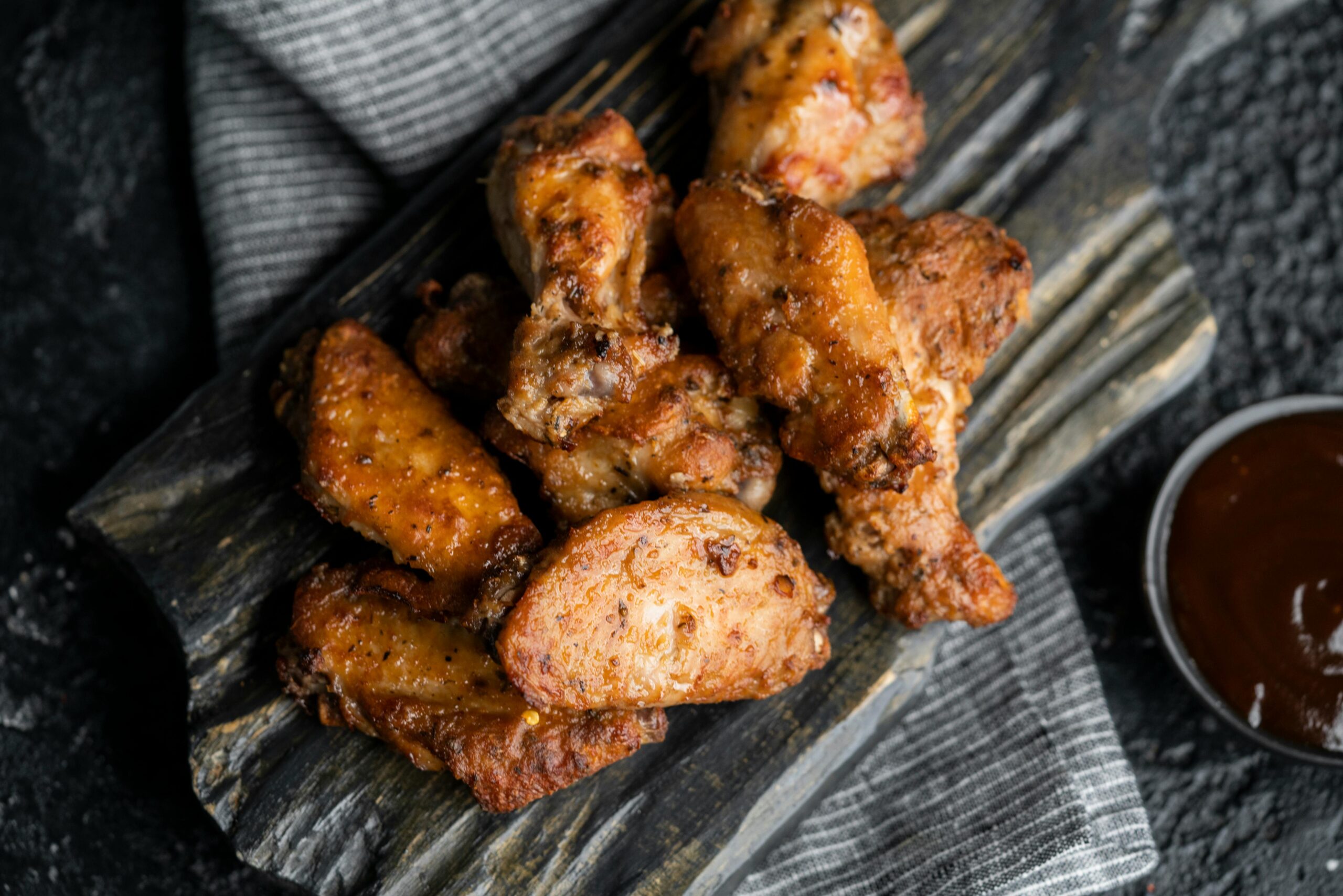
Wingstop Nutrition Guide: Benefits, Uses, and What You Need to Know
Understanding Wingstop’s Nutritional Landscape
Wingstop has become a popular destination for those craving chicken wings, but understanding the nutritional content of menu items is essential for making informed dietary decisions. Whether you're a regular customer or considering adding this restaurant to your dining rotation, knowing what you're consuming helps you align food choices with your health goals.
The nutritional profile of Wingstop's offerings varies considerably depending on preparation methods, sauce selection, and portion sizes. This guide provides comprehensive information to help you navigate the menu with confidence.
What Makes Wings a Dietary Consideration
Protein Content and Muscle Support
Chicken wings are primarily composed of protein, which plays a crucial role in maintaining muscle tissue, supporting immune function, and facilitating various bodily processes. A typical serving of wings contains substantial protein content, making them appealing for those seeking protein-rich foods. However, the total nutritional value depends heavily on how the wings are prepared.
Fat Composition and Caloric Density
Wings naturally contain fat, particularly in the skin. When wings are fried, the cooking process adds additional fat and calories. Understanding the difference between grilled and fried options becomes important when evaluating nutritional content. The type of fat consumed also matters, as both saturated and unsaturated fats play different roles in the body.
Talk to a Doctor
Get Answers to Your Health Questions
Connect with health professionals — anytime, from anywhere.
Talk to a Doctor
Get Answers to Your Health Questions
Connect with health professionals — anytime, from anywhere.
Navigating Wingstop Menu Options
Popular Menu Items and Their Nutritional Profile
Traditional Bone-In Wings
Bone-in wings at Wingstop typically range from 70 to 110 calories per piece, depending on the sauce. Lemon pepper, mild, and hot sauce options generally contain fewer calories compared to creamy or sweet options. A typical order of ten wings can exceed 700 to 1,000 calories when considering sauce and preparation method.
Boneless Wings and Tenders
These options often contain fewer calories per piece than bone-in wings, typically ranging from 50 to 80 calories per piece. However, boneless options may contain added breading and fillers, which some individuals prefer to avoid. Understanding ingredient composition helps align choices with personal dietary preferences.
Sauce Selection Impact
- Lemon pepper and garlic parmesan sauces tend to be lower in calories
- Teriyaki and Asian-inspired sauces may contain higher sugar content
- Creamy sauces like ranch or loaded feta ranch add significant calories and fat
- Spicy options such as atomic or blazing typically contain fewer calories
The sauce choice can add anywhere from 50 to 200+ calories to your order, making this selection crucial for calorie-conscious dining.
Supporting Components of Your Meal
Sides and Additional Considerations
Fries and Starches
Wingstop's fries are typically fried and seasoned, contributing significant calories and sodium. A regular order contains approximately 400 to 500 calories. For those monitoring sodium or calorie intake, considering portion size or requesting no salt options may be relevant.
Dips and Dressing Accompaniments
Blue cheese, ranch, and other dips add additional calories to your meal. A typical serving of dip contains 150 to 200 calories. Being mindful of dip consumption or requesting smaller portions supports better caloric control.
Making Informed Nutritional Choices
Strategies for Healthier Wingstop Dining
Prioritizing Preparation Methods
When available, choosing grilled wings over fried reduces caloric intake and fat consumption. However, grilled options may have different flavor profiles and texture. Understanding your preferences while considering nutritional goals helps make satisfying choices that align with your dietary needs.
Sauce Moderation Techniques
Requesting sauce on the side allows better control over consumption. Some individuals find they use less sauce when it's separate from the wings. This simple modification can reduce caloric intake by 100 to 200 calories per meal.
Portion Control Strategies
Ordering smaller quantities or sharing meals helps manage overall caloric intake. A six-wing order instead of ten can significantly reduce calorie consumption while still satisfying cravings. Many people find that enjoying wings mindfully in smaller portions provides greater satisfaction than consuming larger quantities hastily.
Beverage Considerations
Pairing wings with water, unsweetened tea, or other low-calorie beverages prevents additional caloric intake. Sugary drinks can add 200+ calories to a meal. Making intentional beverage choices supports overall nutritional goals effectively.
Nutritional Comparison with Other Proteins
How Wings Fit Into Broader Dietary Context
Chicken wings provide protein but contain more fat than skinless chicken breast. When compared to other restaurant proteins, wings fall in the moderate range for nutritional density. Understanding how wing consumption fits into your weekly dietary pattern helps maintain balanced nutrition.
Sodium Content Awareness
Wingstop wings and seasonings typically contain substantial sodium. A typical wing order can contain 1,500 to 2,500 milligrams of sodium, depending on sauce selection and quantity. Those monitoring sodium intake for health reasons should note this consideration and balance remaining daily intake accordingly.
Reading Nutritional Information Effectively
Using Available Resources
Wingstop provides nutritional information for menu items, accessible online and in restaurants. Taking time to review this information before ordering enables better decision-making. Checking calorie, fat, protein, and sodium content helps align choices with personal dietary goals.
Understanding Serving Sizes
Nutritional labels typically list information per piece or per serving. Calculating total intake for your intended order ensures accurate understanding of what you'll consume. This practice prevents underestimating caloric or sodium intake.
Incorporating Wings Into a Balanced Approach
Balanced Eating Strategies
Wings can fit into various dietary approaches when consumed thoughtfully. Pairing wings with vegetable-based sides when available, choosing water over sugary beverages, and moderating portion sizes supports balanced nutrition.
Frequency Considerations
Occasional wing consumption generally fits into most dietary patterns without concern. Those eating Wingstop regularly should pay closer attention to overall nutritional balance, ensuring sufficient vegetables, whole grains, and other food groups throughout their diet.
Conclusion
Understanding Wingstop's nutritional content empowers you to make choices aligned with your health objectives. Wings provide protein and satisfaction but contain notable amounts of fat, calories, and sodium depending on preparation and sauce selection. By reviewing nutritional information, selecting lower-calorie sauce options, moderating portions, and considering preparation methods, you can enjoy Wingstop meals while maintaining nutritional awareness. Making informed choices doesn't require eliminating favorite foods, but rather understanding what you're consuming and adjusting accordingly to support your overall wellness goals.
Reference
Kemmler W, Stengel S. (2011). The Intensity and Effects of Strength Training in the Elderly. Deutsches Ärzteblatt International, 108(21), 359-364. https://pmc.ncbi.nlm.nih.gov/articles/PMC3117172/