
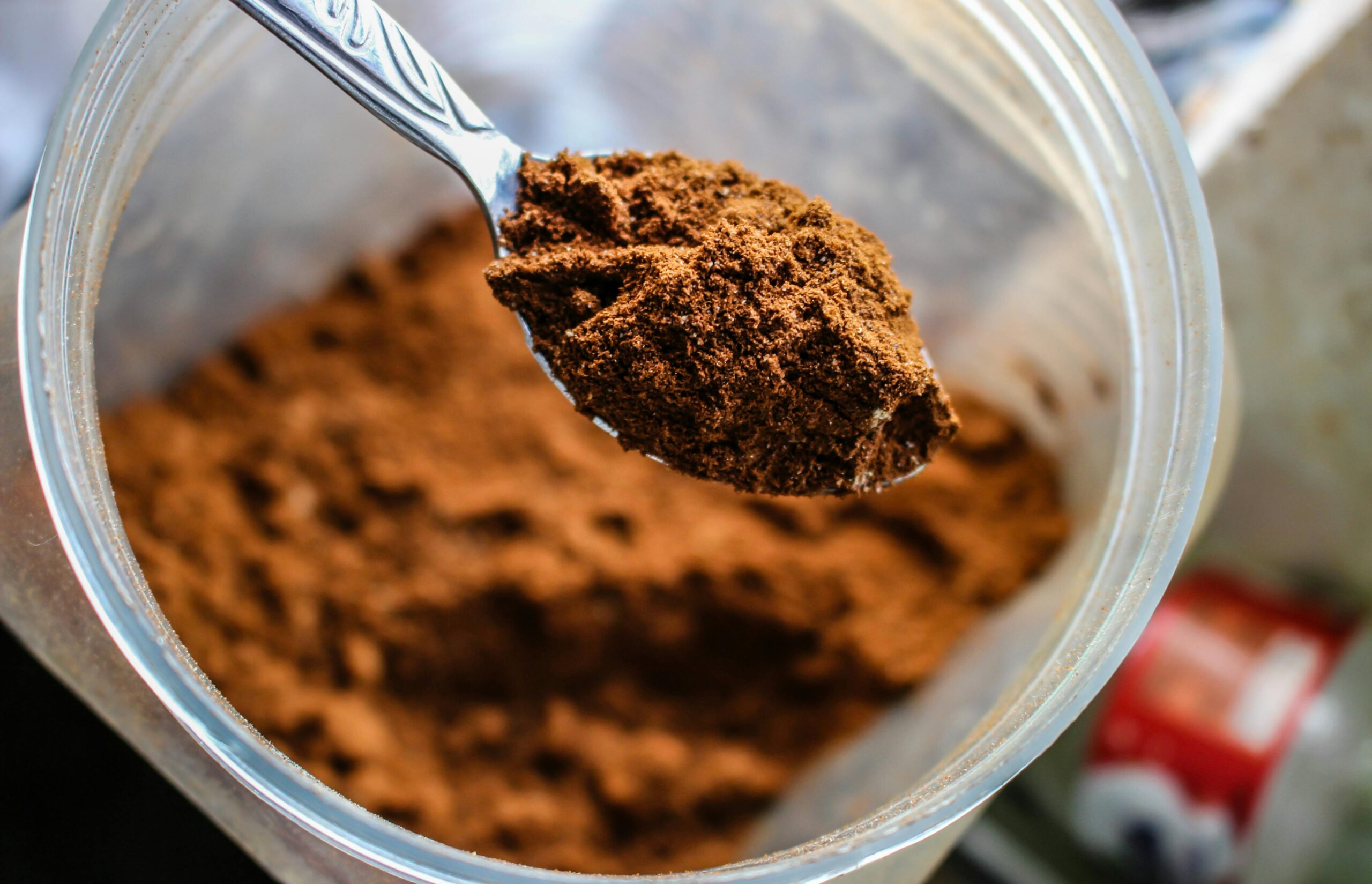
What Is Ryse Protein Powder? Benefits, Uses & What to Know
Understanding Ryse Protein Powder
Protein powders have become an integral component of modern fitness and nutrition strategies. Ryse protein powder represents one of the available options in the crowded market of nutritional supplements designed to support athletic performance and recovery. Understanding what this product offers, how it functions, and whether it aligns with your fitness objectives requires examining both its composition and practical applications.
Ryse protein powder is formulated as a post-workout nutritional supplement intended to support muscle protein synthesis and recovery following exercise. The product contains whey protein as its primary ingredient, alongside various micronutrients and flavor compounds. The formulation addresses the nutritional demands created by resistance training and high-intensity exercise.
Key Components and Composition
Whey Protein Isolate and Concentrate
The foundation of Ryse protein powder rests on whey protein, a complete protein containing all nine essential amino acids necessary for muscle repair and growth. Whey protein exists in two primary forms: isolate and concentrate. The isolate form undergoes additional processing to remove lactose and fat, resulting in higher protein concentration per serving. Concentrate forms retain more nutrients but contain slightly higher lactose levels.
Amino Acid Profile
The amino acid composition of whey protein makes it particularly valuable for post-exercise recovery. Leucine, one of the branched-chain amino acids, plays a crucial role in activating muscle protein synthesis. A single serving of quality whey protein typically delivers sufficient leucine to trigger this anabolic response when consumed following resistance training.
Additional Micronutrients
Beyond protein, Ryse protein powder includes vitamins and minerals that support overall metabolic function. These additions aim to complement the protein delivery with nutrients that facilitate recovery processes throughout the body.
Talk to a Doctor
Get Answers to Your Health Questions
Connect with health professionals — anytime, from anywhere.
Talk to a Doctor
Get Answers to Your Health Questions
Connect with health professionals — anytime, from anywhere.
Benefits for Fitness and Athletic Performance
Muscle Recovery and Adaptation
Resistance training creates micro-tears in muscle fibers. The recovery process requires adequate protein to repair these tissues and build them back stronger. Consuming protein powder within hours after exercise provides amino acids when muscle cells are primed to absorb them. This timing optimization enhances the efficiency of the recovery process.
Convenient Nutrient Delivery
One significant advantage of protein powder lies in its convenience factor. Preparing whole food protein sources requires time and planning. Protein powder dissolves quickly in water or milk, providing a complete amino acid profile in minutes. This accessibility encourages consistent consumption patterns, supporting steady progress toward fitness objectives.
Support for Strength Development
When combined with progressive resistance training, adequate protein intake supports the development of muscle strength and endurance. The consistent delivery of amino acids through supplementation helps maintain positive nitrogen balance, the biochemical state necessary for muscle tissue growth.
How to Incorporate Ryse Protein Powder Into Your Routine
Post-Workout Timing
The optimal time to consume protein powder is within one to two hours following resistance training. During this window, muscles exhibit heightened sensitivity to amino acids and increased capacity for protein synthesis. Mixing one scoop of protein powder with water or milk provides a quick recovery drink.
Daily Protein Requirements
Total daily protein intake matters more than any single serving. Most individuals engaged in regular resistance training benefit from consuming 0.7 to 1.0 grams of protein per pound of body weight daily. Ryse protein powder can contribute substantially toward meeting this goal, though whole food sources should remain primary.
Flexible Usage Options
- Meal replacement when whole food options are unavailable
- Breakfast smoothie component combined with fruits and oats
- Between-meal snack supporting consistent daily protein intake
- Ingredient in homemade protein-based recipes
Preparation Methods
Mixing protein powder with adequate liquid ensures smooth consistency and optimal absorption. Most individuals use either water, milk, or plant-based alternatives depending on personal preference and dietary considerations. Adding fresh fruit, nut butters, or oats creates more substantial meal replacements.
Practical Considerations for Users
Digestive Tolerance
Most people tolerate whey protein well, though some experience minor digestive discomfort. Gradually introducing protein powder allows your digestive system to adapt to increased protein intake. Consuming adequate water throughout the day supports digestion and nutrient absorption.
Quality and Consistency
Product quality varies across manufacturers. Selecting brands that undergo third-party testing provides assurance regarding ingredient accuracy and purity. Consistent daily use produces better results than sporadic consumption.
Cost-Effectiveness
Protein powder generally costs less per serving of protein than many whole food sources. This affordability makes it accessible for individuals managing nutrition on various budgets. A single container typically provides multiple servings, reducing waste compared to purchasing fresh protein sources.
Integration With Overall Fitness Strategy
Protein powder functions most effectively as part of a comprehensive approach to fitness. This includes progressive resistance training, adequate calorie intake, sufficient sleep, and stress management. No supplement replaces fundamental training principles or adequate whole food nutrition.
Individuals new to resistance training should prioritize learning proper exercise technique before investing heavily in supplements. As training progresses and consistency improves, protein supplementation can enhance results already being generated through disciplined training.
Important Considerations
Protein powder is not suitable for individuals with whey protein allergies or severe lactose intolerance, though lactose-free options exist. Always read ingredient labels carefully, particularly if you have known food sensitivities. Consulting with your healthcare provider before starting any new supplement regimen remains prudent, especially if you take medications or have existing health conditions.