
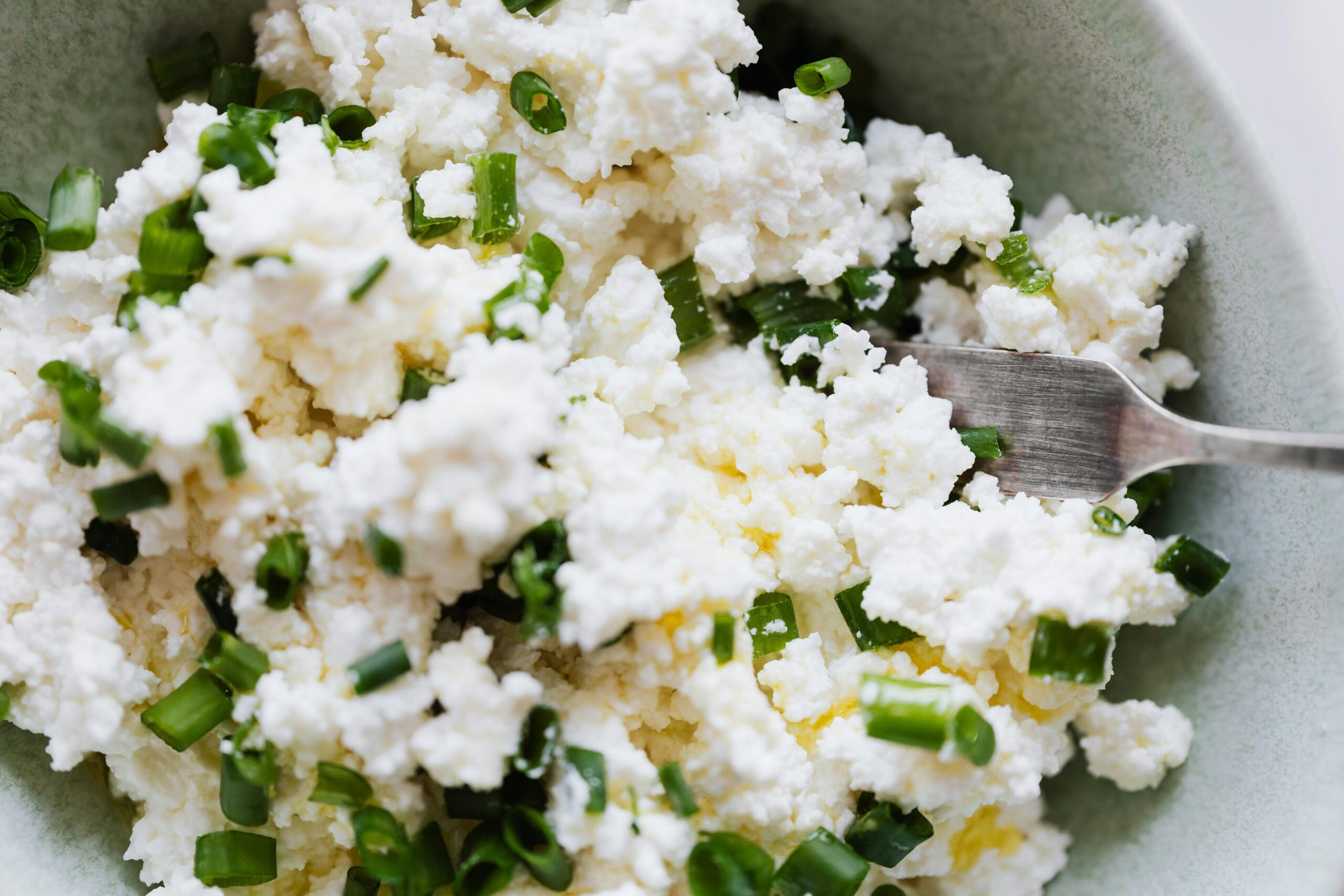
The Beginner’s Guide to Cottage Cheese Nutrition: Benefits and How to Add It to Your Diet
Cottage cheese has experienced a remarkable resurgence in popularity among people seeking nutritious, protein-rich foods. Whether you're looking to build muscle, manage weight, or simply improve your overall nutrition, understanding what cottage cheese offers can help you make informed dietary choices. This guide explores the nutritional profile of cottage cheese and practical ways to incorporate it into your wellness routine.
Understanding Cottage Cheese Nutrition
Cottage cheese stands apart from other dairy products due to its unique composition. A single cup of lowfat cottage cheese provides approximately 28 grams of protein, making it an excellent choice for those aiming to meet their daily protein requirements. Beyond protein, cottage cheese delivers substantial amounts of B vitamins, particularly B12 and selenium, which play crucial roles in energy metabolism and cellular function.
Macronutrient Breakdown
The macronutrient profile of cottage cheese varies based on fat content. A standard serving of lowfat cottage cheese contains around 160 calories, with minimal carbohydrates and moderate fat content. The protein density makes it particularly appealing for individuals focused on body composition and muscle maintenance. Unlike many processed foods, cottage cheese provides these nutrients without excessive added ingredients, making it a whole food option that fits naturally into balanced eating patterns.
Micronutrient Content
Beyond basic macronutrients, cottage cheese contains significant micronutrients that support various bodily functions. The selenium content supports thyroid health and acts as an antioxidant. B vitamins facilitate energy production and support nervous system function. Calcium, present in substantial quantities, contributes to bone health and muscular function. These micronutrients work synergistically to support overall wellness rather than functioning in isolation.
Key Health Benefits of Cottage Cheese
Protein Support for Muscle Health
Adequate protein intake becomes increasingly important for maintaining muscle mass throughout life. Cottage cheese provides a complete protein, containing all nine essential amino acids necessary for muscle synthesis and recovery. This makes it particularly valuable for individuals engaged in physical activity or those seeking to preserve muscle function during the aging process. The casein protein in cottage cheese digests slowly, providing sustained amino acid availability over extended periods.
Weight Management Support
The high protein content of cottage cheese creates sustained satiety, potentially reducing overall calorie intake when incorporated into meals. Protein requires more energy to digest than carbohydrates or fats, contributing to overall metabolic function. When included in a balanced diet, cottage cheese can support weight management goals by promoting fullness and reducing the temptation to overeat between meals.
Bone and Muscle Maintenance
The calcium and phosphorus combination in cottage cheese supports skeletal integrity and muscle function. These minerals work together to maintain bone density and strength. For individuals concerned with maintaining physical function and independence, regular consumption of nutrient-dense dairy products like cottage cheese provides foundational nutritional support.
Talk to a Doctor
Get Answers to Your Health Questions
Connect with health professionals — anytime, from anywhere.
Talk to a Doctor
Get Answers to Your Health Questions
Connect with health professionals — anytime, from anywhere.
Selecting Quality Cottage Cheese
Fat Content Options
- Full fat cottage cheese contains approximately 220 calories per cup with richer flavor and texture.
- Lowfat versions provide similar protein with fewer calories.
- Nonfat options deliver maximum protein with minimal fat.
Your choice depends on personal preferences and dietary goals rather than any singular "best" option.
Added Ingredients to Consider
Many commercial cottage cheese products contain added sugars, thickeners, or preservatives. Reading ingredient lists helps identify products with minimal additions. Some people prefer plain cottage cheese for maximum flexibility in how they prepare and consume it. Others find flavored varieties convenient for quick consumption. Both approaches offer nutritional value when chosen thoughtfully.
Practical Ways to Incorporate Cottage Cheese Into Your Diet
Breakfast Ideas
- Layer it with fresh berries, nuts, and a small amount of honey for a protein-rich morning meal.
- Blend cottage cheese into smoothies for added creaminess and protein without detecting dairy flavor, particularly appealing for those who might otherwise skip protein at breakfast.
Snack Options
- Pair it with apple slices, pineapple, or berries for a combination offering protein, carbohydrates, and micronutrients.
- For savory preferences, combine cottage cheese with vegetables, whole grain crackers, or seeds for satisfying snacks between main meals.
Meal Integration
- Use it as a ricotta substitute in pasta dishes, layering it with vegetables and whole grain noodles.
- Combine it with herbs and seasonings for a vegetable dip that provides nutritional benefits alongside flavor.
- Mix it into grain bowls with roasted vegetables and legumes for complete, protein-balanced meals.
Recipe Considerations
When cooking with cottage cheese, gentle heat application preserves its nutritional value. Adding it near the end of cooking or using it in no-cook applications maintains optimal nutrient density. Its mild flavor makes it adaptable to both sweet and savory preparations, offering flexibility for various meal preferences.
Cottage Cheese and Individual Dietary Needs
Lactose Considerations
Some individuals experience digestive discomfort with dairy products. Cottage cheese contains less lactose than milk due to its manufacturing process, making it more tolerable for some people. However, those with significant lactose sensitivity should monitor their response and adjust consumption accordingly.
Sodium Content Awareness
Commercial cottage cheese products vary in sodium levels. Individuals monitoring sodium intake should compare brands and consider rinsing cottage cheese if purchasing higher-sodium varieties. Many producers now offer reduced-sodium options, providing flexibility for those with specific dietary needs.
Building a Balanced Approach
Incorporating cottage cheese into a balanced diet means viewing it as one component of overall nutrition rather than a standalone solution. Pair it with whole grains, fresh vegetables, healthy fats, and other protein sources to create varied, interesting meals that support long-term wellness goals. Consistency matters more than perfection when building sustainable eating patterns.
Understanding cottage cheese nutrition empowers you to make decisions aligned with your personal health objectives. Its impressive protein content, micronutrient density, and versatility make it a practical addition to many eating patterns. Start with small amounts if new to cottage cheese, experiment with different preparations, and discover how this traditional food fits into your contemporary wellness routine.