
Mediterranean Diet Meals Explained: Benefits and How to Use It
Understanding the Mediterranean Diet
The Mediterranean diet represents one of the most researched and evidence-based dietary patterns available today. This eating approach draws inspiration from the traditional food cultures of countries bordering the Mediterranean Sea, including Greece, Italy, Spain, and Portugal. Rather than serving as a restrictive diet plan, it functions as a comprehensive lifestyle choice that emphasizes whole foods, minimal processing, and balanced nutrition.
The foundation of Mediterranean diet meals rests on simplicity and quality. The approach prioritizes natural, unprocessed ingredients prepared in ways that preserve their nutritional value. Unlike fad diets that restrict entire food groups, this dietary pattern incorporates a wide variety of foods, making it sustainable for long-term adoption.
Core Components of Mediterranean Diet Meals
Plant-Based Foods as the Foundation
Mediterranean diet meals center around plant-based ingredients. Vegetables, fruits, whole grains, legumes, and nuts form the nutritional backbone of this eating pattern. These foods provide essential vitamins, minerals, fiber, and phytonutrients that support overall health.
Key plant-based components include:
- Fresh vegetables: tomatoes, leafy greens, bell peppers, cucumbers, zucchini
- Whole grains: brown rice, quinoa, farro, whole wheat bread
- Legumes: lentils, chickpeas, beans
- Nuts and seeds: almonds, walnuts, olive seeds
- Fresh fruits: berries, apples, oranges, grapes
Healthy Fats and Oils
Olive oil serves as the primary fat source in Mediterranean diet meals. Rich in monounsaturated fatty acids and polyphenols, extra-virgin olive oil provides significant nutritional benefits. The diet encourages using olive oil for cooking, dressing salads, and flavoring dishes.
Fish and seafood appear regularly in this dietary pattern, typically 2-3 times weekly. These protein sources deliver omega-3 fatty acids, which support cardiovascular and cognitive function. Unlike red meat, which appears less frequently, fish provides lean protein with minimal saturated fat.
Moderate Protein Portions
Mediterranean diet meals include poultry, eggs, and dairy products in moderate amounts. Cheese and yogurt appear regularly but in smaller portions than typical Western diets. This approach provides complete proteins while keeping saturated fat intake reasonable.
Red meat consumption decreases significantly in Mediterranean eating patterns, appearing occasionally rather than at every meal. This adjustment aligns with both health recommendations and traditional Mediterranean food culture.
Talk to a Doctor
Get Answers to Your Health Questions
Connect with health professionals — anytime, from anywhere.
Talk to a Doctor
Get Answers to Your Health Questions
Connect with health professionals — anytime, from anywhere.
Health Benefits of Mediterranean Diet Meals
Cardiovascular Support
Research demonstrates that Mediterranean diet meals support heart health through multiple mechanisms. The high intake of fiber, potassium, and antioxidants from plant foods helps maintain healthy blood pressure and cholesterol levels. The emphasis on olive oil and fish provides beneficial fats that support arterial health.
The dietary pattern's anti-inflammatory properties stem from its abundance of fruits, vegetables, and whole grains. Chronic inflammation contributes to various health conditions, and this eating approach actively reduces inflammatory markers in the body.
Weight Management
Despite not being a calorie-restriction diet, Mediterranean diet meals often support healthy weight maintenance. The high fiber content from whole grains and vegetables promotes satiety, reducing overall calorie intake naturally. The inclusion of healthy fats from nuts and olive oil provides satisfaction that helps prevent overeating.
The emphasis on whole foods means meals contain fewer empty calories compared to processed alternatives. When people adopt Mediterranean eating patterns, they typically consume more nutritious food while eating fewer total calories.
Brain Function and Cognitive Health
The nutrients present in Mediterranean diet meals support brain health. Omega-3 fatty acids from fish, antioxidants from vegetables and fruits, and B vitamins from whole grains all contribute to cognitive function. The dietary pattern's anti-inflammatory effects may help protect neural tissue from age-related changes.
Metabolic Health
Mediterranean diet meals help maintain stable blood sugar levels through their emphasis on whole grains, legumes, and fiber. The complex carbohydrates digest slowly, preventing rapid blood sugar spikes. This steady energy level throughout the day supports consistent metabolic function.
Implementing Mediterranean Diet Meals in Daily Life
Building Your Meal Structure
Structure your meals around vegetables and whole grains. Fill half your plate with vegetables, one quarter with whole grains, and one quarter with protein. This proportioning ensures balanced nutrition and appropriate portion sizes.
Start with breakfast options like:
- Whole grain toast with olive oil and tomatoes
- Greek yogurt with berries and nuts
- Oatmeal with fresh fruit
Practical Meal Ideas
Mediterranean diet meals require minimal preparation. Consider these simple options:
- Grilled fish with roasted vegetables and brown rice
- Lentil and vegetable soup with whole grain bread
- Pasta with tomato sauce, spinach, and beans
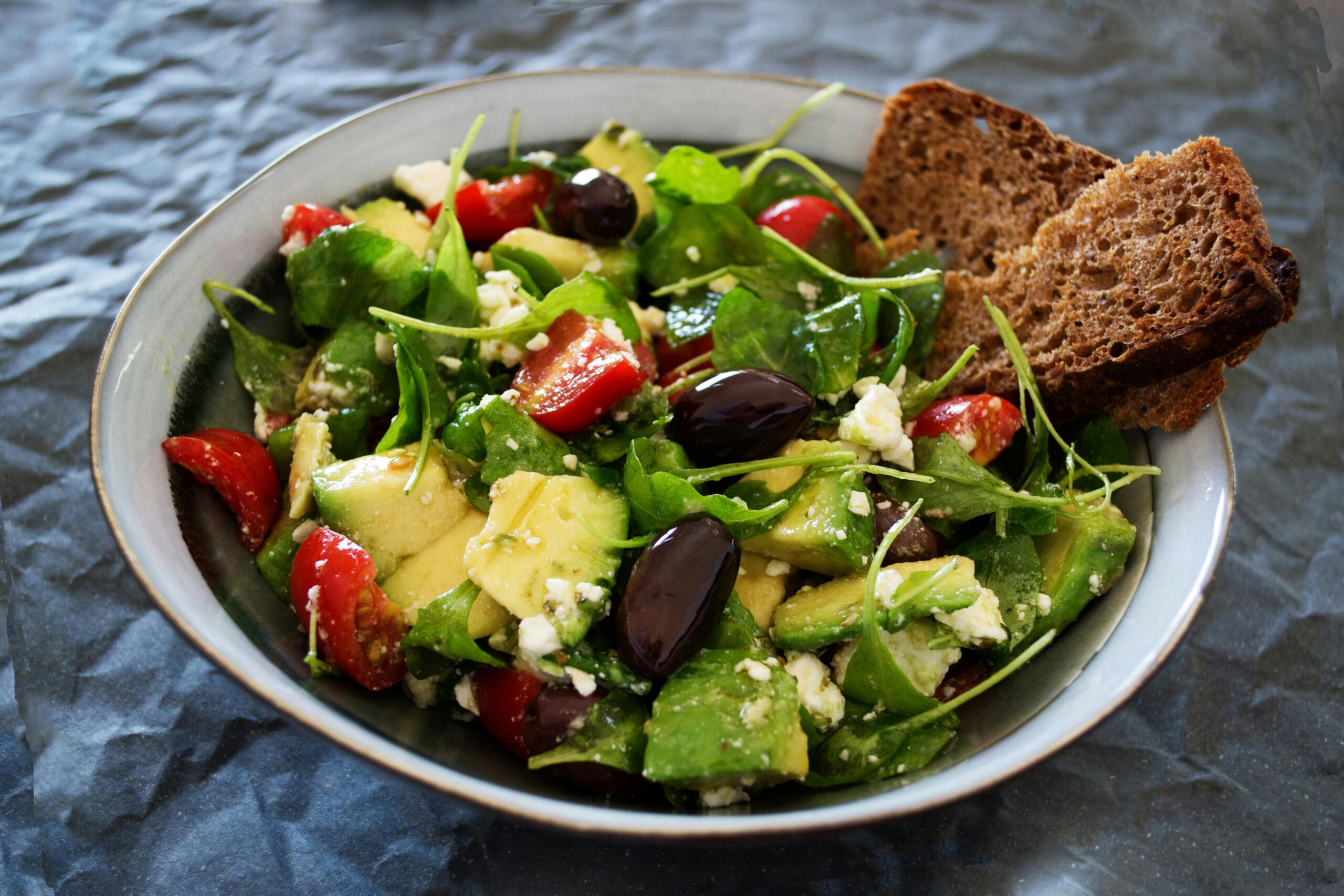
- Salads with mixed greens, chickpeas, olive oil dressing, and feta cheese
- Grilled chicken breast with Mediterranean herb seasoning and vegetable medley
Shopping and Preparation Tips
- Purchase seasonal produce when possible for better flavor and nutrient density
- Buy whole grains in bulk to reduce costs and ensure freshness
- Keep canned beans and tomatoes on hand for quick meal assembly
Prepare ingredients in advance by chopping vegetables and cooking grains at the beginning of the week. This preparation reduces barriers to healthy eating during busy weekdays.
Dining Out and Social Eating
Mediterranean diet meals align well with many restaurant cuisines. Greek, Italian, and Spanish restaurants naturally offer compatible meal options. Choose grilled fish, vegetable-based dishes, and olive oil preparations when dining out.
Social eating becomes easier because Mediterranean diet meals accommodate sharing and traditional food practices. The diet doesn't require avoiding restaurants or celebrations, making adherence more sustainable.
Making the Transition
Adopting Mediterranean diet meals doesn't require dramatic overnight changes.
- Gradually increase vegetable and whole grain intake
- Slowly reduce processed food consumption
- Replace butter with olive oil
- Choose fish instead of red meat more often
- Add more legumes to meals
Conclusion
Mediterranean diet meals represent a time-tested approach to nutrition that emphasizes whole foods, healthy fats, and plant-based ingredients. The extensive research supporting this dietary pattern demonstrates benefits for cardiovascular health, weight management, brain function, and metabolic health. By understanding the core components and implementing practical strategies, anyone can adopt this sustainable eating pattern that supports long-term health without requiring restriction or deprivation.