
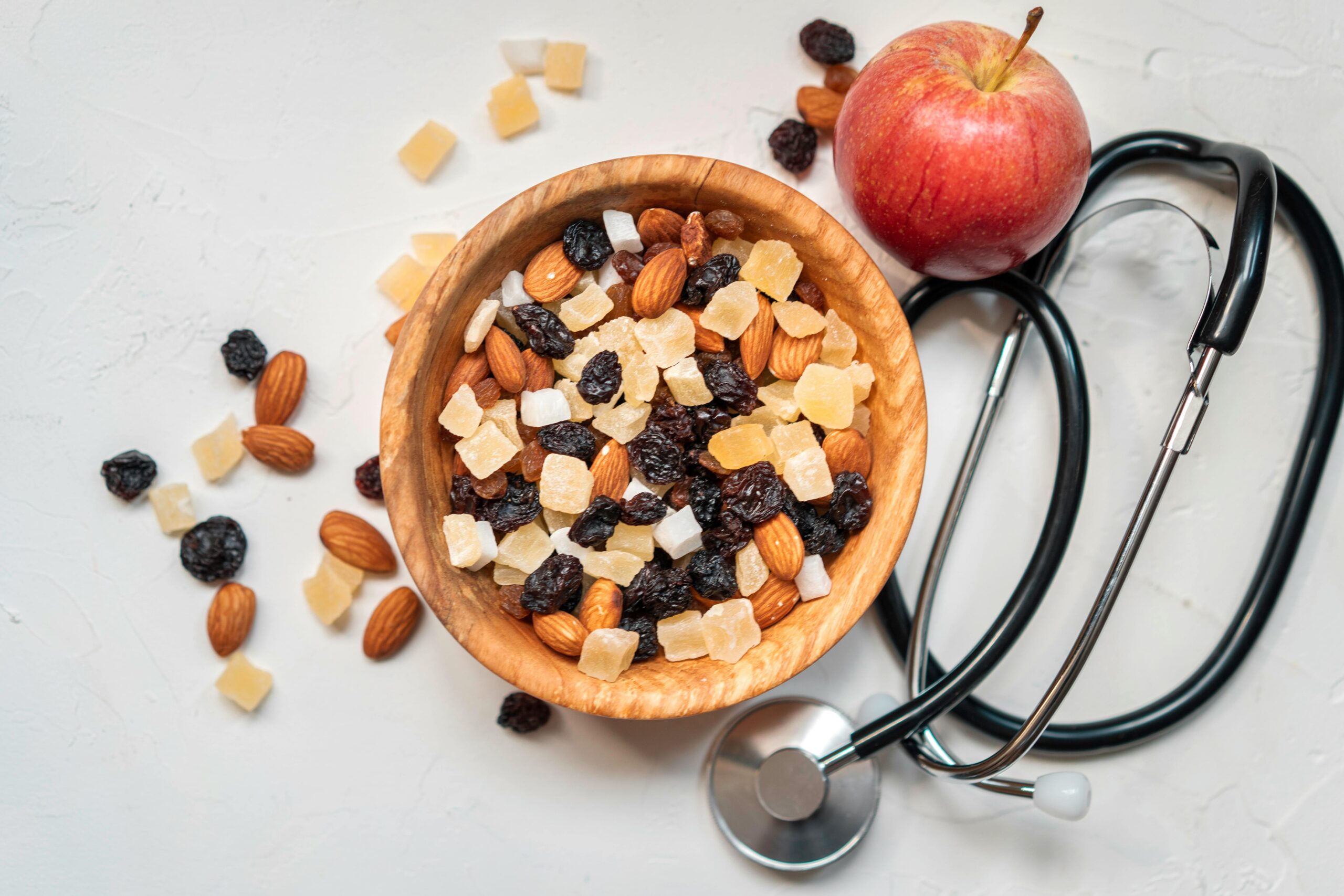
What Is a Heart Healthy Diet? Benefits, Uses & What to Know
Understanding Heart Healthy Eating
A heart healthy diet represents a comprehensive approach to nutrition focused on reducing cardiovascular disease risk and promoting optimal heart function. This dietary approach emphasizes whole foods, limits processed items, and prioritizes nutrients that support vascular health and blood pressure regulation. Understanding what constitutes heart healthy eating goes beyond simple food restrictions; it involves recognizing how different nutrients interact with your cardiovascular system over time.
The foundation of heart healthy eating rests on evidence-based nutritional science. Research demonstrates that dietary choices significantly influence cholesterol levels, blood pressure, inflammation markers, and overall cardiovascular function. Rather than following restrictive fad diets, a heart healthy approach provides sustainable eating patterns that nourish your body while protecting your cardiovascular system.
Key Components of a Heart Healthy Diet
Foods to Emphasize
- Fatty Fish: Cold-water fish like salmon, mackerel, and sardines contain omega-3 fatty acids that support heart function and help reduce triglycerides. Including fish twice weekly provides meaningful cardiovascular protection.
- Whole Grains: Oats, brown rice, whole wheat bread, and quinoa contain fiber that helps manage cholesterol levels. The soluble fiber in these foods binds to cholesterol compounds, facilitating their elimination.
- Vegetables and Fruits: Colorful produce delivers antioxidants, potassium, and fiber. Leafy greens, berries, citrus fruits, and cruciferous vegetables offer diverse phytonutrients that support vascular health.
- Legumes: Beans, lentils, and peas provide plant-based protein, fiber, and minerals without saturated fat. These foods help maintain steady blood sugar levels and support cholesterol management.
- Nuts and Seeds: Almonds, walnuts, and flaxseeds contain heart-protective monounsaturated fats and fiber. A small handful daily provides beneficial nutrients without excessive calories.
- Low-Fat Dairy: Greek yogurt and low-fat milk deliver calcium and protein while minimizing saturated fat intake.
Foods to Limit
- Saturated fats from fatty meats and full-fat dairy products
- Trans fats found in processed foods and some baked goods
- Sodium from processed foods and added salt
- Added sugars in beverages, desserts, and sweetened snacks
- Refined carbohydrates that spike blood sugar levels
Talk to a Doctor
Get Answers to Your Health Questions
Connect with health professionals — anytime, from anywhere.
Talk to a Doctor
Get Answers to Your Health Questions
Connect with health professionals — anytime, from anywhere.
Primary Benefits of Heart Healthy Eating
Blood Pressure Management
A heart healthy diet naturally reduces sodium intake while increasing potassium consumption. Potassium helps balance fluid levels and reduces arterial tension, supporting healthy blood pressure ranges. Foods rich in potassium include bananas, sweet potatoes, and spinach.
Cholesterol Improvement
Dietary choices directly influence cholesterol profiles. Soluble fiber from oats and beans reduces LDL cholesterol, while omega-3 fatty acids help raise protective HDL cholesterol. This two-pronged approach addresses multiple cholesterol markers simultaneously.
Reduced Inflammation
Chronic inflammation damages arterial walls and increases cardiovascular disease risk. Heart healthy diets emphasize anti-inflammatory foods like fatty fish, berries, and leafy greens that naturally reduce inflammatory markers in your bloodstream.
Weight Management Support
Heart healthy eating patterns naturally support healthy weight maintenance through increased fiber intake and reduced calorie-dense processed foods. Maintaining healthy weight reduces strain on your cardiovascular system.
Improved Vascular Function
The nutrients in heart healthy foods support endothelial function, which involves the thin layer of cells lining blood vessels. Improved endothelial function enhances blood flow efficiency and reduces cardiovascular disease risk.
Practical Applications for Daily Life
Building Balanced Meals
Structure meals around a foundation of vegetables, whole grains, and lean proteins. Fill half your plate with vegetables and fruits, one quarter with whole grains, and one quarter with protein sources. This visual approach ensures nutrient balance without complicated calculations.
Smart Cooking Methods
Preparation methods significantly impact heart health benefits. Baking, steaming, grilling, and sauteing with minimal oil preserve nutrients better than deep frying. Using herbs and spices instead of salt adds flavor while protecting cardiovascular health.
Label Reading Skills
Understanding nutrition labels helps identify hidden sodium, saturated fats, and added sugars. Compare products and select options with lower sodium content and minimal added sugars. Check ingredient lists for whole grains listed as primary ingredients.
Portion Control Awareness
Even heart healthy foods require appropriate portions. Using smaller plates, measuring portions initially, and eating slowly allow your body's fullness signals to register properly.
Dietary Guidelines Framework
- Consuming at least 2.5 cups of vegetables daily
- Including whole grains for half of grain consumption
- Eating fish rich in omega-3 fatty acids twice weekly
- Limiting sodium to 2,300 milligrams daily or less
- Restricting added sugars to less than 10 percent of daily calories
- Limiting saturated fat to less than 7 percent of daily calories
Implementation Strategies
Gradual Dietary Transitions
Rather than overhauling your diet overnight, make incremental changes. Replace one refined grain with whole grain options, add one additional vegetable to meals, or swap one sugary beverage for water. Small changes compound into significant health improvements over months and years.
Meal Planning Benefits
Planning meals weekly prevents impulse purchases of less healthy options. Creating shopping lists based on meal plans ensures your kitchen contains heart healthy ingredients and reduces food waste.
Restaurant Navigation
When dining out, request grilled rather than fried preparations, ask for dressings on the side, and choose vegetable sides instead of french fries. Many restaurants accommodate special requests when asked politely.
Understanding Individual Variations
Heart healthy eating principles apply broadly, but individual needs vary based on age, activity level, medical history, and food preferences. Some individuals may benefit from additional sodium restriction, while others need specific nutrient adjustments. Working with qualified nutrition professionals helps personalize approaches to meet individual circumstances.
Conclusion
A heart healthy diet represents an investment in long-term cardiovascular wellness. By emphasizing whole foods, limiting processed items, and understanding how nutrients support heart function, you create eating patterns that protect your cardiovascular system. The benefits extend beyond heart health alone, as these dietary approaches support overall wellness, weight management, and disease prevention. Starting today with simple changes positions you for sustained cardiovascular health throughout your lifetime.